

Saving money is not just about cutting costs. It is about building habits that create financial stability, reduce stress, and give you more control over your future. Whether you are saving for a big goal or simply trying to manage your expenses better, smart money moves can make a significant difference. The good news is that you do not need a complicated financial plan to get started. You only need awareness, consistency, and a willingness to make small changes that lead to long-term rewards.
Here are practical steps to help you save more and make wiser financial decisions.
Understand Where Your Money Goes

A strong financial foundation begins with awareness. Start by tracking your expenses for a month. You may be surprised to see how much goes toward non-essential purchases. Categorizing your spending helps you understand patterns and identify areas that need adjustment.
This simple step gives you clarity and empowers you to take control of your finances more thoughtfully.
Build a Budget That Works for You

A budget is not a punishment; it is a guide. A realistic budget should reflect your lifestyle, goals, and priorities. Divide your income into categories such as savings, bills, groceries, leisure, and unforeseen needs.
The key is consistency. Review your budget regularly and adjust when necessary. When you know where your money should go, it becomes easier to stay disciplined.
Establish an Emergency Fund

Life is unpredictable, and having an emergency fund is one of the smartest financial protections you can create. Even saving a small amount each month can add up and give you security during unexpected events such as medical expenses, job changes, or urgent repairs.
Experts often recommend saving at least three to six months’ worth of essential expenses, but starting small is perfectly fine. What matters is building a safety net that supports you when you need it most.
Cut Costs Without Cutting Your Joy

Saving money does not mean eliminating everything you enjoy. Instead, look for creative ways to reduce unnecessary spending. Consider cooking at home more often, reviewing subscription services you no longer use, or waiting 24 hours before making non-essential purchases.
These small adjustments can free up extra money each month without making you feel deprived or restricted.
Automate Your Savings
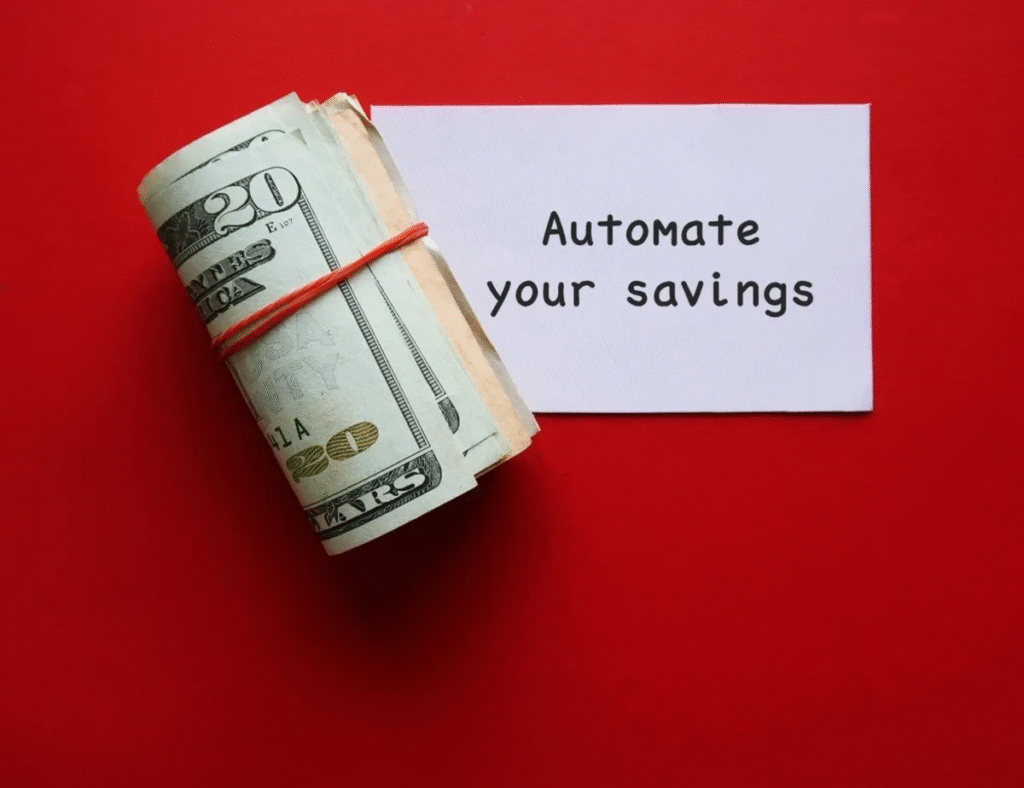
Automation is one of the simplest ways to stay committed to your goals. Set up automatic transfers to your savings account right after payday. Treat savings like any other mandatory bill.
When money goes directly into savings without you having to think about it, you build discipline effortlessly.
Make Use of Offers and Discounts Wisely

Using discounts, cashback apps, reward points, and coupon codes can help lower expenses on groceries, travel, or clothing. The key is to use these tools mindfully. Only buy things you truly need, even if the deals seem attractive.
Smart spending is about balancing value with necessity.
Invest in Your Future

Saving is only the beginning. Investing your money allows it to grow over time. Explore options such as mutual funds, fixed deposits, retirement accounts, or other long-term instruments. The earlier you start, the more your money can benefit from compounding.
You do not need large amounts to begin. Start small, stay informed, and build confidence as you learn more about investment opportunities.
Final Thought
Smart money moves are built on thoughtful choices rather than drastic changes. By tracking spending, budgeting wisely, building an emergency fund, and investing in your future, you create a healthier financial life. These steps help you save more, reduce stress, and build stability for the years ahead. What matters most is starting now and staying consistent.
Disclaimer: This blog is for informational purposes only and should not be considered financial advice. Please consult a certified financial planner or advisor before making significant financial decisions or investments.
#SmartMoneyMoves #FinancialWellness #SaveMore #BudgetingTips #MoneyManagement #FinancialGoals #WealthBuilding #SmartSpending #Anslation #Carrerbook