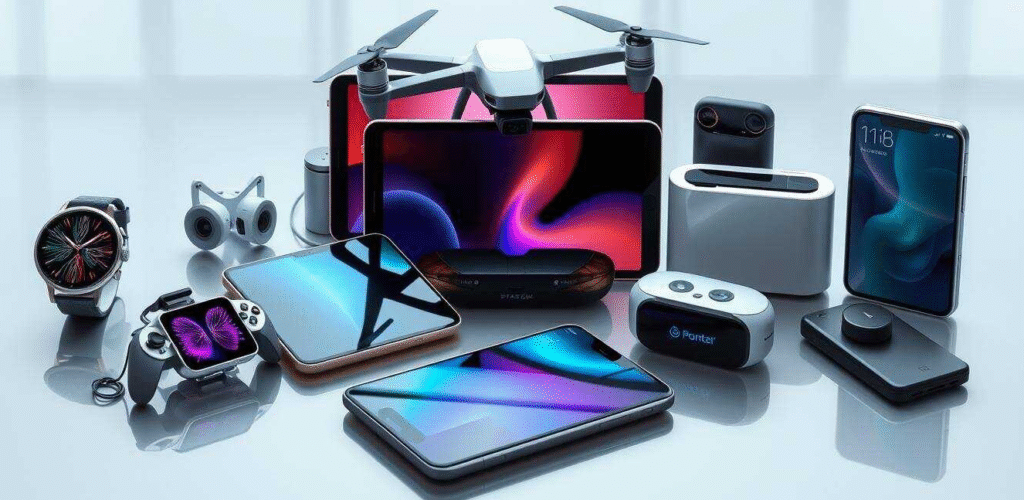
Technology is moving incredibly fast, completely rewriting how we manage our daily routines, stay productive, and unwind. In 2026, the consumer tech space is defined by products that successfully bridge the gap between artificial intelligence, tactile hardware design, and genuine convenience.
The Rise of Artificial Intelligence in Consumer Gadgets
Artificial intelligence has evolved past basic voice commands and cloud processing. Today, we are witnessing the dominance of Edge AI, meaning devices carry dedicated neural processing units (NPUs) that handle data directly on the hardware without relying constantly on a steady internet connection.
- Proactive Personalization: Smartphones and wearable tech now observe and adapt to individual habits locally, managing battery life, optimizing background apps, and automating routines without compromising user privacy.
- Conversational Interfaces: Smart home hubs and smart assistant systems have largely dropped the rigid, pre-scripted phrases of the past. They can now parse contextually complex, multi-step spoken instructions seamlessly.
Next-Generation Smartphones Leading the Market

Even as alternative form factors emerge, the smartphone remains the absolute anchor of our modern digital life. The focus this year is centered squarely around physical and visual flexibility alongside computational imaging.
Even as alternative form factors emerge, the smartphone remains the absolute anchor of our modern digital life. The focus this year is centered squarely around physical and visual flexibility alongside computational imaging.
AI-Enhanced Photography
Camera setups rely heavily on real-time lighting adjustment, instantaneous semantic segmentation, and predictive focus tracking. This allows everyday users to capture cinema-grade video and pristine photographs in traditionally difficult lighting conditions with zero manual fine-tuning.
Mainstream Foldable Displays
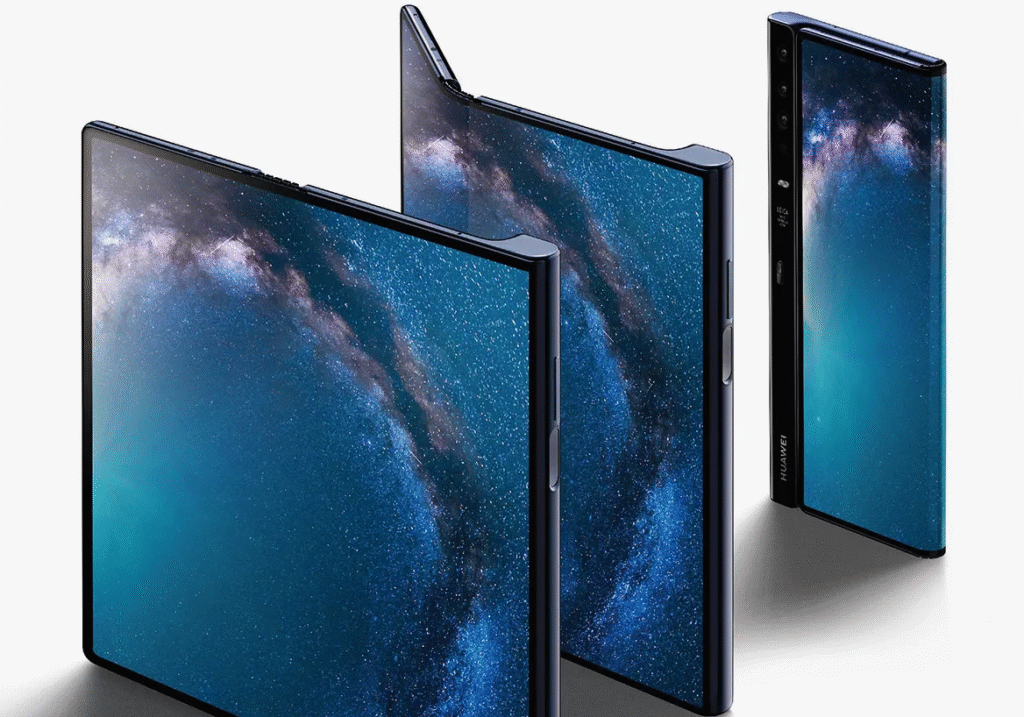
Foldables have firmly moved into their mature, ultra-durable phase. The early issues regarding screen creases and fragile hinges have been thoroughly engineered away, with modern hinges easily clear of a 200,000-fold life cycle. They offer the portability of a standard device with the instant productivity boost of a pocket-sized tablet canvas.
Smartwatches Becoming Essential Everyday Devices
Modern smartwatches have expanded far beyond simple fitness trackers or notification repeaters. They now operate as highly sophisticated health monitors and fully functional secondary communication tools.
- Deep Biological Insights: Beyond monitoring heart rate and steps, current smartwatches track intricate health metrics like heart rate variability (HRV), skin temperature shifts, accurate sleep cycles, and physical stress levels.
- True Phone Independence: Thanks to robust cellular integration, built-in offline mapping, and secure tap-to-pay infrastructure, users can confidently leave their phones at home while exercising, commuting, or running quick errands.
Wireless Earbuds Redefining Audio Experiences

The wireless audio category continues to grow rapidly, transitioning earbuds from simple audio accessories to highly productive work companions.
Key Innovation: High-performance wireless audio models now offer specialized onboard AI chips. These chips power adaptive active noise cancellation (ANC) that actively balances external sound layers depending on your real-world surroundings.
Furthermore, several flagship earbud charging cases now feature high-resolution touchscreens, allowing users to tweak equalizer settings, switch audio profiles, or even initiate local audio recording and live transcriptions without needing to pull out a smartphone.
Smart Home Technology Continues to Expand
The connected home concept has dropped its premium price barrier, becoming accessible, affordable, and incredibly easy for renters and homeowners to configure.
- Integrated Security: High-definition smart cameras and video doorbells utilize facial and pet detection software to deliver real-time, accurate alerts rather than annoying false alarms triggered by a passing car or a gust of wind.
- Energy and Lighting Automation: Automated climate controllers and smart lighting grids sync with personal routines and real-time electricity rates to dramatically lower utility bills while maintaining ideal indoor comfort levels.
Portable Gaming Devices Making a Comeback
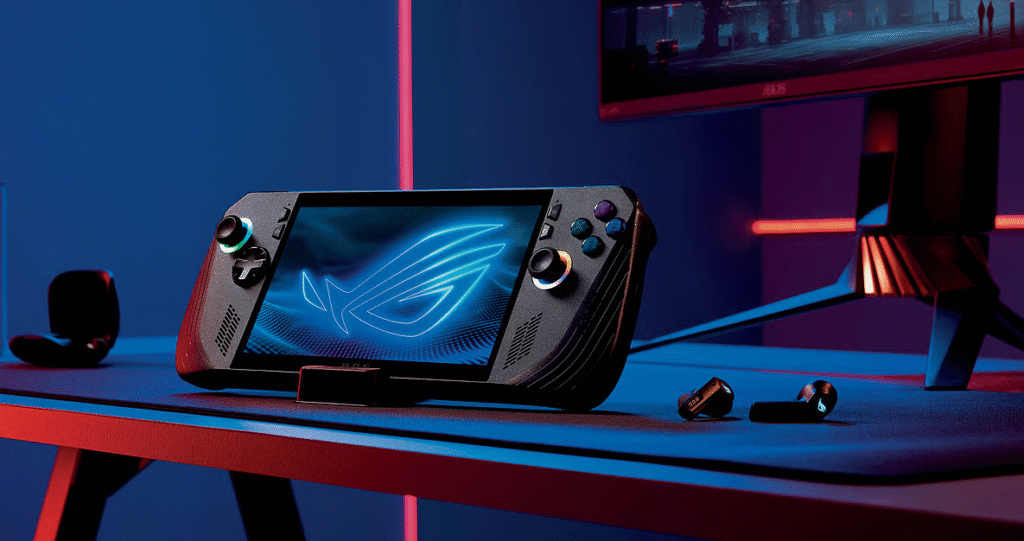
Handheld gaming is enjoying a massive resurgence, completely redefining where and how people play complex, high-fidelity games.
Modern portable gaming systems squeeze console-grade processing power directly into ergonomic mobile chassis. When paired with mature cloud gaming infrastructure, these compact systems grant players instant access to massive PC and console libraries anywhere with a decent wireless signal. Gamers no longer need to be anchored to a heavy desk or a living room television to experience premium gameplay.
Tablets Becoming Productivity Powerhouses
Tablets are no longer just passive screens used for scrolling social media or streaming video. Equipped with desktop-class architecture, incredible color accuracy, and highly responsive stylus accessories, they have taken over work environments traditionally reserved for bulky laptops.
Digital illustrators, videographers, students, and remote professionals are utilizing multi-window multitasking systems to turn their tablets into lightweight, highly mobile workstations that adapt perfectly to coffee shops, airplanes, or traditional office settings.
Smart Fitness Gadgets Gaining Popularity
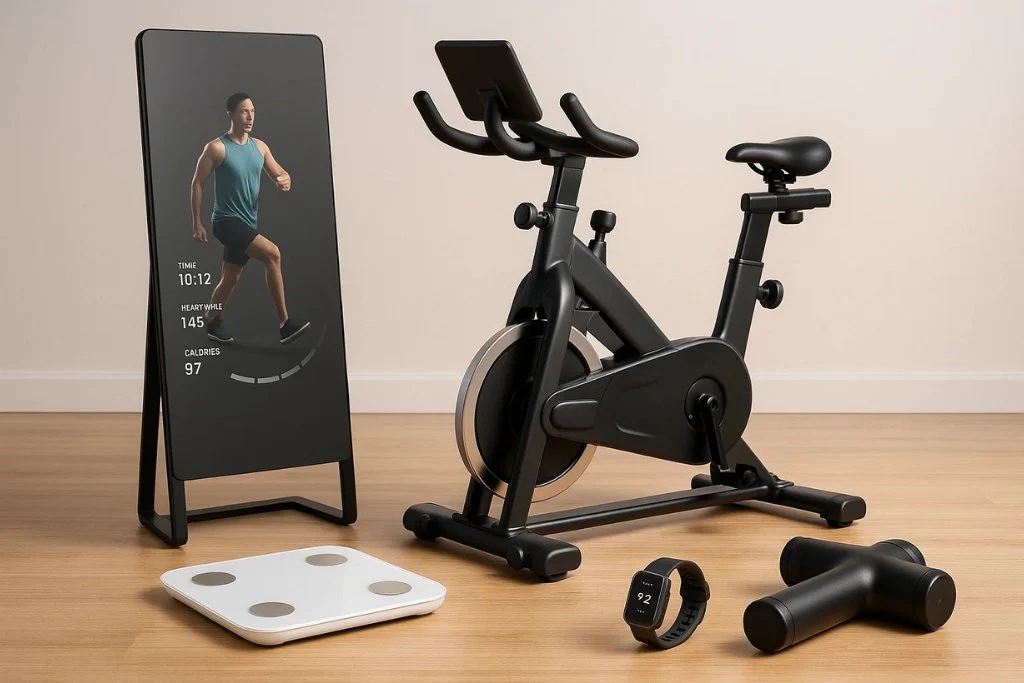
A heightened focus on personal wellness is driving widespread interest in targeted fitness hardware. Consumers want highly precise, actionable metrics to hit their physical goals.
- Low-Profile Screenless Wearables: Devices like smart rings have become incredibly popular for those who want round-the-clock biometrics, like overnight sleep stages and recovery metrics, without wearing a bulky screen on their wrist.
- Connected Gym Hardware: Indoor exercise bikes, interactive treadmills, and digital strength-training setups now feature virtual coaching modules that provide immediate structural form corrections and dynamically alter resistance to match individual performance.
Innovative Laptop Technology Transforming Work and Study
Laptops continue to be the primary workspace for serious creators, students, and professionals, with recent design breakthroughs emphasizing extreme battery efficiency and localized machine learning capability.
Modern ultrabooks effortlessly handle an entire eight-to-ten-hour workday of heavy processing on a single charge. Security has also taken a major leap forward, utilizing hardware-isolated biometric sensors and instantaneous facial recognition to lock down sensitive files while giving the device owner frictionless access.
Emerging Technologies Shaping the Future

Looking slightly further down the line, a handful of fascinating technologies are transitioning from experimental concepts into highly practical daily consumer goods.
- Augmented Reality and Smart Glasses: Light, fashionable smart glasses are gaining serious traction, introducing crisp heads-up displays for turn-by-turn navigation, instant translation overlays, and notifications mixed cleanly into the wearer’s field of vision.
- Sustainable and Circular Design: Consumers are expecting better environmental accountability. More manufacturers are shifting toward hardware utilizing post-consumer recycled metals, modular internal designs with user-replaceable batteries, and highly efficient power usage structures.
What Consumers Should Consider Before Buying New Tech Gadgets
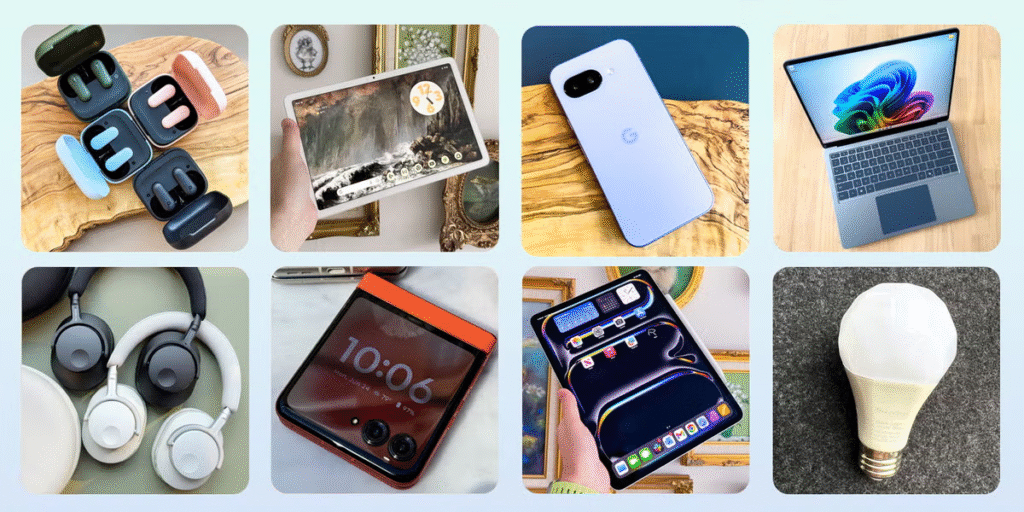
With an overwhelming amount of high-tech gear hit store shelves, making a smart purchasing choice requires a deliberate focus on real-world utility over marketing hype.
| Factor to Consider | Why It Matters |
|---|---|
| Ecosystem Compatibility | A device is only as good as its ability to easily pass data, audio, and controls over to your current phone, laptop, or smart home setup. |
| Software Support Lifespan | Look for manufacturers providing multiple years of guaranteed security patches and feature updates to protect your financial investment. |
| Battery and Build Durability | Prioritize items built with robust materials, official water resistance ratings, and fast-charging capabilities that suit your travel habits. |
Focus on identifying the precise problems you need to solve. Evaluating long-term value, reading authentic user reviews, and ensuring a smooth fit into your current routine will lead to a far more satisfying investment.
Frequently Asked Questions
1.What are the most popular tech gadgets in 2026?
The current trending market is dominated by edge-AI smartphones, highly compact smart rings, noise-canceling earbuds with interactive smart cases, handheld gaming consoles, and augmented reality smart glasses.
2.Why are smartwatches becoming so popular?
They have moved beyond basic notification centers to act as autonomous lifestyle tools, providing comprehensive recovery metrics, phone-free cellular communication, and integrated contactless payments.
3.Are foldable smartphones worth buying?
Yes. Modern manufacturing processes have successfully resolved early durability concerns regarding screen creases and hinge degradation, turning foldables into highly practical, multi-functional tools for power users.
4.What should I consider before purchasing a new gadget?
Prioritize how well the new item links with your existing hardware ecosystem, look into the manufacturer’s long-term software update policy, and choose devices with battery lives that accommodate your typical daily schedule.
5.How is artificial intelligence improving tech gadgets?
On-device Edge AI handles data processing locally, resulting in instantaneous voice recognition, automated device optimization, dramatically improved low-light camera processing, and superior data privacy.
6.Which smart home gadgets are trending right now?
Smart security setups with local AI visual sorting, conversational voice hubs, and automated, energy-saving smart thermostats are currently leading consumer interest.