Social media loves to tell a specific story about travel. Our feeds are constantly flooded with pictures of people lounging at exclusive resorts, flying in premium cabins, and posing on empty, pristine beaches. It makes seeing the world look like an elite club meant only for the wealthy.
But let’s be real: that isn’t travel. That’s just a luxury vacation.
True travel is about stepping into a reality completely different from your own, tasting street food that blows your mind, and getting lost in neighborhoods that have real character. You do not need a massive bank account to do that. When you strip away the pressure to show off, adventure becomes incredibly accessible.
Shifting Your Perspective

When you stop treating a trip like a status symbol and start treating it as an adventure, your options blow wide open.
- The Luxury Trap: Spending a fortune often just insulates you from the actual culture you came to see.
- The Traveler’s Reality: The most powerful memories usually happen in the free or cheap moments—a conversation with a local coffee vendor, a sunset from a public hill, or a long walk through a residential neighborhood.
Before You Go: Gaming the System
Settle for the “Shoulder Season”
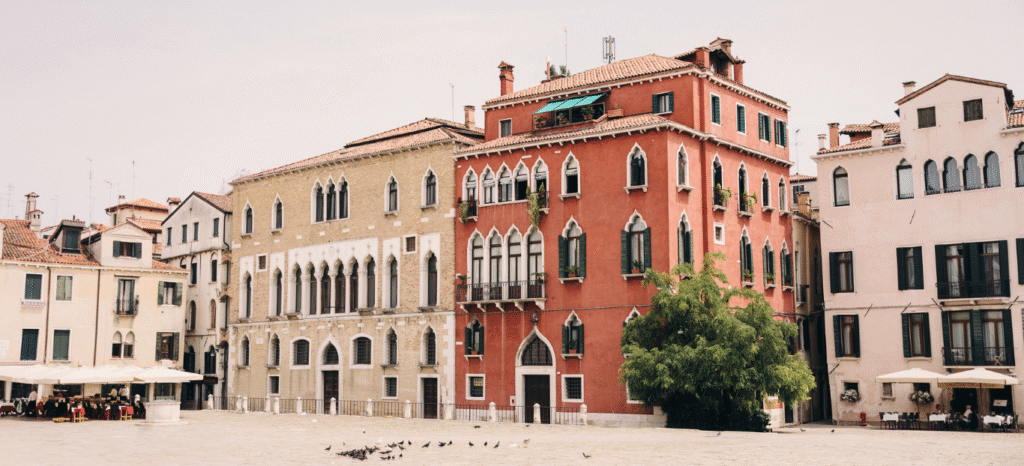
The easiest way to skyrocket the cost of your trip is to go exactly when everyone else is going. Avoid the major holidays and summer breaks when airlines and hotels hike their prices simply because they can. Aim for the sweet spots right before or after the peak rush. The weather is often just as beautiful, the crowds are gone, and prices drop significantly just to fill empty rooms.
Let the Deal Choose the Destination
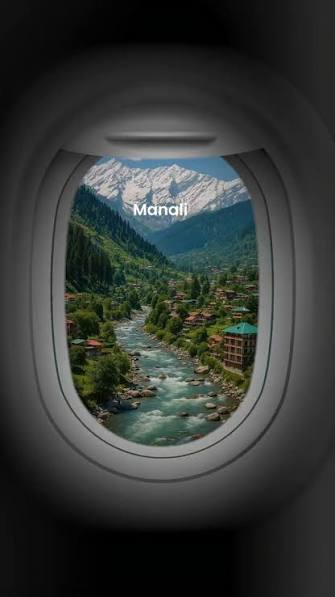
Most people pick a specific city, a specific date, and then get frustrated when the tickets cost a fortune. Flip the script. Open a flight search engine, look at a map of cheap departures, and let the lowest fare dictate where you go next. Being flexible with your destination opens doors to magical places you might have never considered.
Pack Light (The Ultimate Freedom)
Airlines have turned baggage fees into an art form. Overpacking is essentially a self-imposed tax. Keeping your belongings confined to a single carry-on bag saves you money at check-in, keeps your gear from getting lost, and makes you incredibly agile when navigating a new place.
On the Ground: Living Like a Local
[ Tourist Trap Cafe ] ───> Expensive, Bland, Standard English Menu
[ Neighborhood Market ] ──> Cheap, Authentic, Packed with Locals
Sleep Where the Character Is

Giant corporate hotel chains look exactly the same whether you are in Paris or Tokyo. They are predictable, sterile, and expensive. Look instead for family-run guesthouses, local apartment rentals, or boutique hostels. Staying even a few transit stops outside the main tourist plaza cuts your lodging costs drastically and gives you a truer sense of the city.
Eat Where the Lines Are Long
If a restaurant has menus translated into multiple languages with glossy photos of the food out front, walk away. You are paying a premium for mediocre food tailored to tourists. Find the crowded night markets, the hole-in-the-wall spots, and the family kitchens where locals are standing in line. It is cheaper, fresher, and where the real flavor lives.

Ditch the Taxis

Private rides and taxis will drain your daily funds faster than almost anything else. Most major cities have public transit systems that are cheap and efficient. Taking the local train or bus isn’t just a way to save money—it gives you a front-row seat to the daily rhythm of the people who live there.
A Simple Rule: If a destination is safe and walkable, explore it on foot. Walking is the only way to stumble upon the hidden cafes, street art, and quiet alleys that make a trip truly unforgettable.
The Art of Slowing Down

Quality Over Quantity
Stop trying to sprint through a massive checklist of cities in a short amount of time. You end up spending your entire vacation in transit hubs, packing and unpacking, and throwing cash at train and plane tickets. Pick a single place and stay there. Renting a spot for a longer period often gets you better rates, and it allows you to actually become a temporary regular at the local coffee shop.
Value Experiences, Not Stuff
Nobody back home needs another cheap plastic souvenir or an oversized postcard that will end up in a drawer. Skip the shopping sprees. Spend that money instead on a local cooking class, a ticket to a regional museum, or a unique outdoor excursion. Your photos, your journals, and the stories you tell are the only keepsakes that actually matter.
Making Adventure a Habit
Travel becomes a realistic part of your life when you treat it as a priority rather than an occasional miracle. Setting aside a small, consistent portion of your income specifically for an adventure fund makes spontaneous opportunities easy to seize.
Budget travel isn’t about deprivation or being miserable just to save a penny. It’s about being intentional. It is about saving money on the boring, corporate stuff so you have the freedom to spend it on the unforgettable experiences. Stop waiting for the perfect financial moment—pack less, stay flexible, and go see the world.



Frequently Asked Questions
1.How can I travel more on a limited budget?
Plan ahead, travel during off-peak seasons, find affordable accommodations, and track travel deals regularly.
2.What is the cheapest way to travel?
Using budget transportation, public transit, and flexible travel dates can significantly reduce costs.
3.Does traveling during off-season save money?
Yes, flights, hotels, and attractions are often much cheaper during off-peak travel periods.
4.How can I save money on accommodations?
Consider guesthouses, vacation rentals, budget hotels, and longer stays that offer discounts.
5.Is it cheaper to book flights early?
In most cases, booking in advance helps secure better prices and more options.
6.Can travel rewards really help save money?
Yes, loyalty programs and travel rewards can provide discounts, upgrades, and even free travel benefits.
7.Why is flexibility important for budget travel?
Flexible travelers can take advantage of lower prices, special offers, and alternative destinations that provide better value.