
Let’s be completely honest: the typical internet advice about saving money is deeply annoying. Every corner of the web is flooded with people telling you to stop buying lattes, delete your social life, and live like a monk just to put a few dollars away. It makes financial health sound like a prison sentence.
But here is the real truth: saving money shouldn’t feel like punishment. It isn’t about making extreme sacrifices or waiting for a massive windfall to change your life overnight. It is just about building a quiet, gentle buffer between yourself and the chaos of the world. True financial peace of mind comes from small, repetitive choices that barely disrupt your day-to-day life but completely rewrite your relationship with stress.
Shifting Your Money Mindset

The biggest reason people fail at saving is that they view it as deprivation. When you think of a savings account as a pile of cash you aren’t allowed to touch, you will naturally resist it.
- The Sacrifice Trap: Believing that every dollar saved is a tiny piece of fun you’ve been forced to give up.
- The Freedom Reality: Viewing your savings as a tangible cushion of security. Every dollar put away is a little bit of future panic that you have successfully bought your way out of.
Where the Money Actually Goes
[ The Visible Expenses ] ───> Rent, Bills, Groceries (We plan for these)
[ The Invisible Leaks ]  ───> Forgotten Subscriptions, Convenience Delivery, Impulse Buys
Unmasking the Invisible Leaks

Most people don’t ruin their finances with massive, reckless purchases. We ruin them through death by a thousand papercuts. It’s the streaming service you forgot to cancel, the convenience app delivery fees because you didn’t want to walk down the street, or the random items that jump into your cart while online shopping late at night.
The goal here isn’t to live a life devoid of pleasure. It’s just about being awake to your own habits. Once you look at where your cash is actually trickling away, you can make an honest choice about whether that random subscription is giving you more joy than a growing emergency fund would.
The Myth of the “Perfect” Budget

A budget should not be a rigid straightjacket. If your budget is so tight that you feel guilty for buying a friend a coffee, you will abandon it within a couple of weeks. A real, human budget is flexible. It accounts for your bills, sets aside a tiny bit for the future, and then explicitly gives you permission to spend the rest on things that actually make you happy, completely guilt-free.
Realistic Strategies for the Real World
Feed Your Future Self First

If your plan is to spend your money through the month and save whatever happens to be left over, you will save exactly zero dollars. There is always something to buy. Instead, automate the process. Set up your bank account so that a small, comfortable amount moves into your savings the exact day your paycheck arrives. If you never see that money in your main checking account, your brain naturally adjusts, and you won’t even miss it.
Stop Shopping on Emotion
We buy things when we are bored, when we are sad, or when an algorithm shows us an ad that perfectly triggers our insecurity.
A Simple Rule: Implement a mandatory cooling-off period for non-essential purchases. When you see something online that you suddenly “need,” force yourself to leave it in the cart until the next day. More often than not, the emotional urge passes, and you realize you didn’t actually care about the item in the first place.
The Food Dynamic

Food is one of the easiest places to accidentally bleed cash, but it’s also the easiest place to save. You don’t need to become a master chef or spend your entire Sunday prepping identical containers of chicken and rice for the week. Just lean into simplicity. Cook a double portion of dinner so you have lunch the next day. Shop with a basic list so you stop throwing away wilted vegetables at the end of the week. Small edits to your kitchen habits pay massive dividends.
Consistency Beats Intensity Every Time
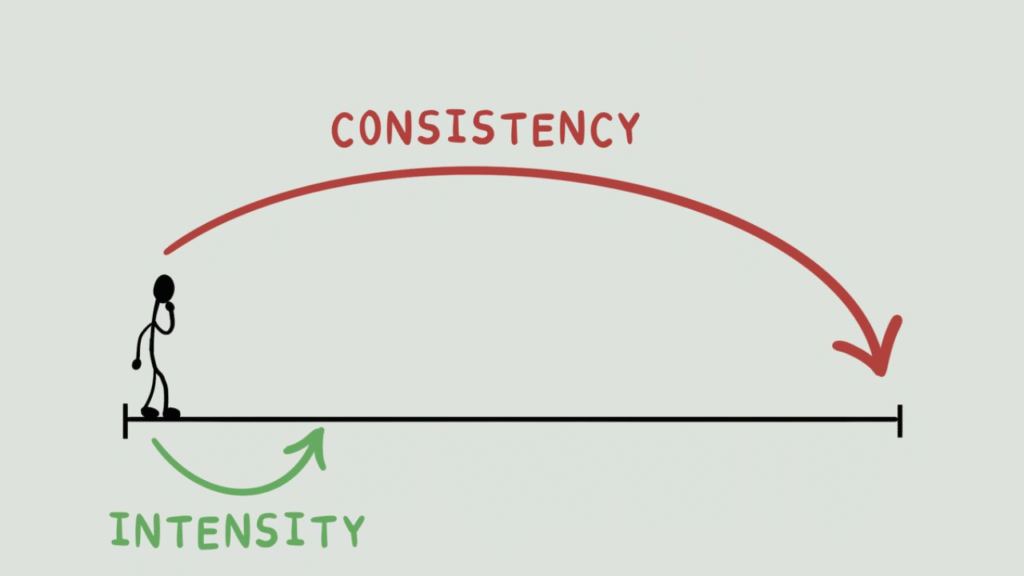
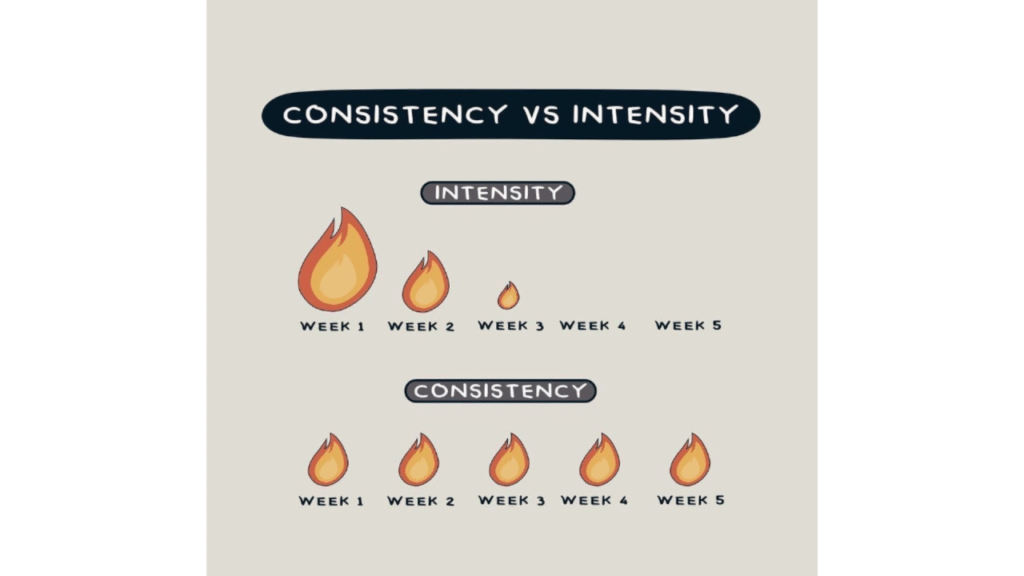
The absolute biggest mistake you can make is delaying your savings journey because you think the amount you can afford to set aside is too small to matter.
If you wait until you have a massive chunk of extra cash to start saving, you will wait forever. A tiny amount put away consistently, month after month, builds momentum. It isn’t just about the cash piling up; it’s about the muscle memory of the habit itself.
Real life is messy, unpredictable, and expensive. The goal of saving isn’t to become wealthy enough to show off; it’s to buy yourself the freedom to sleep soundly at night, knowing that a flat tire or an unexpected bill won’t derail your entire life. Give yourself some grace, start exactly where you are, and focus on progress instead of perfection.
Frequently Asked Questions
1.What are the easiest ways to save money every month?
Creating a budget, tracking expenses, reducing unnecessary subscriptions, and saving automatically are some of the easiest ways to save money.
2.How much money should I save each month?
A common recommendation is to save at least 20% of your monthly income, but any amount saved consistently is beneficial.
3.How can I save money on a low income?
Focus on budgeting, cutting unnecessary expenses, avoiding debt, and saving small amounts regularly.
4.What is the 50/30/20 budgeting rule?
The 50/30/20 rule suggests allocating 50% of income to needs, 30% to wants, and 20% to savings and investments.
5.How can I reduce my monthly expenses?
Review subscriptions, limit impulse purchases, cook more meals at home, and reduce energy usage.
6.Is it better to save money or pay off debt first?
It depends on your financial situation, but many experts recommend building a small emergency fund while paying off high-interest debt.
7.How can I build an emergency fund quickly?
Set a monthly savings goal, automate transfers, reduce non-essential spending, and save unexpected income such as bonuses or gifts.