The modern wellness industry is incredibly exhausting. Every time you open your phone, someone is trying to sell you a complicated multi-step routine, a powdered supplement derived from an exotic root, or a rigid workout regime that requires you to wake up before dawn. It treats health like an elite sport or a high-stakes competition where you are always one missed habit away from failing.
But here is the absolute truth: real wellness shouldn’t feel like a second job.
A flawless aesthetic or living a life of extreme deprivation. True health is much quieter, kinder, and far more human than that. It’s simply the ongoing, messy, and deeply personal practice of building a life that feels good on the inside, not just one that looks perfect on a grid. It is about creating a gentle buffer between your mind and the chaotic pace of the modern world.
Shifting the Narrative: Balance Over Perfection
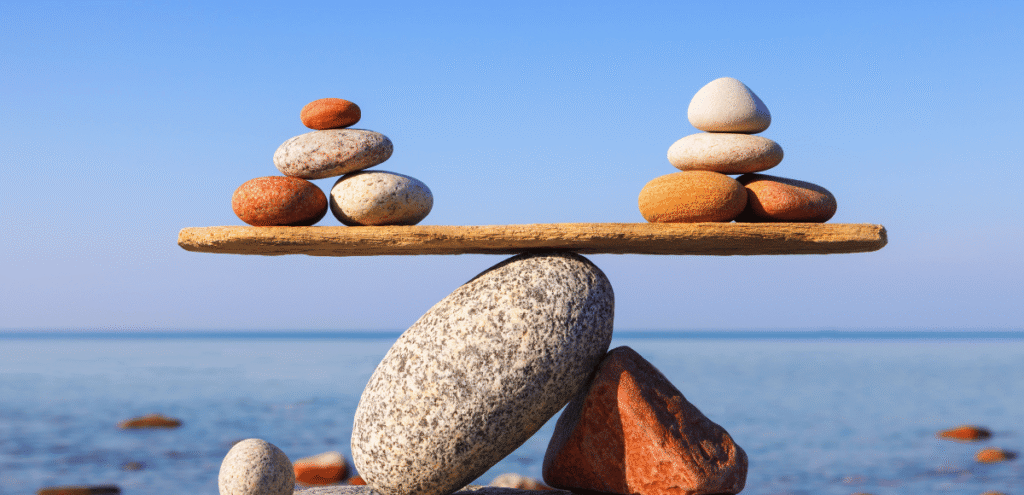
The biggest mistake we make is treating wellness like an all-or-nothing game. If we eat a piece of cake or skip a workout, we feel a wave of guilt and assume we’ve ruined our entire week.
- The Perfection Trap: Believing that healthy living means absolute restriction, military-grade discipline, and never slipping up.
- The Sustainable Reality: Understanding that your body and mind thrive on flexibility. A truly healthy life has room for both a crisp, nutrient-dense salad and a slow, late-night dinner with friends where you don’t look at the ingredients once.
The True Pillars of Staying Whole
[ Extreme Routines ] ───> Burnout, Guilt, Short-Term Results
[ Small Gentle Habits ] ──> Consistency, Peace, Lifelong Longevity
Uncomplicating What You Eat
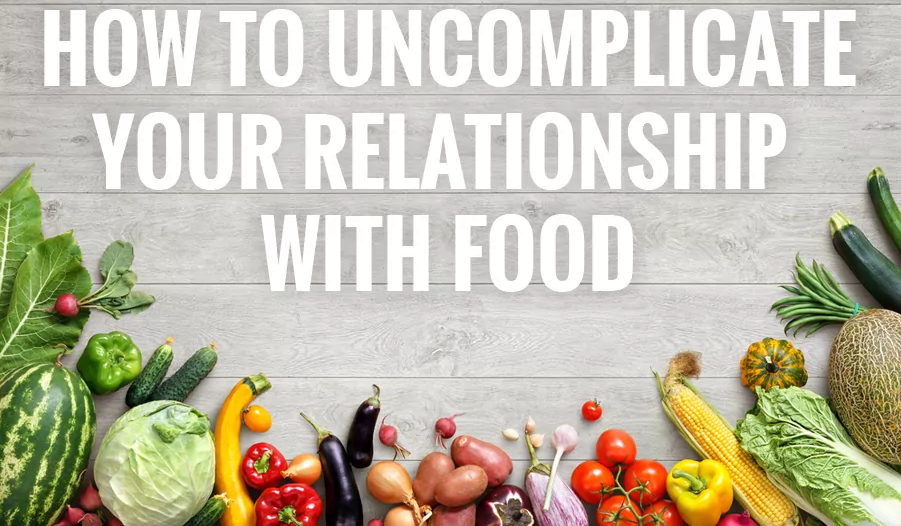
Nutrition has been hijacked by endless debate and tribalism. One year a specific food group is a miracle, the next year it’s public enemy number one. If you want to keep your sanity, ignore the noise. Eat real, whole foods that make your body feel vibrant and energized, drink enough water so you aren’t constantly dragging your feet, and stop viewing your meals through the lens of guilt or punishment. Food is fuel, but it is also culture, joy, and connection.
Movement Should Be an Act of Celebration, Not Penance
If you hate running on a treadmill or lifting heavy weights in a crowded gym, stop forcing yourself to do it. You will inevitably quit, and then you’ll blame your own willpower. The best exercise is simply the movement you actually enjoy enough to repeat. Go for a long walk in the evening, dance in your kitchen, ride a bike, or stretch on your living room floor. Moving your body should be a way to release stress and celebrate what you can do, not a punishment for what you ate yesterday.
Protect Your Sleep Like Your Life Depends on It

We live in a culture that bizarrely glorifies burnout and sleep deprivation, treating exhaustion like a badge of honor. But running on fumes ruins your mood, destroys your ability to focus, and quietly wrecks your immune system. Sleep is the ultimate, free resetting mechanism for your brain and body. Turning off the screens an hour before bed and giving yourself permission to get a full, restorative night of rest is one of the most radical acts of self-care you can practice.
Tending to the Inside
[ Constant Connectivity ] ───> Overwhelm & Anxiety
[ Mindful Presence ]      ───> Mental Clarity & Resilience
The Art of Tuning Out the Chaos


Your mind wasn’t built to process the constant, global stream of crises, notifications, and outrage that our phones feed us every hour. Mental wellness isn’t about meditating on a mountaintop; it’s about setting boundaries with the outside world. It’s closing your laptop when the workday is done, leaving your phone in another room during dinner, and taking a few minutes to just sit quietly and breathe without consuming content.
People Need People
You can eat perfectly, exercise daily, and take every vitamin on earth, but if you are deeply lonely, your health will suffer. Human connection is a baseline biological need. True social wellness doesn’t mean having a massive social circle or a packed calendar. It’s about having a few people in your life who truly see you, who listen without judgment, and with whom you can be completely yourself. Make time for real, face-to-face conversations.
Progress, Not Perfection
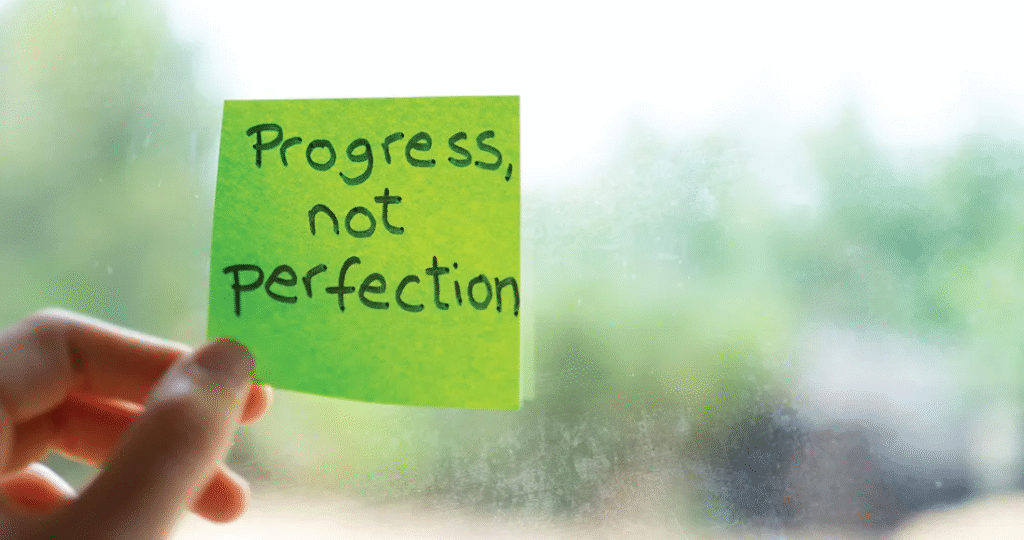
The real secret to a healthy life is consistency over intensity. If you try to overhaul your entire existence by Monday morning, you will likely be completely burnt out by Friday night.
Pick one tiny, manageable thing today. Walk for an extra ten minutes, drink an extra glass of water, or go to bed a half-hour earlier. When that small change starts to feel as natural as brushing your teeth, pick another one.
Wellness is a lifelong relationship with yourself, and like any good relationship, it requires patience, forgiveness, and a lot of grace. Stop waiting for a perfect version of yourself to arrive—start exactly where you are, with what you have, and focus on simply feeling a little more at peace in your own skin.
Frequently Asked Questions
1.What is wellness?
Wellness is a holistic approach to health that includes physical, mental, emotional, social, and spiritual well-being. It focuses on achieving balance and improving overall quality of life.
2.Why is healthy living important?
Healthy living supports physical health, mental clarity, emotional stability, and long-term well-being. It can reduce the risk of chronic diseases and improve overall life satisfaction.
3.How can I start a wellness journey?
Begin by making small changes such as eating healthier foods, exercising regularly, improving sleep habits, and practicing stress-management techniques.
4.How much exercise should I get each week?
Most health experts recommend at least 150 minutes of moderate physical activity per week, along with strength-training exercises on multiple days.
5.What role does nutrition play in wellness?
Nutrition provides the nutrients and energy needed for optimal body function. A balanced diet supports physical health, mental performance, and overall wellness.
6.How can I reduce stress naturally?
Activities such as meditation, mindfulness, deep breathing, exercise, spending time in nature, and engaging in hobbies can help reduce stress naturally.
7.Why is sleep important for wellness?
Sleep allows the body and mind to recover, repair, and recharge. Good sleep supports immune function, mood, memory, and overall health.