

The modern home is powered by an invisible network of Eco-Friendly energy streams, operational data, and continuous power draws. Electronics permeate every room, transforming how households manage security, climate, lighting, and communication. However, this growing reliance on consumer tech brings an escalating environmental footprint—ranging from the raw material extraction needed for microprocessors to the continuous grid power consumed by standby devices.
Designing a sustainable Eco-Friendly technology setup does not mean abandoning electronic conveniences or returning to a manual lifestyle. Instead, it involves adopting hardware, software, and power management architectures engineered for resource efficiency. By evaluating the complete life cycle of consumer technology—from raw manufacturing inputs and power conversion efficiency to device longevity, repairability, and end-of-life recovery—households can build a tech ecosystem that delivers high performance with minimal environmental impact.
The Engineering Foundations of Eco-Friendly Electronics

An eco-friendly gadget is fundamentally defined by its engineering, operational efficiency, and structural lifespan, rather than surface-level marketing claims. Evaluating a device’s sustainability requires examining several key engineering parameters:
Power Conversion Efficiency and Low-Power Chips
Every electronic device relies on internal power management integrated circuits (PMICs) to step down grid AC voltage to low-voltage DC power. High-efficiency devices use advanced semiconductor materials—such as Gallium Nitride (GaN) instead of traditional Silicon—in their power supply units. GaN transistors switch faster and handle higher voltage fields with significantly lower thermal energy loss, resulting in compact chargers and power adapters that operate with conversion efficiencies exceeding 95%.
Simultaneously, microprocessors are moving toward ultra-low-power architectures, such as ARM-based chips and RISC-V cores. These processors use advanced power-gating techniques to shut down idle internal circuits at microsecond intervals, keeping standby power consumption (often called “phantom load”) near zero.
Eco-Friendly Closed-Loop Material Selection and Structural Durability
Manufacturing electronic casings, circuit boards, and structural frames consumes significant energy. Sustainable devices reduce this initial impact by utilizing:
- Post-Consumer Recycled (PCR) Plastics: Resins recovered from ocean waste or discarded consumer goods, reformed into structural housings without sacrificing impact resistance.
- Recycled Aluminum and Rare-Earth Elements: Precision-machined aluminum enclosures made from 100% recycled industrial scrap, alongside magnet assemblies using recycled neodymium.
- Conformally Coated Internal Electronics: Applying hydrophobic, anti-corrosive coatings over printed circuit board assemblies (PCBAs) protects internal components from humidity, dust, and liquid damage, preventing premature hardware failure.
Modular Architecture and Modular Repair Eco-Friendly
Traditional electronics frequently use strong structural adhesives, ultrasonic welds, and proprietary security screws that make non-destructive disassembly nearly impossible. Modular engineering reverses this trend by using standardized fasteners (such as Torx or Phillips screws), socketed interconnects, and accessible component layouts. This allows individual wear items—such as lithium-ion battery packs, charging ports, switches, and displays—to be swapped out in minutes without replacing the main system board.
Technical Breakdown: Key Sustainable Eco-Friendly Gadgets and Their Mechanics

Whole-Home Eco-Friendly Smart Energy Monitors
Installed directly inside the main electrical service panel using Current Transformer (CT) clamps wrapped around incoming power mains, smart energy monitors read high-frequency current and voltage waveforms thousands of times per second.
Advanced models use Machine Learning Load Disaggregation to analyze the unique electrical signatures of different household motor starts, heating elements, and power supplies. By matching these signature waveforms against a database of appliance profiles, the monitor isolates precisely how much power the refrigerator, HVAC compressor, or water heater is drawing in real time—without requiring individual sensors on every outlet.
Smart Plugs and Automated Power Strips
Standard electronics continue to draw power even when turned off to keep internal clocks, remote receivers, and status LEDs active. Smart plugs and power strips solve this phantom load problem through two primary methods:
- Relay Automation: An internal electromechanical or solid-state relay physically disconnects the AC hot line when the device enters a standby state or when a scheduled off-timer triggers.
- Current Threshold Sensing: Smart power strips feature “Master/Slave” outlet configurations. When the current sensor on the primary outlet detects that a desktop computer or television has powered down, it automatically cuts power to auxiliary outlets driving secondary accessories like monitors, speakers, and subwoofers.
Solar Photovoltaic Chargers and Outdoor Lighting

Portable solar equipment relies on integrated Maximum Power Point Tracking (MPPT) charge controllers paired with high-efficiency monocrystalline silicon photovoltaic cells.
Solar panels exhibit non-linear voltage and current outputs that fluctuate constantly based on sunlight intensity, surface temperature, and shadow coverage. Standard basic regulators discard excess voltage, resulting in wasted energy. MPPT controllers continuously scan the panel’s output curve, converting excess voltage into additional charging current. This process preserves power conversion ratios and safely feeds energy into stable storage chemistry, such as Lithium Iron Phosphate ($\text{LiFePO}_4$) cells, which offer over 3,000 charge cycles—more than triple the life of standard lithium-ion batteries.
Smart Thermostats and Climate Optimization
Heating and cooling represent the largest share of residential energy usage. Smart thermostats optimize HVAC performance through several predictive software mechanisms:
- Thermal Mass Learning: By measuring how quickly a specific home heats up or cools down relative to outdoor ambient temperatures, the thermostat learns the building’s thermal envelope and prevents over-shooting target setpoints.
- Geofencing and Occupancy Detection: Passive Infrared (PIR) sensors combined with mobile phone location triggers dynamically switch the system to an eco-setpoint when the house is empty, bringing the home back to comfortable conditions just as residents return.
- Compressor Protection and Duty Cycling: Smart algorithms prevent short-cycling—rapidly turning the air conditioning compressor on and off—which avoids severe electrical start-up spikes and reduces mechanical wear on internal seals and components.
Smart Ultrasonic Water Leak Monitors
Water sustainability requires immediate leak detection to prevent loss and structural damage. Modern smart water monitors clamp onto main incoming supply pipes without requiring pipe cutting. These devices send high-frequency ultrasonic sound pulses through the pipe wall, measuring the differential flight time of the sound waves to calculate internal fluid velocity.
Because ultrasonic flow meters can detect microscopic movements in water volume, they pick up slow toilet flapper leaks or micro-cracks immediately, triggering automatic inline shutoff valves before significant water loss occurs.
Comparative Analysis: Conventional vs. Sustainable Hardware
| Feature / Architecture | Conventional Electronic Gadgets | Eco-Engineered / Sustainable Gadgets |
| Power Conversion | Silicon-based linear/switching transformers (80–85% efficiency) | Gallium Nitride (GaN) PMICs (>95% power efficiency) |
| Standby Power Draw | Continuous active phantom loads (2–10 Watts per device) | Ultra-low power gating / Physical relay isolation (<0.1 W) |
| Enclosure Materials | Virgin ABS/Polycarbonate petroleum plastics | Post-Consumer Recycled (PCR) plastics, recycled aluminum |
| Structural Assembly | Ultrasonic glue seals, proprietary tamper-proof screws | Modular fasteners, socketed components, accessible layouts |
| Power Storage | Low-cost Cobalt-based Lithium-Ion (~500 lifecycle charges) | High-durability $\text{LiFePO}_4$ chemistry (>3,000 lifecycle charges) |
| Software Support Lifecycle | Short support windows (2–3 years), leading to software obsolescence | Extended long-term support (LTS) firmware updates (5–10+ years) |
| Repair & Maintenance | Sealed units requiring total device replacement on failure | Open-market replacement parts, public service manuals |
Practical Implementation: Building an Efficient Tech Setup

Upgrading to an eco-friendly tech setup works best when implemented systematically. Rather than discarding functional electronics—which creates unnecessary e-waste—apply a phased optimization plan that prioritizes high-yield adjustments first.
Establish an Energy Baseline
Install a whole-panel energy monitor or use portable watt-meters on individual wall outlets to measure baseline electricity consumption. Identify high-draw continuous loads, such as older secondary refrigerators, home server setups, or unmanaged entertainment centers.
Eliminate Phantom Power Losses
Connect entertainment systems, desktop workstations, and battery charging stations to smart power strips or scheduling plugs. Program these power strips to cut AC power entirely during overnight hours or typical working periods when the equipment sits idle.
Implement Automated Climate and Lighting Control
Replace legacy mercury or basic digital thermostats with a smart climate controller. Upgrade high-use incandescent or legacy CFL fixtures to dimmable LED smart bulbs. Configure motion sensors in transient spaces (such as hallways, garages, and closets) so lighting operates only when occupied.
Maximize Existing Hardware Lifespans
Extend the operational lifespan of existing laptops, smartphones, and mobile devices before seeking replacements:
- Optimize Battery Charging Profiles: Enable firmware features that cap maximum charge capacity at 80% for devices continuously plugged into wall power, reducing chemical stress on internal lithium cells.
- Perform Thermal Maintenance: Periodically clear dust accumulation from cooling fins and fans, or replace dried thermal paste on processors to maintain cooling efficiency and prevent heat-induced throttle damage.
- Keep Software Updated: Install regular software patches and light operational systems to keep older hardware running smoothly without needing raw processing upgrades.
Prioritize Modular and Repairable Hardware
When a device reaches the end of its functional life, select replacements based on repairability indices. Look for hardware with available spare parts, modular internal components, and long-term software support commitments from the manufacturer.
Dispose of E-Waste Through Verified Recovery Channels
Never throw old electronics into standard household trash streams, where heavy metals (lead, cadmium, mercury) can leach into local groundwater. Divert obsolete hardware to certified e-waste recyclers that use specialized mechanical shredding and hydrometallurgical processing to recover refined copper, gold, silver, and rare-earth elements for manufacturing new electronics.
Future Trajectories in Green Technology

Ambient Energy Harvesting and Battery-Free IoT
Next-generation smart home sensors are moving past disposable batteries by tapping into ambient energy harvesting. Micro-pellet thermoelectric generators (TEGs) harvest power from temperature differences, photovoltaic indoor light cells convert ambient room light into current, and RF-harvesting antennas gather energy from surrounding Wi-Fi and Bluetooth signals. These innovations power low-energy microcontrollers continuously without requiring replacement batteries.
Artificial Intelligence Load Balancing
Future home energy systems will integrate deeply with smart electrical grids via localized AI algorithms. These controllers will monitor real-time electricity pricing, predicted weather patterns, and home usage routines to schedule energy-intensive tasks automatically. EV chargers, heat pumps, and dishwashers will operate during peak solar generation windows or overnight when power rates drop, reducing stress on local grids while maximizing renewable energy usage.
Biodegradable Substrates and Non-Toxic Electronics
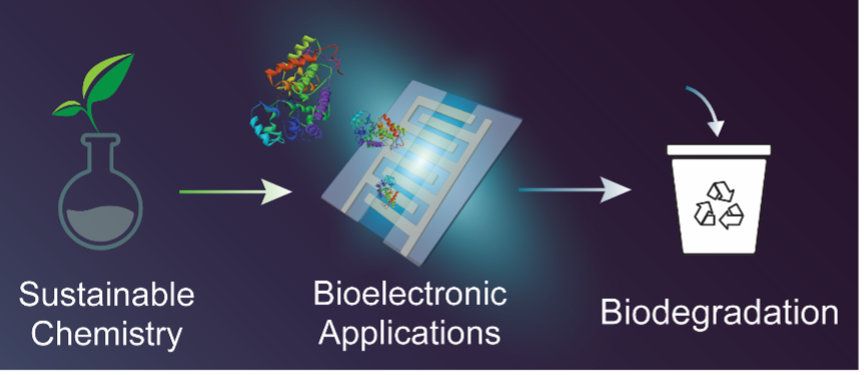
Materials science research is producing fully biodegradable printed circuit boards (PCBs) made from plant-based cellulose fibers, silk proteins, and water-soluble agricultural polymers. Combined with non-toxic zinc or carbon-based conductive inks, these transient electronic assemblies dissolve safely under commercial composting conditions at end-of-life, leaving behind zero persistent toxic microplastics or heavy metal residues.
Ultimately, sustainable technology relies on informed design, engineering precision, and intentional consumption. By choosing efficient, long-lasting, and repairable devices, consumers can build a fully connected ecosystem that delivers modern digital performance while protecting environmental resources.
Frequently Asked Questions
What are the best eco-friendly gadgets?
Some useful options include smart energy monitors, smart plugs, rechargeable batteries, solar chargers, LED smart lighting, smart thermostats, water-monitoring devices, and repairable electronics.
Are solar-powered gadgets worth buying?
They can be useful for outdoor activities, travel, and situations where conventional electricity is unavailable. Their practicality depends on sunlight, charging speed, battery capacity, and how often they are used.
Do smart gadgets save energy?
Some can. Smart plugs, lighting systems, thermostats, and energy monitors can help reduce unnecessary consumption, but actual savings depend on how the devices are configured and used.
How can gadgets reduce e-waste?
Choosing durable, repairable, upgradeable products and using electronics for longer can help reduce replacement frequency. Proper recycling at the end of a device’s useful life is also important.
What is the most sustainable gadget?
There is no single answer. In many cases, the most sustainable choice is a durable device that meets a genuine need, lasts a long time, can be repaired, and replaces a less efficient or disposable alternative.