There’s something satisfying about making a really good cup of coffee at home.It might be the smell of freshly ground beans first thing in the morning, the quiet few minutes while the kettle heats, or that first sip that tastes noticeably better than the rushed cup you usually make.
And the good news is that you don’t need an expensive coffee machine or a kitchen full of fancy equipment to get there.
Great home coffee usually comes down to a few simple things: fresh Coffee at Home, good water, the right grind, a sensible coffee-to-water ratio, proper temperature, and a brewing method you can repeat. Recent 2026 brewing guides continue to emphasize these basics rather than expensive equipment.
So whether you’re completely new to brewing or your coffee already tastes pretty good but could use a little improvement, this Coffee Making Guide 2026 will walk you through the basics.
What You Need to Make Good Coffee at Home
You don’t need much to get started.
For a basic cup, you’ll need:
- Fresh coffee beans or ground coffee
- Clean drinking water
- A kettle
- A coffee brewer
- A mug
- A spoon
- A kitchen scale, if available
- A grinder if you’re using whole beans
A burr grinder is particularly useful because it produces more consistent grounds than a typical blade grinder. Consistent grinding makes it easier to get a repeatable cup.
But don’t worry if you don’t own everything yet.
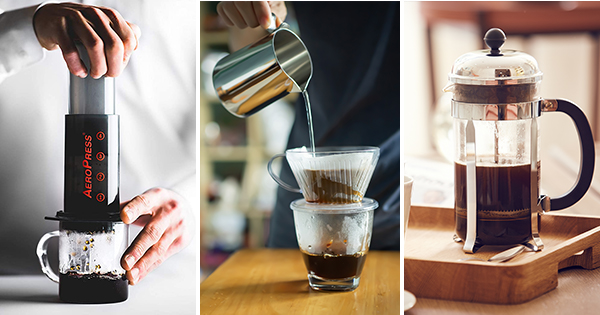
A French press, pour-over brewer, drip machine, or even a simple South Indian filter can produce excellent coffee when you use a sensible recipe.
1. Start With Fresh Coffee at Home
Before worrying about complicated brewing techniques, look at your coffee.
Freshness makes a noticeable difference.
If you’re buying whole beans, look for a roast date when possible rather than simply checking a distant expiration date. Buying smaller quantities more frequently can help you enjoy the coffee while its aromas are still lively.
Whole beans are also generally easier to keep fresh than coffee that’s already been ground.
Store your coffee in an airtight container away from heat, moisture, and direct sunlight.
And if you have a grinder, try grinding your beans shortly before brewing.
That small change can make your morning cup smell and taste much more vibrant.
2. Get the Coffee at Home-to-Water Ratio Right
This is one of the easiest ways to make your coffee more consistent.
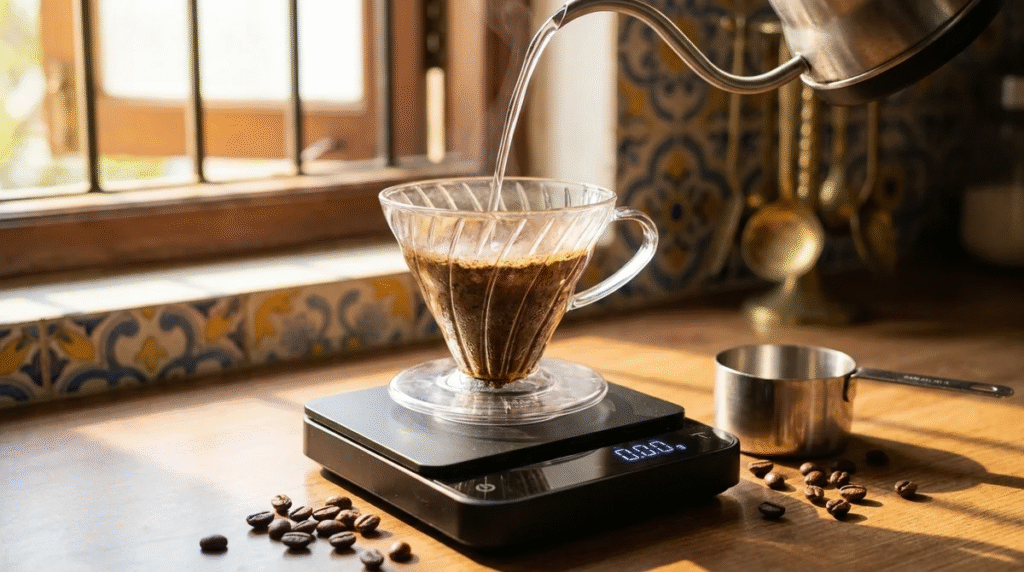
A useful starting point for many filter-style brews is around 1 gram of coffee for every 16 grams of water.
For example:
15g coffee + 240–250g water
You can adjust from there depending on how you like your coffee.
Want something stronger?
Use slightly more coffee.
Prefer something lighter?
Use slightly more water.
There isn’t one magic ratio that everyone has to follow.Coffee The important thing is to start with something repeatable and adjust based on taste. A common home-brewing range is roughly 1:15 to 1:17.
3. Don’t Ignore Your Water
Coffee is mostly water, so the water you use matters more than many beginners expect.
If your tap water tastes strongly of chlorine, salt, metal, or other unpleasant flavors, those characteristics can show up in your coffee too.
For most people, clean filtered drinking water is a sensible starting point.
You don’t need to turn coffee brewing into a chemistry experiment on your first day.
Start with water that tastes good on its own.
Then focus on your grind, ratio, temperature, and brewing time.
4. Get the Water Temperature Right
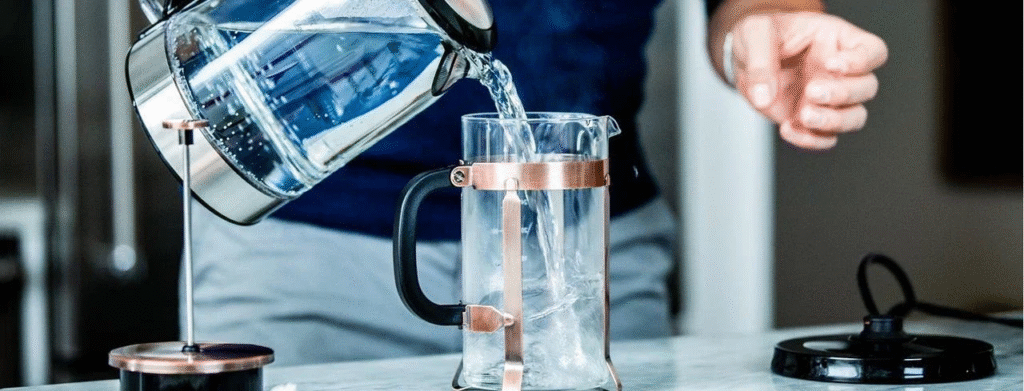
Water that’s too hot or too cool can change how your coffee tastes.
A practical starting range for many hot brewing methods is around 90–96°C (195–205°F).
If you don’t have a temperature-controlled kettle, simply boil the water and let it sit briefly before brewing.
You don’t need to obsess over hitting one exact temperature.
Think of temperature as another adjustment you can make when your coffee doesn’t taste right.
5. Choose the Right Grind Size
Your grind size should match your brewing method.
As a general starting point:
- French press: Coarse
- Drip coffee: Medium
- Pour-over: Medium-fine
- Espresso: Fine
- Cold brew: Coarse or extra coarse
The basic idea is simple.
A finer grind usually extracts more quickly, while a coarser grind slows extraction.
If your coffee tastes sour, thin, or watery, you may need a finer grind.
If it tastes harsh, bitter, or overly dry, try going a little coarser.
Make small changes rather than completely changing your recipe every time.
6. How to Make Coffee at Home With a French Press
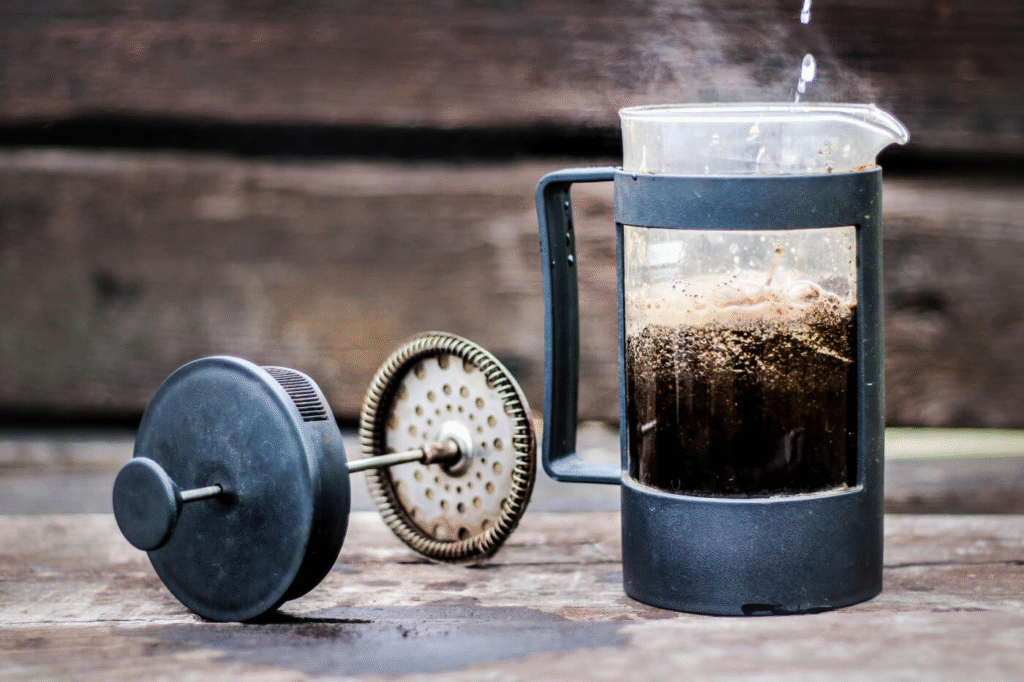
The French press is one of the easiest ways to make rich, full-bodied coffee at home.
What You’ll Need
- 15–20g coarse-ground coffee
- About 250–300ml hot water
- French press
- Timer
Method
- Add the coffee grounds to the French press.
- Pour in hot water.
- Give the grounds a gentle stir.
- Put the lid on without pressing the plunger.
- Let the coffee brew for around four minutes.
- Slowly press the plunger.
- Pour the coffee into your mug immediately.
A coarse grind and roughly four-minute brew are common starting points for French press coffee.
If it tastes too bitter, try a slightly coarser grind or shorter brewing time.
7. How to Make Pour-Over Coffee at Home
Pour-over is a great choice if you enjoy a cleaner, more delicate cup and don’t mind being a little more involved in the brewing process.
What You’ll Need
- 15g coffee
- About 240–250g water
- Pour-over brewer
- Paper filter
- Kettle
- Scale
- Timer
Method
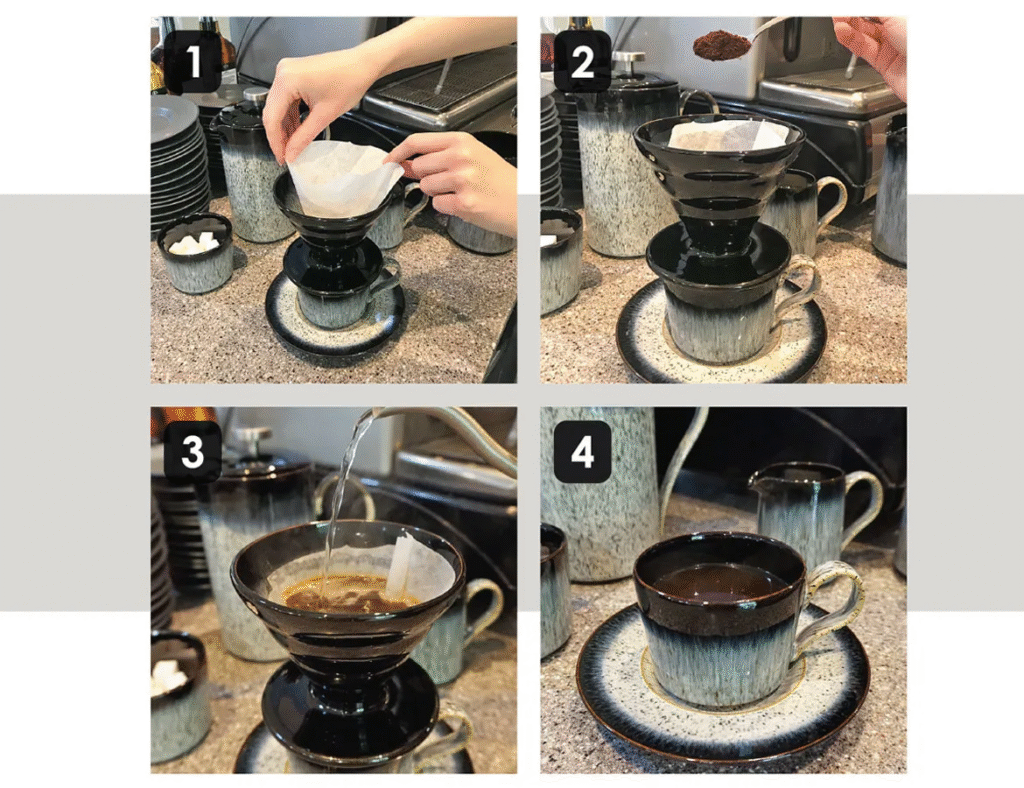
- Place the filter into the brewer.
- Rinse the filter with hot water.
- Add your freshly ground coffee.
- Start with a small amount of water to wet all the grounds.
- Let the coffee “bloom” for around 30–45 seconds.
- Slowly pour the remaining water in controlled circles.
- Let the water pass through the coffee.
- Serve once brewing is finished.
A medium-fine grind and roughly 1:16 ratio are useful starting points for pour-over brewing.
The fun part is that you can gradually adjust the grind, pouring speed, and ratio until you find the flavor you enjoy.
8. How to Make Coffee With a Drip Coffee at Home Maker
If convenience is your priority, a drip coffee maker is hard to beat.
It’s especially useful when you’re making several cups at once.
Simple Method
- Fill the machine with clean water.
- Add a paper filter if required.
- Use medium-ground coffee.
- Measure your coffee rather than guessing.
- Start the machine.
- Let the brewing cycle finish.
- Pour and enjoy.
Many drip-style brews work well with a medium grind and a coffee-to-water ratio around 1:16–1:17.
The advantage is consistency.
Once you find a recipe you like, you can repeat it every morning without much effort.
9. How to Make South Indian Filter Coffee at Home
For many Indian coffee lovers, Coffee South Indian filter coffee has a completely different kind of charm.
It is traditionally brewed using a metal filter and often combined with hot milk and sugar.
Basic Method
- Add finely ground coffee to the filter.
- Place the upper section over the lower container.
- Pour hot water over the coffee grounds.
- Allow the coffee decoction to slowly collect.
- Mix the decoction with hot milk.
- Add sugar according to your preference.
- Pour between two cups or a tumbler and davara to create that familiar frothy finish.
The exact coffee blend and preparation style can vary from household to household, which is part of what makes it so enjoyable.
10. How to Make Iced Coffee at Home
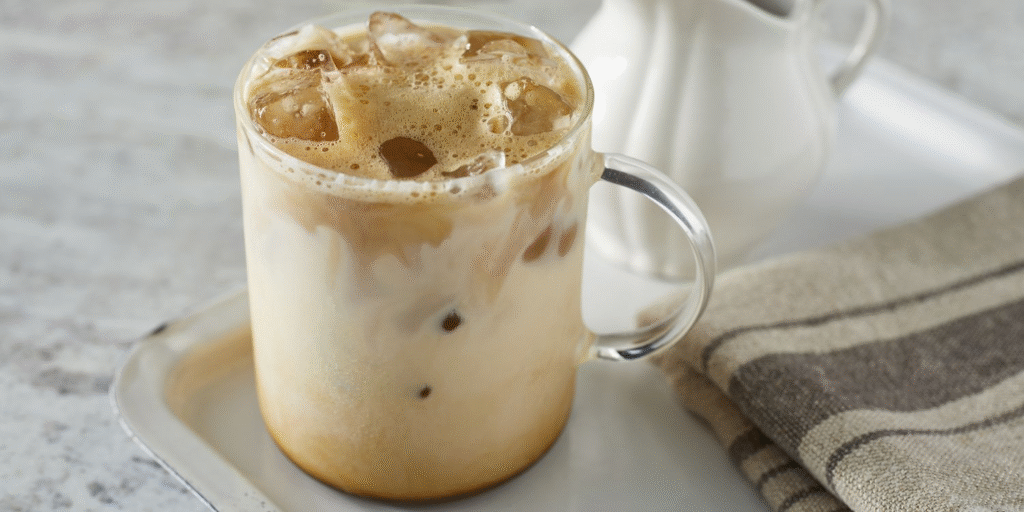
When the weather gets warm, hot coffee isn’t always what you want.
Fortunately, iced coffee is easy to make.
Quick Iced Coffee at Home
You’ll need:
- Strong brewed coffee
- Ice
- Cold milk, if desired
- Sugar or sweetener, optional
Brew your coffee slightly stronger than usual, let it cool, and pour it over ice.
Add milk and sweetener if you like.
You can also make cold brew, which uses a much longer steeping process and produces a different flavor profile.
11. How to Make Cold Brew Coffee
Cold brew requires more patience, but very little active work.
A simple method is:
- Use coarse-ground coffee.
- Combine it with cold or room-temperature water.
- Let it steep for roughly 12–24 hours depending on your recipe.
- Strain the coffee.
- Dilute the concentrate with water or milk.
- Serve over ice.
Cold brew is often prepared as a concentrate, which can then be diluted to your preferred strength.
The best part?
You can prepare it ahead of time and keep it ready in the refrigerator.
12. What If Your Coffee Tastes Bitter?
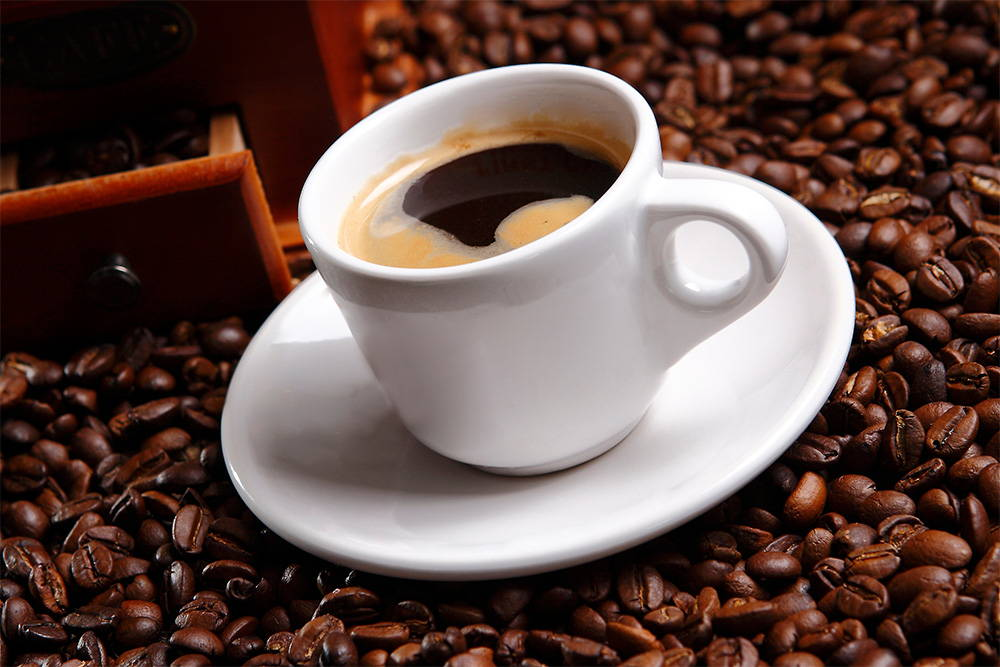
Don’t immediately Coffee throw away your beans.
Bitter coffee can often be fixed by adjusting your brewing process.
Try:
- Using a slightly coarser grind
- Reducing brewing time
- Using slightly cooler water
- Checking whether you’re using too much coffee
Over-extraction can contribute to bitter or harsh flavors.
Change one thing at a time so you know what actually improved the cup.
13. What If Your Coffee Tastes Sour?
Sour or sharp coffee can sometimes indicate under-extraction.
Try:
- Grinding slightly finer
- Increasing brewing time
- Using slightly hotter water
- Checking your coffee-to-water ratio
Again, don’t change everything at once.
Make one adjustment, brew another cup, and taste the difference.
That’s how you gradually learn what your coffee needs.
14. What If Your Coffee Tastes Weak?

Weak coffee isn’t always caused by using too little coffee.
It could be the grind, brewing time, water ratio, or even the freshness of your coffee.
Try:
- Adding slightly more coffee
- Using a finer grind
- Increasing brew time
- Checking whether your beans are still fresh
- Measuring your ingredients
A kitchen scale can make this much easier because you can repeat the same recipe from one day to the next.
15. Don’t Change Everything at Once
This might be the most useful tip in the entire guide.
If your coffee tastes bad, don’t simultaneously change:
- The beans
- Grind size
- Water temperature
- Coffee dose
- Brewing time
- Water
- Brewing method
You’ll have no idea what fixed the problem.
Instead, change one variable at a time.
For example, if today’s coffee tastes bitter, make the grind slightly coarser tomorrow while keeping everything else the same.
That gives you useful information.
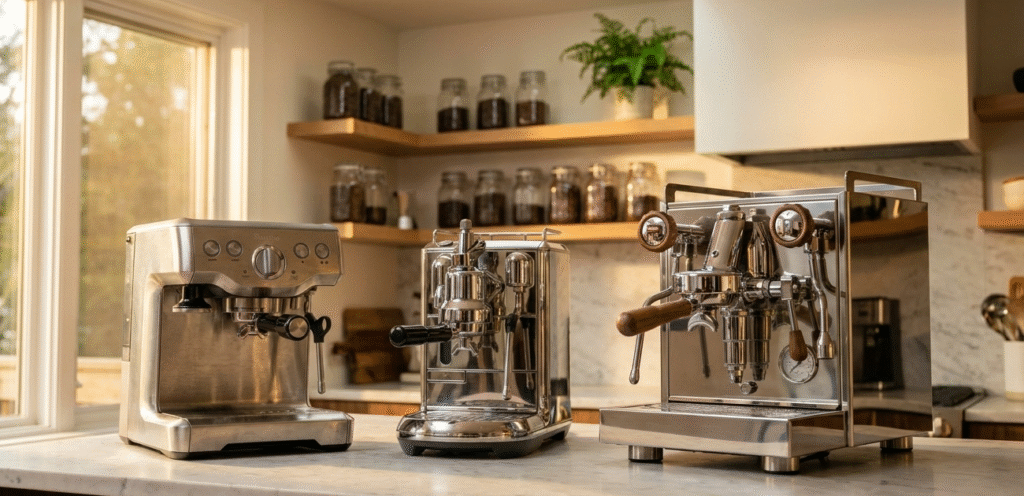
16. You Don’t Need Expensive Equipment
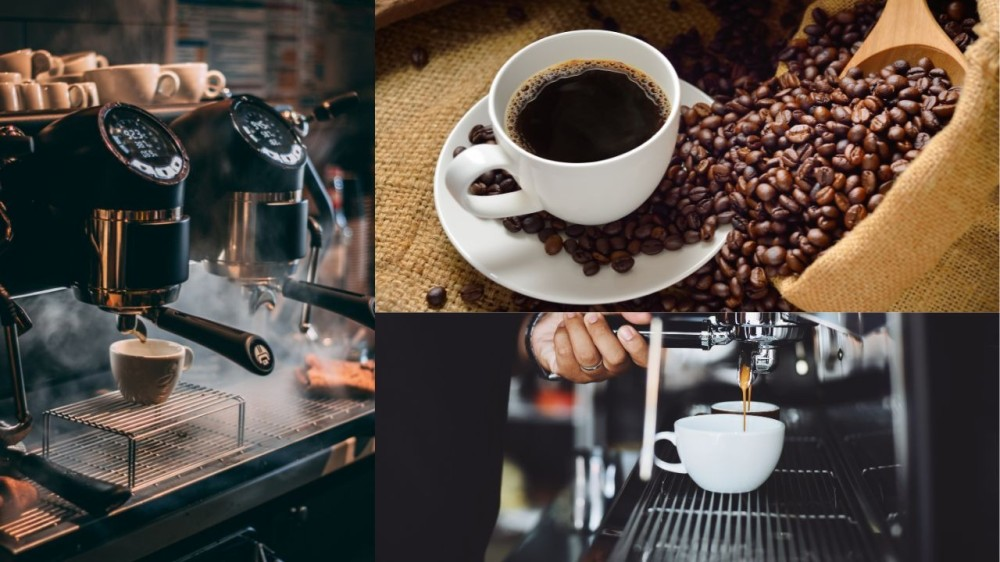
It’s easy to fall into the trap of thinking great coffee requires expensive equipment.
It doesn’t.
A simple French press and kettle can make a very enjoyable cup. A basic pour-over setup can produce excellent results too.
A grinder and kitchen scale can be more useful upgrades than simply buying a more expensive coffee maker.
The brewing process matters more than having the fanciest equipment on the counter. Recent home-brewing guides similarly emphasize consistency in grind, ratio, water, and timing before expensive gear.
17. Keep Your Coffee Equipment Clean
You can have fresh beans and the perfect recipe, but dirty equipment can still ruin the experience.
Clean your brewer regularly.
Rinse your French press after every use. Clean reusable filters properly. Empty old coffee grounds instead of letting them sit around.
If you use an automatic coffee maker, follow its cleaning and descaling instructions.
Coffee oils and residue can build up over time and affect flavor.
18. A Simple Everyday Coffee Recipe
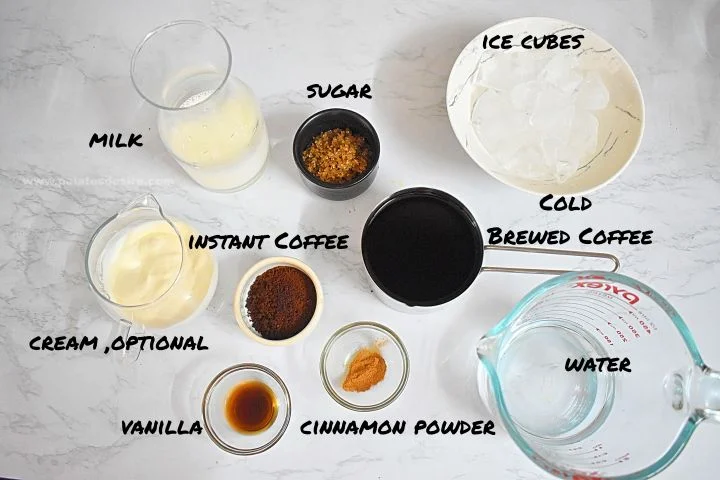
If you don’t want to remember a dozen different measurements, start here:
15g coffee + 250g water
Use:
- Fresh coffee
- Medium grind
- Clean water
- Water around 90–96°C
- Your preferred brewing method
Then taste it.
If it’s too strong, add a little water.
If it’s too weak, increase the coffee slightly next time.
it’s bitter, adjust the grind or brewing time.
If it’s sour, try a finer grind or slightly longer extraction.
That’s it.
You don’t need to make coffee complicated to make it good.
Common Coffee-Making Mistakes to Avoid
Using Stale Coffee
Freshness matters. Buy sensible quantities and store coffee properly.
Guessing Every Measurement
Consistency makes improvement easier. Use a scale if you have one.
Using the Wrong Grind
Your French press and espresso machine don’t want the same grind.
Using Poor-Tasting Water
If your water tastes bad, your coffee probably will too.
Brewing With Boiling Water
Let freshly boiled water cool slightly before brewing.
Changing Too Many Things
Adjust one variable at a time.
Leaving Coffee on the Grounds
With methods such as French press, separate brewed coffee from the grounds once the desired extraction is reached.
How to Make Your Coffee Taste More Like a Café

You don’t need to copy everything a café does.
Instead, focus on consistency.
Use fresh coffee. Grind it shortly before brewing. Measure your ingredients. Use clean water. Pay attention to temperature. Keep your equipment clean.
Then learn what you personally enjoy.
Maybe you prefer a bold French press.
you love the clean taste of pour-over.
Maybe South Indian filter coffee is your everyday favorite.
Or perhaps your ideal morning drink is simply coffee with hot milk and a little sugar.
There is no prize for making coffee the “right” way.
The best cup is the one you genuinely enjoy.
FAQ’S
1. What is the best coffee to make at home?
Freshly ground coffee beans usually give the best flavor.
2. How much coffee should I use?
A common starting point is about 1–2 tablespoons of coffee per 6 ounces of water.
3. What water is best for coffee?
Use fresh, clean, filtered water for better taste.
4. Should coffee beans be ground fresh?
Yes. Grinding beans just before brewing helps preserve flavor and aroma.
5. How can I make coffee taste stronger?
Use a slightly higher coffee-to-water ratio rather than simply brewing it longer.