
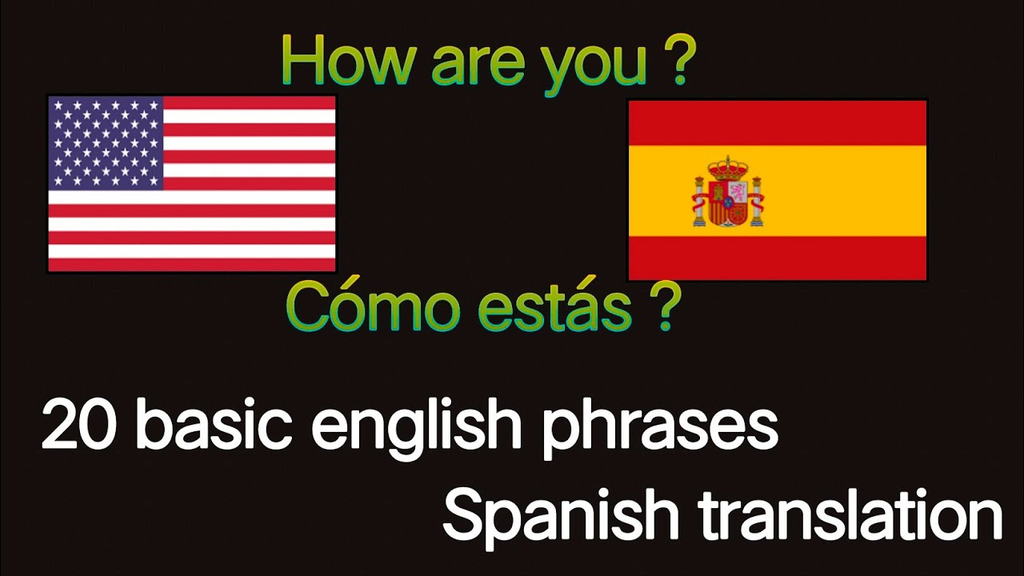
Translating English sentences into Spanish can become simple when you understand basic vocabulary, grammar rules, and sentence structure. Spanish is spoken in many countries, so learning to translate everyday English expressions can help with travel, education, work, and communication.
You do not need to be an expert to get started. Begin with short sentences, learn commonly used Spanish words, and practise translating everyday conversations. You can also use an English-to-Spanish translator to check unfamiliar words and understand how sentences are formed.
1. Start With Basic English Sentences
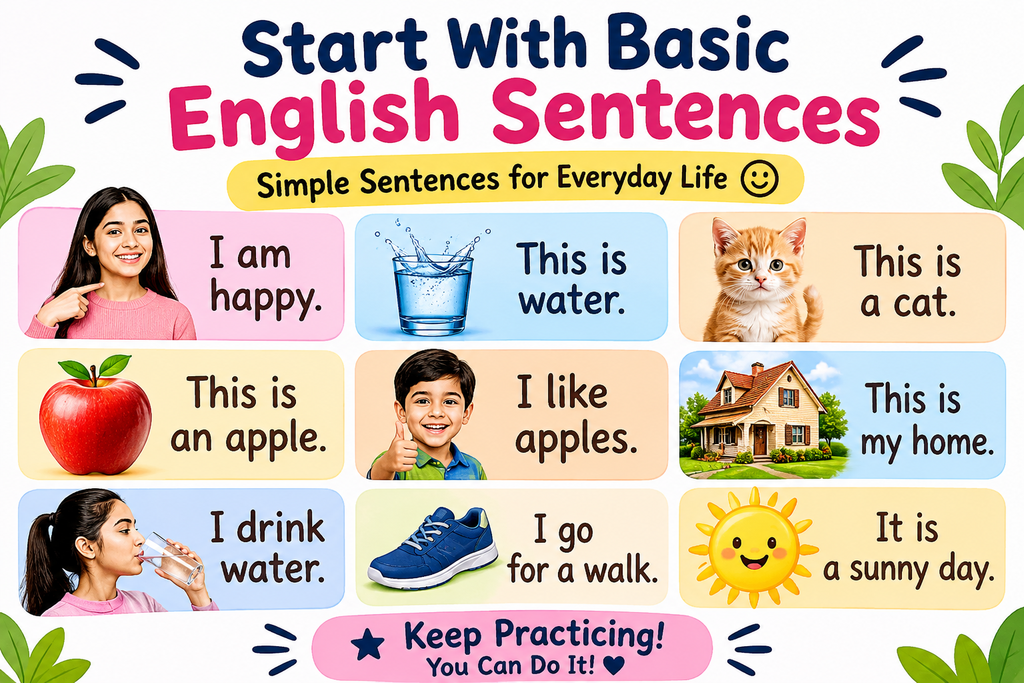
Begin with short English sentences that you commonly use in everyday life. Spanish Simple examples make it easier to understand Spanish grammar and remember new vocabulary.
For example:
- I am happy – Estoy feliz.
- I like coffee – Me gustavo el café.
- She is my sister – Ella es mi hermana.
- We are friends – Somos amigos.
- I need water – Necesito agua.
Try translating five simple sentences every day. Once you become comfortable, move towards longer sentences and everyday conversations.
2. Learn Common Spanish Vocabulary
Building a strong vocabulary makes translation faster and more accurate. Focus on words related to food, family, travel, shopping, education, and daily activities.
Some useful examples include:
- Hello – Hola
- Thank you – Gracias
- Please – Por favor
- House – Casa
- Food – Comida
- Friend – Amigo
- School – Escuela
- Family – Familia
Keep a small vocabulary notebook and write the English and Spanish meanings together. Revising these words regularly will help you recognise them more quickly.
3. Understand Spanish Sentence Structure

1. Word Order
Spanish usually follows Subject + Verb + Object.
💡 Trick – Tap
Remember S + V + O.

2. Subject Pronouns
Pronouns show who performs an action.
💡 Trick – Tap
Practise one pronoun with each verb.

3. Use Adjectives
Adjectives often follow the noun.
💡 Trick – Tap
Match adjectives with noun gender and number.

4. Questions & Negatives
Learn simple questions and negative sentences.
💡 Trick – Tap
Put “No” before the conjugated verb.
English and Spanish sentences often follow a similar subject-verb-object pattern, Spanish but their structure is not always identical. Understanding these differences helps you avoid word-for-word translation mistakes.
For example:
- English: I read a book.
- Spanish: Yo leo un libro.
- English: She drinks water.
- Spanish: Ella bebe agua.
In Spanish, subject pronouns such as yo, tú, and él can sometimes be omitted because the verb ending already indicates the subject. Learning this rule can make your translations sound more natural.
4. Choose the Correct Verb Tense
Verb tenses explain when an action happens. Spanish verbs change depending on whether you are discussing the present, past, or future.
| English | Spanish |
|---|---|
| I speak | Yo hablo |
| I spoke | Yo hablé |
| I will speak | Yo hablaré |
| I eat | Yo como |
| I ate | Yo comí |
| I will eat | Yo comeré |
Practise common verbs such as hablar, comer, vivir, tener, and hacer. Learning their different forms will make it easier to translate sentences correctly.
5. Use Online Translation Tools
Online translation tools can save time when you need to translate unfamiliar English sentences. They are especially helpful for checking vocabulary, understanding sentence meanings, and comparing different translations.
You can try Google Translate, DeepL, or SpanishDict to explore Spanish translations. However, avoid depending entirely on automatic translation. Some English expressions have meanings that change with context, so always review the result before using it.
6. Practise With Everyday Conversations
Regular conversation practice helps you understand how Spanish is used in real situations. Instead of memorising individual words, try learning complete expressions.
For example:
- How are you? – ¿Cómo estás?
- What is your name? – ¿Cómo te llamas?
- Where do you live? – ¿Dónde vives?
- I am learning Spanish – Estoy aprendiendo español.
- See you tomorrow – Hasta mañana.
Read these expressions aloud and practise using them in short conversations. This will help improve your confidence and pronunciation.
7. Check Grammar and Translation Accuracy
1. Check Verb Forms
💡 Tap Trick
Check the subject and tense before choosing a verb.
 2. Check Noun Gender
💡 Tap Trick
Learn each Spanish noun together with its article.
3. Review Articles
💡 Tap Trick
Match articles with the noun’s gender and number.
 4. Check Word Order
💡 Tap Trick
Read the translated sentence aloud to check its flow.
 5. Check Accents
💡 Tap Trick
Check accent marks because they can change word meanings.
6. Compare Translations
💡 Tap Trick
Compare two translations to find more natural expressions.
Before using a translated sentence, take a moment to check Spanish whether it follows basic Spanish grammar rules. Even a small mistake in verb endings, noun gender, or articles can change the meaning of a sentence.
Pay attention to these important details:
- Verb agreement: Match the verb with the correct subject.
- Noun gender: Understand masculine and feminine nouns.
- Articles: Use el, la, los, and las correctly.
- Accents: Check accent marks in Spanish words.
- Punctuation: Remember Spanish question marks and exclamation marks.
Reviewing these details will help you create clearer and more natural Spanish sentences.
8. Improve Your Spanish Translation Skills Through Daily Writing Practice
Daily writing practice is one of the most effective ways to improve your English-to-Spanish translation skills. Instead of translating only individual words, try writing complete sentences about your everyday activities, personal experiences, and daily routine. This will help you understand how Spanish vocabulary and grammar work together.
Start by writing five English sentences and translating each one into Spanish. After completing the translations, compare them with a reliable dictionary or translation tool to identify mistakes.
For example:
- I wake up early – Me despierto temprano.
- I go to school – Voy a la escuela.
- I prepare breakfast – Preparo el desayuno.
- I study Spanish – Estudio español.
- I spend time with my family – Paso tiempo con mi familia.
You can also maintain a small translation diary where you record new words, sentence patterns, and grammar corrections. Over time, this habit will help you translate longer sentences more confidently and naturally.
9. Learn Common Spanish Expressions to Make Your Translations Sound Natural
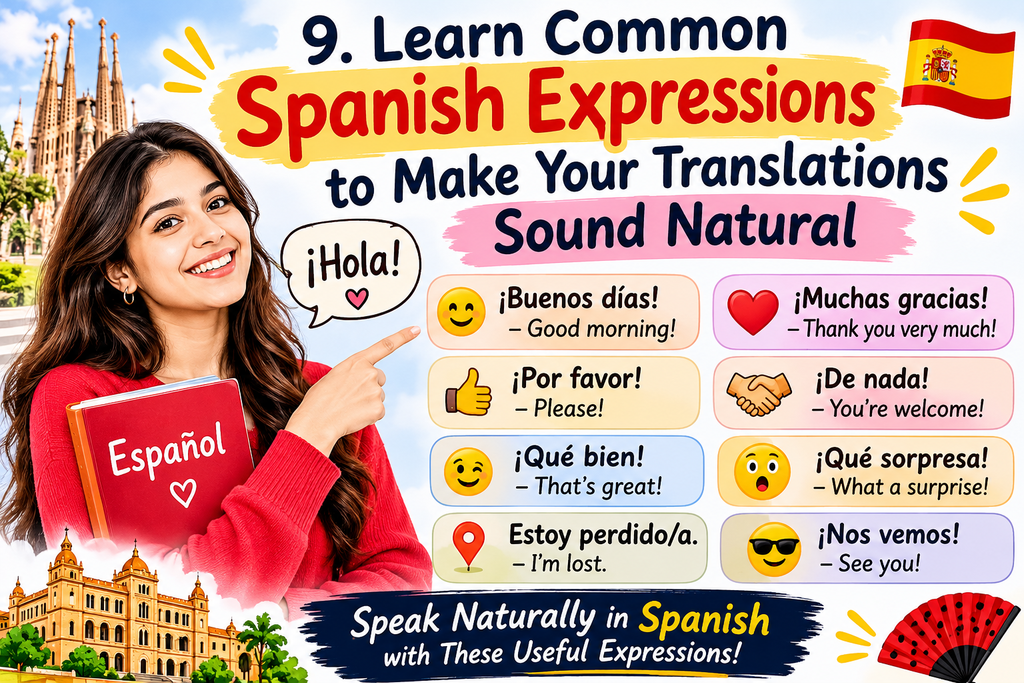
Translating English sentences word by word does not always Spanish produce natural Spanish. Some expressions have different meanings depending on the situation, so it is important to understand how native Spanish speakers communicate in everyday conversations.
Learning common expressions will help you translate greetings, questions, requests, and everyday statements more accurately.
Here are some useful examples:
| English Expression | Spanish Expression |
|---|---|
| Nice to meet you | Mucho gusto |
| No problem | No hay problema |
| I don’t understand | No entiendo |
| Can you help me? | ¿Puedes ayudarme? |
| I am in a hurry | Tengo prisa |
| Take care | Cuídate |
Try using these expressions while practising conversations, reading Spanish content, or watching Spanish-language videos. Pay attention to the situation in which each expression is used.
The more familiar you become with everyday Spanish phrases, the easier it will be to produce translations that sound clear, natural, and meaningful.
Conclusion
Learning to translate English sentences into Spanish does not have to be difficult. Spanish Start with everyday vocabulary, understand basic sentence structures, and practise using different verb tenses. Online translation tools can support your learning, but regular practice and grammar revision are equally important. With patience and consistent effort, you can improve your Spanish translation skills and communicate more naturally.
FAQ’s
1. How can I translate English sentences into Spanish easily?
Start with simple sentences, learn common Spanish vocabulary, and understand basic grammar. Online translators can also help you check your translations.
2. Which is the best free English-to-Spanish translator?
Google Translate, DeepL, and SpanishDict are useful options for translating English words and sentences into Spanish.
3. Can I translate complete English paragraphs into Spanish?
Yes, you can translate complete paragraphs using online tools. However, review grammar, vocabulary, and sentence structure to ensure accuracy.
4. How can beginners learn Spanish sentence structure?
Beginners should practise simple subject-verb-object sentences, study common verbs, and read basic Spanish conversations regularly.
5. How long does it take to improve English-to-Spanish translation skills?
It depends on your learning routine and practice. Regular vocabulary revision, grammar exercises, and daily sentence translation can help you improve gradually.
The Bloggometry team
Written and checked by the people who run Bloggometry.