

Translating English into Spanish is not just about replacing English words with their Spanish meanings. A good translation should communicate the same message, feeling, and intention as the original sentence. This is why context is so important in Spanish translation. Context helps translators understand how a word is being used, who is speaking, what situation they are discussing, and what message they want to deliver.
Many English words have multiple meanings, and the correct Spanish translation depends on the surrounding sentence. For example, the word “light” can refer to illumination, something that is not heavy, or a pale colour. Translating it without understanding the sentence can lead to mistakes.
Spanish also has different expressions for formal and informal conversations, regional language differences, and cultural phrases that cannot always be translated word for word. Understanding context helps you choose accurate vocabulary, build natural sentences, and maintain the original meaning.
Whether you are translating a simple message, a business email, educational content, or a longer article, paying attention to context can make your Spanish translation clearer and more useful.
1. Understand the Different Meanings of English Words
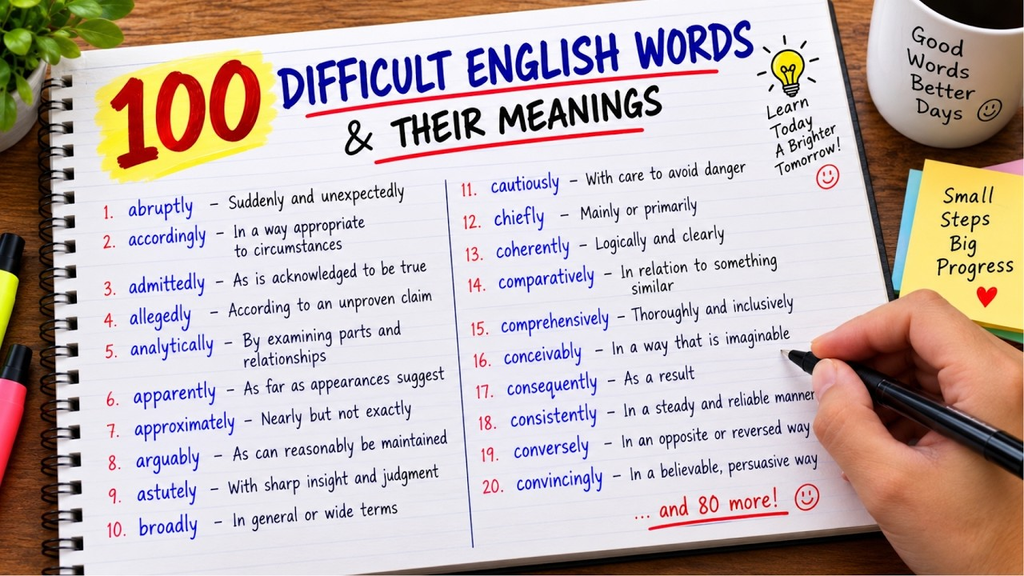
One of the biggest challenges in English-to-Spanish translation is that a single English word can have several meanings. The correct meaning becomes clear only when you understand the complete sentence.
For example, the English word “right” can refer to a correct answer, a direction, or a legal entitlement. Each meaning requires a different Spanish word.
- Right answer – Respuesta correcta
- Turn right – Gira a la derecha
- Human rights – Derechos humanos
- You are right – Tienes razón
These examples show why translators should not choose Spanish vocabulary by looking at individual words alone. They need to understand how the word functions in the sentence.
Before translating, read the complete sentence and identify its main idea. If a word has multiple meanings, check the surrounding words to understand which meaning makes sense.
How this helps your translation:
- Reduces incorrect word choices.
- Makes sentences easier to understand.
- Helps preserve the original message.
- Improves vocabulary knowledge.
- Prevents confusing translations.
2. Choose Between Formal and Informal Spanish
Context also helps determine whether a sentence should sound formal or informal. Spanish speakers use different forms of address depending on their relationship, age, social situation, and communication style.
For example, English uses the word “you” in most situations. Spanish has different forms, including tú and usted. The word ustedes is commonly used when addressing multiple people.
Consider these examples:
| English sentence | Spanish translation |
|---|---|
| How are you? (Informal) | ¿Cómo estás? |
| How are you? (Formal) | ¿Cómo está usted? |
| Where do you live? (Informal) | ¿Dónde vives? |
| Where do you live? (Formal) | ¿Dónde vive usted? |
Both formal and informal translations can be correct, but they are used in different situations.
For example, when translating a message to a close friend, an informal expression may sound natural. However, a business email or professional communication may require a more respectful form.
Tips for choosing the right tone:
- Identify the person receiving the message.
- Understand whether the situation is professional or personal.
- Use informal expressions for suitable casual conversations.
- Choose respectful language when the situation requires it.
- Maintain the same tone throughout the translation.
3. Understand the Purpose of the Original Sentence

1. Identify the Message
Understand what the sentence wants to say.
💡 Trick – Tap
Read the full sentence before translating.

2. Recognise the Purpose
Know whether the sentence informs or requests.
💡 Trick – Tap
Identify the sentence type first.

3. Choose the Right Words
Select Spanish words that fit the situation.
💡 Trick – Tap
Avoid translating every word separately.

4. Keep the Meaning Clear
Make sure the Spanish sentence keeps the original message.
💡 Trick – Tap
Read your translation aloud to check clarity.
Every sentence has a purpose. Some sentences provide information, while others ask questions, give instructions, express emotions, or persuade someone to take action.
Understanding this purpose helps you choose the right Spanish structure and vocabulary.
For example, consider the sentence “Can you open the window?”
Depending on the situation, it could be a polite request or a question about someone’s ability.
- Direct question: ¿Puedes abrir la ventana?
- More polite request: ¿Podrías abrir la ventana?
Both expressions are useful, but they communicate slightly different levels of politeness.
The same principle applies to advertisements, instructions, educational content, and professional documents. A promotional sentence may need energetic wording, while an instruction should be clear and direct.
What to check before translating:
- Is the sentence asking a question?
- Is it giving information?
- Is it making a request?
- Is it expressing an emotion?
- Is it trying to convince the reader?
Understanding the purpose helps you produce a Spanish translation that communicates the intended message instead of simply copying the English structure.
4. Translate Idioms and Common Expressions Correctly
Idioms are expressions whose meanings cannot always be understood by translating their individual words. They are closely connected to everyday language and culture.
A word-for-word translation of an English idiom can sound confusing or unnatural in Spanish. Instead, translators should understand the intended meaning and find an equivalent Spanish expression.
For example:
| English expression | Natural Spanish expression |
|---|---|
| It’s raining cats and dogs. | Está lloviendo a cántaros. |
| Break a leg! | ¡Mucha suerte! |
| I’m feeling under the weather. | No me siento bien. |
| It’s a piece of cake. | Es pan comido. |
Notice that the Spanish expressions do not always use the same words as their English versions. They communicate the same general idea through natural Spanish wording.
This is especially important when translating conversations, entertainment content, social media posts, and informal articles.
How to translate idioms naturally:
- Learn the actual meaning of the expression.
- Avoid translating every word separately.
- Look for a commonly used Spanish equivalent.
- Consider the situation and audience.
- Read the translated sentence to check whether it sounds natural.
5. Consider Cultural Differences in Spanish-Speaking Countries
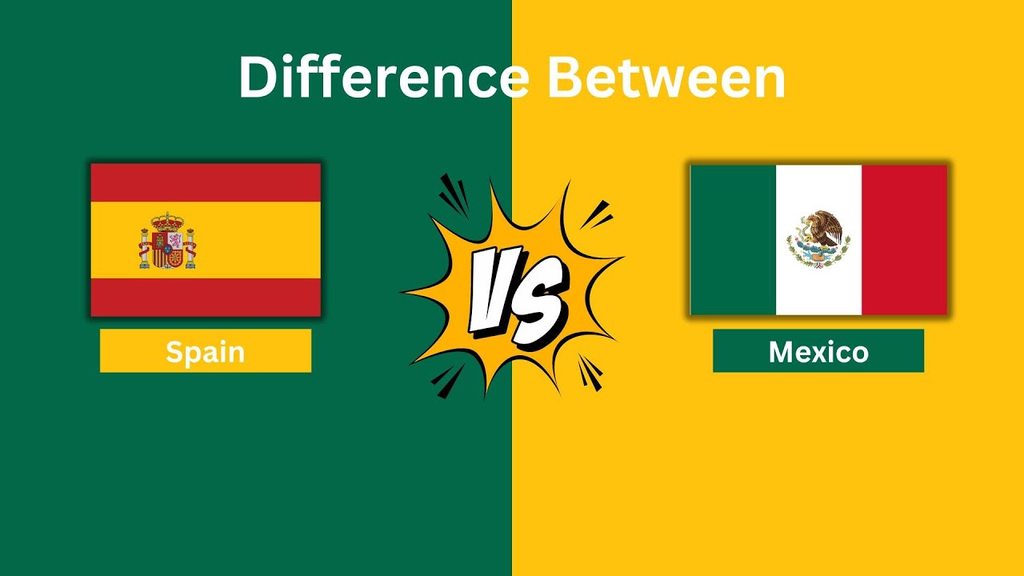
Language and culture are closely connected. Spanish is spoken in many countries, including Spain, Mexico, Colombia, Argentina, and Peru. Although people in these countries share the Spanish language, some vocabulary, expressions, and communication styles can differ.
For example, everyday words may vary by region:
| English | Spain | Mexico |
|---|---|---|
| Car | Coche | Carro |
| Computer | Ordenador | Computadora |
| Bus | Autobús | Camión |
| Mobile phone | Móvil | Celular |
These differences show why translators should understand the target audience before choosing vocabulary.
A translation intended for readers in Spain may use different everyday words from one written for a Mexican audience. Using regionally appropriate expressions can make content feel more familiar and natural.
Cultural awareness is also important when translating greetings, celebrations, professional messages, and social expressions.
Ways to handle cultural differences:
- Identify the country or region of the target audience.
- Learn commonly used regional vocabulary.
- Avoid unfamiliar expressions when a simpler alternative exists.
- Research cultural references before translating them.
- Choose language that suits local readers.
6. Maintain the Original Tone and Emotion
A sentence does more than communicate information. It can also express happiness, sadness, excitement, disappointment, politeness, or urgency.
A good Spanish translation should preserve these feelings whenever possible.
For example, consider the sentence “I’m so happy to see you!”
A natural Spanish translation is ¡Estoy muy feliz de verte!
If the translator removes the emotional strength and uses a very neutral expression, the message may lose some of its original feeling.
Tone is especially important when translating:
- Personal letters and messages.
- Customer service conversations.
- Marketing content.
- Social media posts.
- Reviews and recommendations.
- Professional emails.
For example, a friendly product description should not suddenly sound overly formal in Spanish. Similarly, a serious business notice should not become too casual.
Read the original sentence carefully and identify its emotional purpose before choosing the Spanish expression. This simple habit can make your translations feel more natural and consistent.
7. Use the Surrounding Sentences to Understand Meaning

1. Read First
Read the full paragraph.
💡 Trick
Never translate too quickly.

2. Find Clues
Look for nearby words.
💡 Trick
Use clues to understand meaning.

3. Check Pronouns
Identify who or what is mentioned.
💡 Trick
Check what “it” refers to.

4. Follow Ideas
Connect sentences together.
💡 Trick
Notice how each idea connects.

5. Choose Meaning
Select suitable Spanish words.
💡 Trick
Avoid word-for-word translation.

6. Review Again
Check the complete meaning.
💡 Trick
Read your Spanish version again.
Sometimes, one sentence does not provide enough information to understand the correct meaning of a word or phrase. In such cases, the sentences before and after it can provide useful clues.
For example, imagine reading this sentence:
“She left it on the table.”
Without additional information, the word “it” is unclear. It could refer to a book, a phone, a letter, or another object.
Reading the previous sentence may explain exactly what the speaker is discussing. This information helps you choose suitable Spanish vocabulary and maintain clarity.
The same method is useful when translating longer paragraphs and articles.
Follow these steps:
- Read the complete paragraph before translating.
- Identify the subject of the discussion.
- Check what pronouns such as he, she, it, and they refer to.
- Understand how each sentence connects to the next.
- Translate the paragraph while maintaining its original meaning.
Looking at the surrounding sentences also helps you avoid unnecessary repetition and confusing word choices.
8. Pay Attention to Spanish Grammar and Sentence Structure
Context helps you understand the meaning of a sentence, but correct grammar is equally important for producing a natural Spanish translation.
Spanish sentence structure is sometimes different from English. Although both languages commonly use a Subject + Verb + Object pattern, Spanish allows certain words and sentence elements to be arranged differently.
For example:
- English: I eat an apple.
- Spanish: Como una manzana.
In Spanish, the subject pronoun yo is often omitted because the verb form already indicates who performs the action.
Another important difference is adjective placement. In many common Spanish sentences, adjectives appear after the noun.
For example:
- English: A beautiful house.
- Spanish: Una casa bonita.
Gender and number agreement also matter. A Spanish adjective generally needs to match the noun it describes.
For accurate translations, check:
- Subject and verb agreement.
- Correct verb tense.
- Masculine and feminine forms.
- Singular and plural forms.
- Adjective placement.
- Appropriate punctuation and accents.
Understanding the context makes it easier to identify which grammatical structure fits the intended message.
9. Select the Correct Verb Tense
Verb tense plays an important role in Spanish translation because it tells readers when an action happens. Context helps translators decide whether a sentence refers to the past, present, or future.
For example, the English sentence “I work every day” describes a regular activity. Its Spanish translation is Trabajo todos los días.
However, “I worked yesterday” refers to a completed past action and becomes Trabajé ayer.
Similarly, “I will work tomorrow” expresses a future action and can be translated as Trabajaré mañana.
Time-related expressions provide useful clues when choosing the correct tense.
| English time expression | Spanish meaning |
|---|---|
| Today | Hoy |
| Yesterday | Ayer |
| Tomorrow | Mañana |
| Every day | Todos los días |
| Last week | La semana pasada |
Do not select a verb tense based only on one word. Read the complete sentence and understand whether the action is completed, ongoing, repeated, or expected to happen.
Regular practice with verb tenses will help you translate more accurately and avoid confusing readers.
10. Use Translation Tools Without Ignoring Context
Online translation tools and dictionaries can make English-to-Spanish translation easier. They are useful for checking unfamiliar vocabulary, comparing expressions, and understanding basic sentence structures.
However, automatic translation tools may not always understand the full context of a sentence. They can sometimes choose an incorrect meaning, miss cultural expressions, or produce unnatural wording.
To use translation tools effectively:
- Translate short sentences first.
- Compare different word meanings in a reliable dictionary.
- Check whether the suggested phrase suits the situation.
- Review formal and informal language choices.
- Verify grammar and verb tenses.
- Read the complete translated paragraph before using it.
For example, if a tool translates an English idiom literally, check whether Spanish speakers use a different expression for the same meaning.
Translation tools should support your understanding rather than replace it. Your own judgment is important when deciding whether a translation communicates the correct message.
11. Practise Context-Based Translation Every Day

The best way to understand context in Spanish translation is through regular practice. Instead of translating isolated vocabulary all the time, work with complete sentences, short paragraphs, conversations, and everyday situations.
Choose simple English content and try translating it into Spanish. Then review your work to identify incorrect word choices, grammar mistakes, and unnatural expressions.
You can also practise translating the same sentence in different situations.
For example:
English: I need your help.
- Informal Spanish: Necesito tun ayuda.
- Formal Spanish: Necesito su ayuda.
Both translations communicate the same basic message, but the situation determines which version is more appropriate.
Simple daily practice ideas:
- Translate five everyday sentences.
- Read short Spanish articles.
- Practise formal and informal conversations.
- Learn common Spanish expressions.
- Compare translations with dictionary examples.
- Rewrite sentences using natural Spanish vocabulary.
- Review mistakes and understand why they happened.
Try to practise with different types of content, such as emails, stories, instructions, product descriptions, and everyday conversations. This will help you understand how context changes vocabulary and sentence structure.
Conclusion
Context is one of the most important parts of accurate Spanish translation. It helps you understand the real meaning of words, choose appropriate expressions, maintain the original tone, and avoid confusing word-for-word translations.
By paying attention to cultural differences, sentence purpose, grammar, verb tenses, and surrounding sentences, you can create Spanish translations that sound clear and natural. Translation tools can support your learning, but understanding the situation and intended message remains essential.
With regular practice and careful reading, you can gradually improve your English-to-Spanish translation skills and communicate more confidently with Spanish-speaking audiences.
FAQ’s
1. Why is context important in Spanish translation?
Context helps understand the correct meaning of words and makes Spanish translations more accurate.
2. Can one English word have different Spanish meanings?
Yes. An English word can have different Spanish translations depending on the sentence and situation.
3. How does context improve translation accuracy?
It helps translators choose suitable words, grammar, and expressions based on the original message.
4. Are online Spanish translation tools always accurate?
No. Translation tools can miss cultural meanings, idioms, and the intended tone of a sentence.
5. How can I improve my Spanish translation skills?
Practise daily, learn common expressions, study grammar, and always consider the context.
The Bloggometry team
Written and checked by the people who run Bloggometry.