
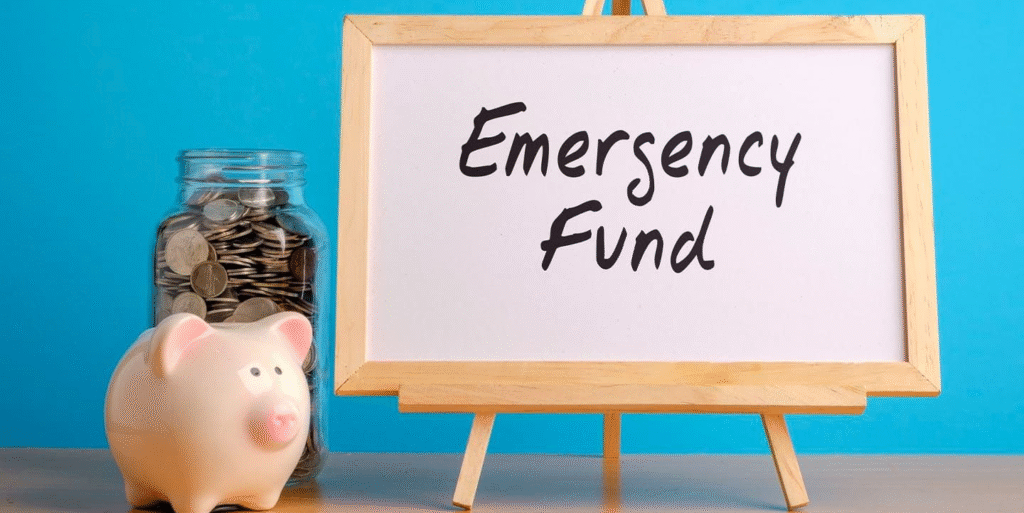
Life has a habit of throwing expensive curveballs at the worst possible moments. Emergency Fund Your car’s alternator dies on a Tuesday, your tooth suddenly needs a root canal, or your company announces a surprise round of layoffs.
When you don’t have a cash buffer, these moments turn into genuine, sleep-depriving crises. You end up maxing out credit cards, asking family for loans, or raiding investments you meant to leave untouched.
An emergency fund changes all of that. It isn’t exciting, and it won’t make you rich, but it turns high-stakes financial panics into minor, manageable annoyances. Here is how to build one step by step, even if money feels tight right now.
What Actually Counts as an Emergency Fund?

Before setting aside a single rupee, it helps to draw a firm line around what this money is actually for. Human nature makes it very easy to convince ourselves that a flash sale on a phone or an last-minute weekend trip is a “rare opportunity” worth dipping into savings for.
This money is strictly for staying afloat when things go wrong:
- Sudden job loss or a drop in freelance income
- Urgent medical or dental bills not covered by insurance
- Essential home repairs (a leaking roof, broken plumbing)
- Critical vehicle maintenance if you need your car/bike for work
- Unplanned travel for a family emergency
If an expense is predictable—like annual car insurance, festival gifts, or a friend’s wedding—it doesn’t belong here. Those should be budgeted separately.
The Step-by-Step Plan Emergency Fund

Aim Small Before Going Big
Financial advisors love telling people to save six months of living expenses right out of the gate. For most people, that number is so intimidating they never even start.
Forget six months for now. Focus on a micro-goal: ₹10,000 to ₹15,000.
Having just that much cash sitting in reserve covers the vast majority of day-to-day hiccups—like a broken appliance or a tire replacement. Hitting that first milestone gives you a quick win and momentum.
Calculate Your Bare-Bones Monthly Spend
Once you hit your mini-target, calculate what it actually costs you to survive for one month. Skip the luxury spending here—this isn’t what you spend on a good month, but what you must pay to keep a roof over your head and food on the table.
Add up:
- Rent or home loan EMI
- Essential groceries (not dining out)
- Utilities (electricity, water, internet)
- Basic transport/fuel costs
- Insurance premiums
- Minimum debt repayments
Multiply that bare-bones number by 3 to 6 months depending on your situation. If you have a stable job with low overhead, 3 months might be fine. If you’re a freelancer, sole earner, or work in a volatile industry, lean closer to 6 months.
Give the Money Its Own Home

If your emergency stash sits in your primary checking or salary account, you will spend it. It’s too easy to accidentally swipe that debit card or transfer funds when checking your balance.
Open a completely separate high-yield savings account at a different bank. Look for:
- No monthly maintenance fees
- Quick withdrawal access (instant online transfers)
- A decent interest rate so inflation doesn’t eat it up too quickly
Do not lock this money into long-term fixed deposits with heavy withdrawal penalties, and definitely keep it out of the stock market. You need liquidity and capital preservation, not high returns.
Put Your Savings on Autopilot
Treat your emergency fund like a non-negotiable monthly bill. Set up an automatic transfer from your primary account to your emergency account for the day after your salary hits.
If you try to save “whatever is left over at the end of the month,” you’ll quickly realize there’s almost never anything left over. Save first, then adjust your spending around what remains.
Start Ridiculously Small if Needed
If your budget is stretched razor-thin, don’t throw in the towel. Start by saving ₹500 a week or ₹1,000 a month.
Consistency beats intensity every time. Getting into the habit of setting money aside every single payday builds the muscle. As you get a raise, cut a subscription, or finish paying off a loan, roll that extra cash directly into your emergency buffer.
Simple Ways to Speed Up the Process

- Redirect “Found” Money: Whenever you receive unexpected cash—a work bonus, a tax refund, cashback, or cash gifts—put at least 50% of it straight into your emergency fund.
- Audit Your Recurring Subscriptions: Take twenty minutes to review your bank statements from the last three months. Cancel the streaming apps you barely watch, the gym membership you aren’t using, or software subscriptions you forgot about. Put those savings on auto-transfer.
- Declutter for Cash: Sell old electronics, furniture, or clothes you no longer use on local marketplaces. Moving that clutter out of your home can jumpstart your fund with a few thousand rupees instantly.
How You’ll Know It’s Working

Building a safety net isn’t just about the balance in a bank account—it fundamentally changes how you go through life.
You’ll know the habit has taken root when a sudden repair bill stops feeling like a tragedy and starts feeling like a minor inconvenience. You stop worrying about how you’ll pay rent if your paycheck is a few days late, and you gain the freedom to make career and life decisions from a place of stability rather than desperation.
Start with whatever amount you can spare today. Your future self will thank you.
Conclusion
Building an emergency fund is one of the smartest financial decisions you can make. It provides stability, reduces stress, and helps you navigate life’s unexpected events without falling into debt. You don’t need to save a large amount overnight. Start with a realistic goal, automate your savings, spend wisely, and stay consistent. Every contribution brings you closer to greater financial confidence and peace of mind. Remember, financial security is built one step at a time. The best day to start your emergency fund is today