
Daily meditation is a simple wellness practice that can help you slow down, manage everyday stress, and become more aware of your thoughts and emotions. In a busy lifestyle filled with work, responsibilities, and digital distractions, taking a few minutes to sit quietly and focus on the present moment can support a healthier mind and a more balanced routine.
Meditation does not require special equipment, expensive classes, or hours of practice. Beginners can start with just five minutes a day and gradually increase the duration as they become more comfortable. With regular practice, meditation may support emotional well-being, concentration, relaxation, and healthy sleep habits.
In this guide, we will explore the best daily benefits for your mind, body, and overall well-being, along with practical techniques and tips to help you build a consistent routine.
What Is Daily Meditation?
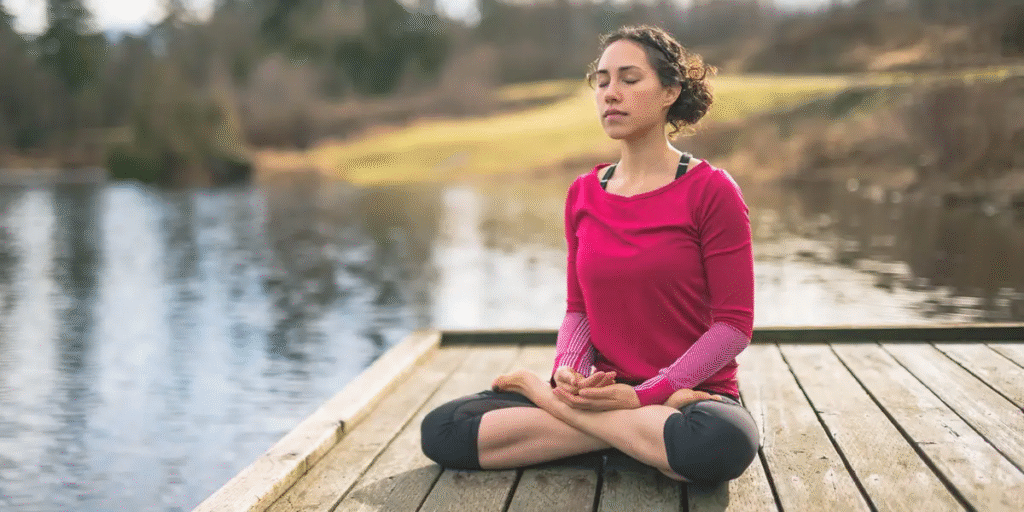
Daily meditation is the practice of setting aside time to focus your attention and become more aware of your thoughts, feelings, breathing, or surroundings. Instead of trying to stop every thought, encourages you to notice what is happening without immediately judging or reacting to it.
There are several types of meditation, including mindfulness meditation, breathing meditation, guided meditation, loving-kindness meditation, and body scan meditation. Each approach offers a different way to develop awareness and relaxation.
The goal is not to achieve a completely empty mind. It is to practise returning your attention to the present moment whenever your thoughts wander.
10 Best Daily Meditation Benefits for Your Mind, Body, and Well-Being
1. Helps Manage Everyday Stress
One of the most recognised benefits of meditation is its potential to help manage stress. Daily responsibilities, deadlines, and personal challenges can leave you feeling mentally overwhelmed. Meditation gives you a dedicated moment to pause, observe your thoughts, and respond more calmly.
Mindfulness practices may help people become less reactive to stressful situations. Even a short breathing session can provide a useful break during a demanding day.
How to practise: Sit comfortably, breathe naturally, and focus on the sensation of each breath. When your attention moves to a worry or task, gently bring it back to your breathing.
2. Supports Emotional Well-Being
Meditation can help you become more aware of your emotions and recognise patterns in your thoughts. Instead of immediately reacting to frustration, worry, or disappointment, you can practise noticing these feelings and giving yourself time to respond thoughtfully.
Regular mindfulness practice may support emotional regulation and help some people manage symptoms of anxiety or low mood. However, is not a replacement for professional mental health care when it is needed.
How to practise: Spend five minutes noticing how you feel without labelling your emotions as good or bad. Allow your feelings to be present while keeping your attention on your breathing.
3. Improves Focus and Concentration
Frequent notifications, social media, and multitasking can make it difficult to concentrate. Meditation trains you to notice when your attention wanders and gently return it to one point of focus.
Over time, this practice may help you become more aware of distractions and improve your ability to focus during everyday activities.
How to practise: Choose a quiet place and focus on your breathing for five to ten minutes. Each time your mind wanders, return your attention to the breath without criticising yourself.
4. May Support Better Sleep
A busy mind can make it difficult to relax at bedtime. Meditation may help create a calming transition between daytime responsibilities and nighttime rest by encouraging slower, more deliberate attention to the present moment.
Relaxation and mindfulness techniques may be helpful for some people who experience sleep difficulties, although results vary.
How to practise: Before bed, try a short guided meditation or body scan. Notice sensations in your feet, legs, shoulders, and face, allowing each area to relax naturally.
5. Encourages Mind-Body Awareness
Meditation can help you notice physical sensations such as muscle tension, shallow breathing, or restlessness. Becoming more aware of these signals may encourage you to pause, adjust your posture, or take a break when needed.
This awareness can be useful during long working hours, when people may overlook physical discomfort while concentrating on tasks.
How to practise: Try a body scan meditation. Slowly move your attention from your feet to your head, observing sensations without trying to change them.
6. Promotes Relaxation
Meditation creates an opportunity to step away from constant activity and focus on the present moment. For some people, this practice encourages a feeling of calm and makes it easier to unwind after a demanding day.
Relaxation may also be supported by slow, comfortable breathing and a quiet environment. You do not need to force yourself to feel peaceful; simply making time to pause can be valuable.
How to practise: Sit in a comfortable position, relax your shoulders, and breathe naturally. Avoid forcing deep breaths or holding your breath if it feels uncomfortable.
7. May Help Reduce Negative Thought Patterns
It is normal to revisit difficult conversations, worry about the future, or think repeatedly about past mistakes. Meditation can help you notice these patterns without automatically following every thought.
With practice, you may learn to recognise a thought as a mental event rather than something that requires an immediate reaction. This can create more space for thoughtful decision-making.
How to practise: When a thought appears, silently acknowledge it as “thinking” and return your attention to your breath. Be patient if the same thoughts return repeatedly.
8. Supports Self-Awareness
Daily meditation gives you time to observe your habits, emotional responses, and reactions. This awareness may help you identify situations that trigger stress or behaviours that do not support your well-being.
Self-awareness can also help you make more deliberate choices about how you spend your time and respond to other people.
How to practise: After meditating, spend a minute reflecting on how you feel. You can write down one observation about your mood, attention, or energy level.
9. Encourages a Healthier Daily Routine
Building a meditation habit can create a regular pause in your day. When combined with other healthy habits, such as physical activity, balanced meals, sufficient sleep, and social connection, meditation can become part of a broader wellness routine.
Consistency is generally more useful for building a habit than trying to complete a long session occasionally.
How to practise: Attach meditation to an existing activity, such as after waking up, before starting work, or after your evening shower.
10. Helps You Respond More Mindfully
Meditation encourages you to pay attention to the present instead of operating entirely on autopilot. This awareness can be applied to everyday activities, including eating, walking, listening, and communicating.
Mindful awareness may help you pause before reacting and consider your response more carefully. It does not mean that you will never feel frustrated or distracted; it means practising a different way of responding.
How to practise: During one daily activity, such as eating breakfast or walking outdoors, pay attention to your surroundings and physical sensations instead of immediately reaching for your phone.
Different Types of Daily Meditation to Try Every Day

Choosing a meditation style that feels comfortable can make it easier to develop a consistent habit.
Mindfulness Meditation
Mindfulness meditation involves paying attention to the present moment, including your thoughts, emotions, and surroundings, without judging them immediately. It is a useful starting point for people who want to develop greater awareness.
Breathing Meditation
Breathing meditation focuses your attention on the natural rhythm of inhaling and exhaling. It can be practised almost anywhere and does not require special equipment.
Guided Meditation
Guided uses spoken instructions from a teacher or recording to help you focus, relax, or follow a particular practice. Beginners may find it easier than meditating in silence.
Body Scan Meditation
Body scan meditation involves slowly directing your attention to different parts of the body. It can help you notice tension and physical sensations, making it a useful option for relaxation.
Loving-Kindness Meditation
Loving-kindness meditation involves silently repeating phrases that express goodwill toward yourself and others. It may help you practise compassion, patience, and a more accepting attitude.
How to Start a Daily Meditation Routine
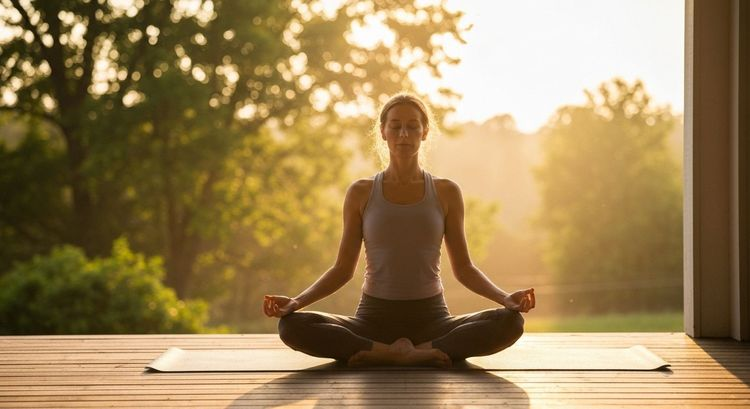
You do not need to meditate for a long time to begin. Follow these simple steps to make meditation part of your everyday life.
Step 1: Choose a comfortable place
Find a quiet spot where you can sit comfortably for a few minutes. A chair, cushion, or yoga mat is sufficient.
Step 2: Set a realistic time
Begin with three to five minutes each day. Increase the duration gradually if it feels comfortable rather than forcing yourself to sit for too long.
Step 3: Focus on your breathing
Notice the air moving in and out. You do not need to control every breath; simply observe its natural rhythm.
Step 4: Gently return your attention
Thoughts and distractions are normal. When you notice your mind wandering, acknowledge it and bring your attention back without frustration.
Step 5: Practise consistently
Choose a regular time that suits your lifestyle. Notice how the practice feels over time without expecting immediate or identical results every day.
A Simple 5-Minute Daily Meditation Routine
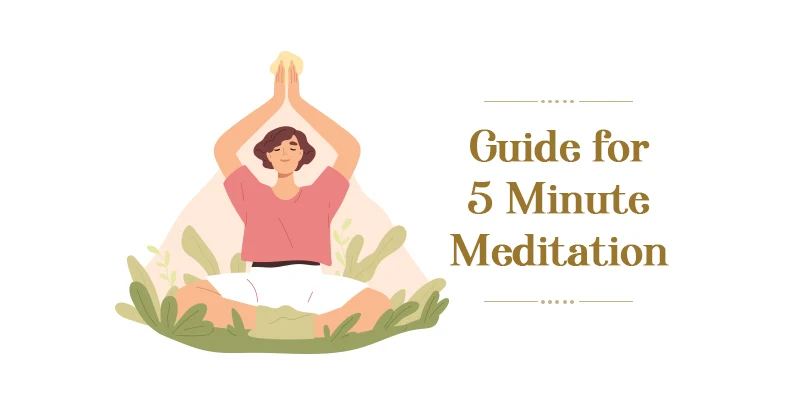
Use this beginner-friendly routine when you need a short break during your day.
Minute 1: Settle in
Sit comfortably, relax your shoulders, and notice the support beneath you.
Minutes 2–3: Focus on your breath
Observe each inhalation and exhalation. Let your breathing remain natural.
Minute 4: Notice your thoughts
Allow thoughts and feelings to come and go without needing to solve everything immediately.
Minute 5: Return to the present
Notice your body and surroundings, then gently resume your day.
Best Time to Meditate: Morning or Evening?
The best time to meditate is the time you can practise consistently. Both morning and evening sessions can fit into a healthy routine.
- Morning meditation: May help you begin the day with a deliberate pause before work, messages, and other responsibilities.
- Afternoon meditation: Can provide a short break between tasks and give you an opportunity to refocus.
- Evening meditation: May help you unwind after a busy day and transition into a relaxing bedtime routine.
Experiment with different times and choose the one that feels most practical for your schedule.
Common Daily Meditation Mistakes to Avoid
Beginners sometimes stop meditating because they expect immediate results or believe they are doing it incorrectly. Avoid these common mistakes:
- Trying to stop every thought: Meditation is about noticing thoughts and returning your attention, not forcing your mind to become completely empty.
- Starting with sessions that are too long: Begin with a few minutes and build gradually.
- Expecting instant benefits: Changes in awareness and relaxation vary from person to person.
- Judging your experience: Some sessions may feel calm, while others may feel distracting. Both are normal.
- Being inconsistent: A short, manageable practice may be easier to maintain than an ambitious routine.
- Ignoring discomfort: Adjust your posture or stop if you feel physical discomfort. If meditation causes significant distress, try a gentler approach or seek guidance from a qualified professional.
Tips to Make Meditation a Daily Habit
A few simple changes can help you make meditation a regular part of your wellness routine.
- Choose a specific time each day.
- Start with a short session that feels manageable.
- Find a quiet and comfortable place.
- Use a guided meditation if you prefer spoken instructions.
- Keep your phone on silent to reduce distractions.
- Connect meditation with an existing habit, such as your morning tea or evening routine.
- Focus on consistency rather than perfection.
- Be patient and allow yourself time to become familiar with the practice.
Remember that meditation is a personal practice. You do not need to follow someone else’s routine to benefit from developing greater awareness.
Is Daily Meditation Suitable for Everyone?

Many people can explore meditation safely, but the experience is not the same for everyone. Some individuals may find that focusing inward brings up uncomfortable thoughts, memories, or emotions. If this happens, try keeping your eyes open, focusing on sounds in your environment, shortening the session, or choosing a guided practice.
If meditation repeatedly causes distress, stop the practice and consider speaking with a qualified mental health professional. Meditation can complement appropriate care, but it should not replace necessary medical or psychological treatment.
Frequently Asked Questions
1. What are the main benefits of daily meditation?
Daily meditation may help manage stress, support emotional well-being, improve awareness and concentration, and encourage relaxation. Benefits vary depending on the person and the type of practice.
2. How long should beginners meditate each day?
Beginners can start with three to five minutes daily and gradually increase the duration as they become comfortable. A short, consistent practice is a practical starting point.
3. Is it better to meditate in the morning or at night?
Both times can work. Morning meditation offers a quiet start to the day, while evening meditation may help you unwind. Choose the time that best fits your routine.
4. Can meditation help reduce stress?
Meditation may help people respond more mindfully to stressful situations and support stress management. It is not a guaranteed solution, and individual experiences vary.
5. What is the easiest type of meditation for beginners?
Breathing meditation is a simple option. Sit comfortably, notice your natural breathing, and gently return your attention whenever your mind wanders.