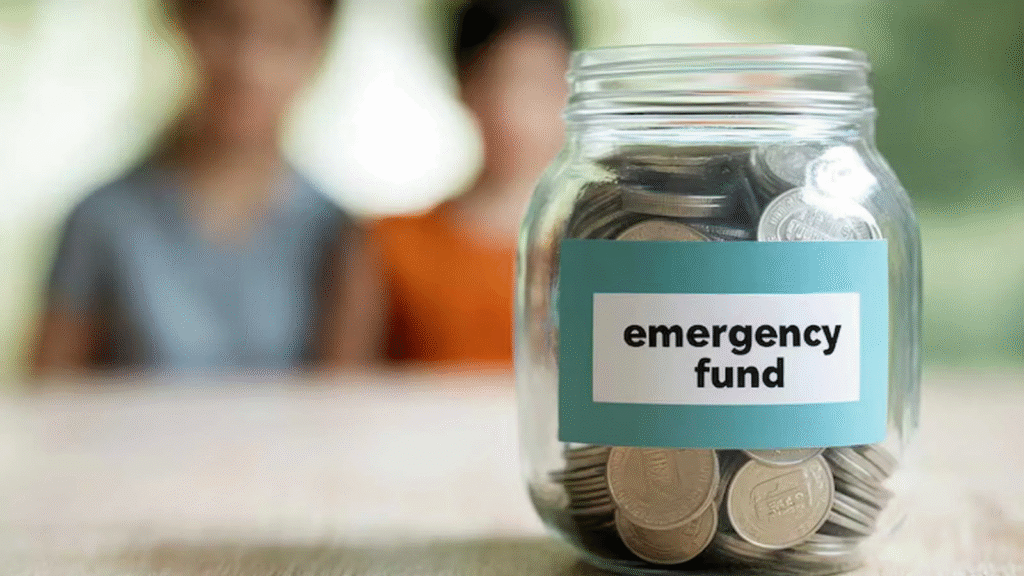
Unexpected expenses can happen at any time. Emergency A sudden medical bill, car repair, job loss, home maintenance issue, or urgent family expense can affect your monthly budget and create financial stress. Even people who manage their money carefully may face situations they have not planned for.
This is where emergency savings become important. An emergency fund is money kept aside specifically for unexpected and essential expenses. It provides financial support when something goes wrong and helps you avoid depending entirely on credit cards, personal loans, or borrowed money.
Building emergency savings does not require a large income. You can start with small amounts, save regularly, and gradually increase your balance as your financial situation improves.
In this guide, we will explain why emergency savings matter, how much money you should save, where to keep your emergency fund, and practical ways to prepare for unexpected expenses.
1. What Are Emergency Savings?
Emergency savings are funds set aside to cover necessary expenses that arise unexpectedly. Unlike regular savings for shopping, holidays, or planned purchases, this money is reserved for situations that require immediate financial attention.
For example, imagine your refrigerator suddenly stops working or you need urgent medical treatment. If you have emergency savings, you can manage these expenses without disturbing your regular monthly budget too much.
Common situations where emergency savings may be useful include:
- Unexpected medical or hospital expenses.
- Sudden job loss or reduced income.
- Urgent home repairs, such as plumbing or electrical problems.
- Essential vehicle repairs.
- Emergency travel for family reasons.
- Unexpected insurance deductibles or uncovered expenses.
- Temporary loss of business income.
The main purpose of emergency savings is to provide financial stability when life does not go according to plan.
2. Why Is an Emergency Fund Important?
An emergency fund is an important part of personal financial planning. It helps you handle unexpected situations without putting unnecessary pressure on your finances.
Here are some major benefits:
Financial Protection
Emergency savings give you money to handle essential expenses when unexpected situations arise. This can reduce the need to borrow money or use high-interest credit.
Reduced Financial Stress
Unexpected bills can be stressful, especially when your monthly income is already allocated to rent, groceries, education, and other responsibilities. Having savings available can make these situations easier to manage.
Protection Against Debt
Without emergency savings, people may depend on credit cards, personal loans, or borrowing from others. An emergency fund can help reduce this dependence and prevent unnecessary interest payments.
Support During Job Loss
If you lose your job or experience a temporary reduction in income, emergency savings can help cover essential expenses while you search for another opportunity.
Better Financial Independence
Having money reserved for emergencies gives you more control over financial decisions. You may be able to handle urgent expenses without immediately depending on family members or external financial support.
3. How Much Money Should You Save for Emergencies?
There is no single emergency savings amount that works for everyone. Your ideal savings target depends on your monthly expenses, income stability, family responsibilities, and existing financial commitments.
A commonly used personal finance guideline is to build an emergency fund covering three to six months of essential living expenses.
For example, if your necessary monthly expenses are $2,000, your emergency savings target could be:
| Coverage period | Savings target |
|---|---|
| 1 month | $2,000 |
| 3 months | $6,000 |
| 4 months | $8,000 |
| 6 months | $12,000 |
These are illustrative figures, not fixed requirements.
Factors That Affect Your Savings Target
- Job stability: People with irregular or uncertain income may need a larger emergency fund.
- Family responsibilities: Households supporting children, parents, or other dependants may need additional savings.
- Monthly expenses: Higher rent, loan payments, and essential bills increase the required fund.
- Health and insurance coverage: Potential out-of-pocket medical costs can affect your savings needs.
- Income sources: People with multiple reliable income sources may have different savings requirements from those relying on one income.
If saving three to six months of expenses feels difficult, start with a smaller goal, such as one month’s essential expenses. You can build towards a larger target over time.
4. Identify Your Essential Monthly Expenses
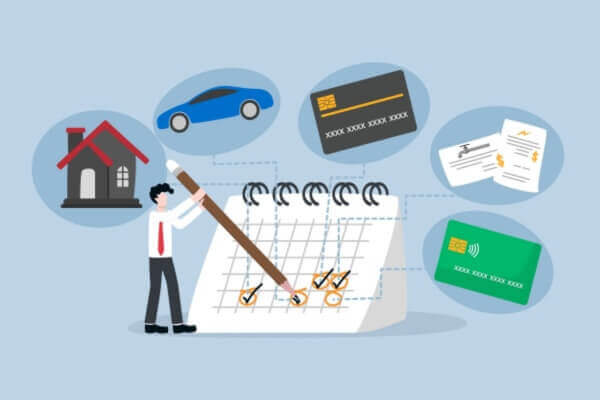
Before deciding how much to save, understand how much money you actually need to manage your basic living costs.
An emergency fund should generally be calculated using essential expenses rather than your entire monthly spending.
Consider including:
- Rent or home loan payments.
- Electricity, water, and internet bills.
- Groceries and basic household supplies.
- Essential transportation costs.
- Health insurance and necessary medical expenses.
- Minimum loan and debt payments.
- Childcare and education-related essentials.
You can exclude or reduce optional spending such as entertainment, shopping, subscriptions, dining out, and holidays when calculating your basic emergency fund requirement.
Example: If your monthly income is $4,000 but your essential expenses are $2,500, your three-to-six-month emergency savings target would be $7,500 to $15,000.
5. Create a Realistic Emergency Savings Goal
A clear savings goal makes it easier to track your progress and stay motivated. Instead of trying to save a large amount immediately, divide your target into smaller monthly or weekly goals.
For example, if your target is $3,000, you could follow this approach:
| Monthly savings | Time required |
|---|---|
| $100 | 30 months |
| $150 | 20 months |
| $200 | 15 months |
| $250 | 12 months |
| $300 | 10 months |
These calculations assume regular contributions without interest or withdrawals.
Choose an amount that fits your current income and expenses. It is better to save a manageable amount consistently than to set an unrealistic target and stop saving after a few months.
6. Open a Separate Savings Account

Keeping emergency savings separate from your everyday spending money can make it easier to protect your fund.
You can consider using a separate savings account that offers convenient access to your money while keeping it away from your regular shopping and bill payments.
Before choosing an account, consider:
- Account maintenance fees.
- Minimum balance requirements.
- Interest rates.
- Withdrawal restrictions.
- Deposit protection or applicable insurance.
- Access to funds during emergencies.
Avoid keeping your entire emergency fund in investments that may fluctuate in value or take time to convert into cash. The purpose of this money is accessibility and stability, not maximum investment returns.
7. Automate Your Savings
One of the easiest ways to build emergency savings is to make saving a regular habit. Instead of waiting until the end of the month to see how much money is left, set aside a fixed amount as soon as you receive your salary.
You can automate this process through your bank’s standing instructions or recurring transfers.
Here are some ways to make saving easier:
- Set up an automatic monthly transfer to your emergency savings account.
- Choose a fixed savings amount based on your income.
- Increase your contribution when your salary or income increases.
- Review your savings every month.
- Avoid withdrawing money for non-emergency purchases.
Even a small automatic contribution can help you develop a consistent saving habit.
8. Reduce Unnecessary Expenses to Save More
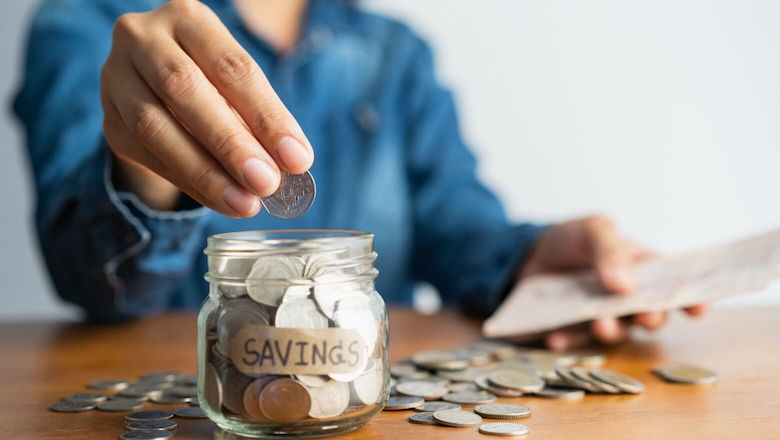
If you find it difficult to save money, reviewing your regular spending is a good place to start. Small expenses may seem insignificant individually, but they can add up over time.
You do not need to stop enjoying everything you like. Instead, identify areas where you can reduce spending without affecting your essential needs.
Try these practical ideas:
- Review subscriptions: Cancel streaming services, memberships, or apps you rarely use.
- Limit unnecessary shopping: Make a shopping list before purchasing items.
- Plan meals: Preparing meals at home can reduce frequent restaurant and takeaway expenses.
- Compare prices: Check prices before buying groceries, household products, and other essentials.
- Reduce impulse purchases: Give yourself time to consider non-essential purchases.
- Track daily spending: Record your expenses to understand where your money goes.
The money saved through these small changes can be transferred directly into your emergency fund.
9. Prepare for Unexpected Medical and Household Expenses
Medical and household emergencies can create sudden financial pressure. Preparing for these possibilities can help you manage unexpected costs more effectively.
Consider the following steps:
- Review your health insurance coverage and understand what expenses may not be covered.
- Keep important medical documents and insurance details organised.
- Check your home appliances and essential equipment regularly.
- Maintain your vehicle according to the manufacturer’s recommendations.
- Keep some savings accessible for urgent travel or family needs.
- Understand your insurance deductibles, exclusions, and claim procedures.
Remember that an emergency fund and insurance serve different purposes. Insurance can help cover eligible losses under a policy, while emergency savings can help pay for immediate expenses, uncovered costs, and other urgent needs.
10. Avoid Using Emergency Savings for Regular Shopping
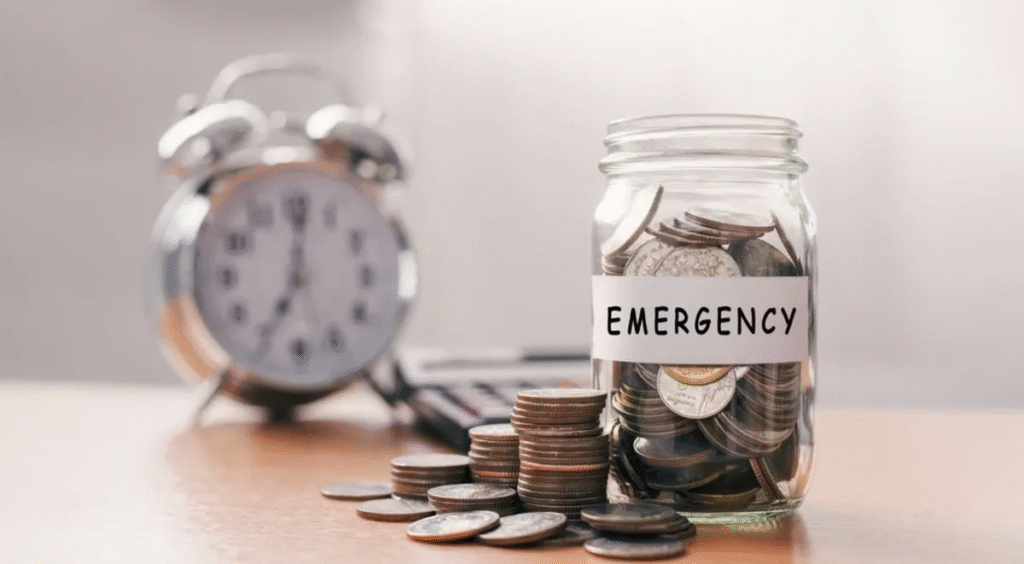
One common mistake people make is using their emergency fund for planned purchases or lifestyle expenses.
For example, buying a new smartphone, booking a holiday, purchasing expensive clothing, or upgrading furniture should generally be planned through separate savings goals.
To protect your emergency fund, establish clear rules about when you can use it.
Use emergency savings for situations such as:
- Sudden loss of employment.
- Urgent medical treatment.
- Essential home or vehicle repairs.
- Unexpected travel due to a family emergency.
- Temporary income disruption.
If you withdraw money for a genuine emergency, make rebuilding your savings a priority once your financial situation becomes stable again.
11. Build Your Emergency Fund Even on a Low Income
You do not need a high salary to begin preparing for unexpected expenses. The important thing is to start with an amount you can realistically afford.
If your income is limited, consider these approaches:
- Start by saving a small fixed amount every week.
- Save a portion of any additional income or bonus.
- Put occasional cash gifts into your emergency fund.
- Reduce one or two unnecessary monthly expenses.
- Avoid taking on new unnecessary debt.
- Increase your savings contribution gradually.
For example, if you save ₹500 every month, you will accumulate ₹6,000 in one year, excluding any interest. This may not cover every emergency, but it gives you a starting financial cushion.
Your savings amount can increase as your income improves.
12. Review and Rebuild Your Emergency Savings Regularly
How to Manage Money Better: Simple Habits for Financial Control and Stress-Free Living
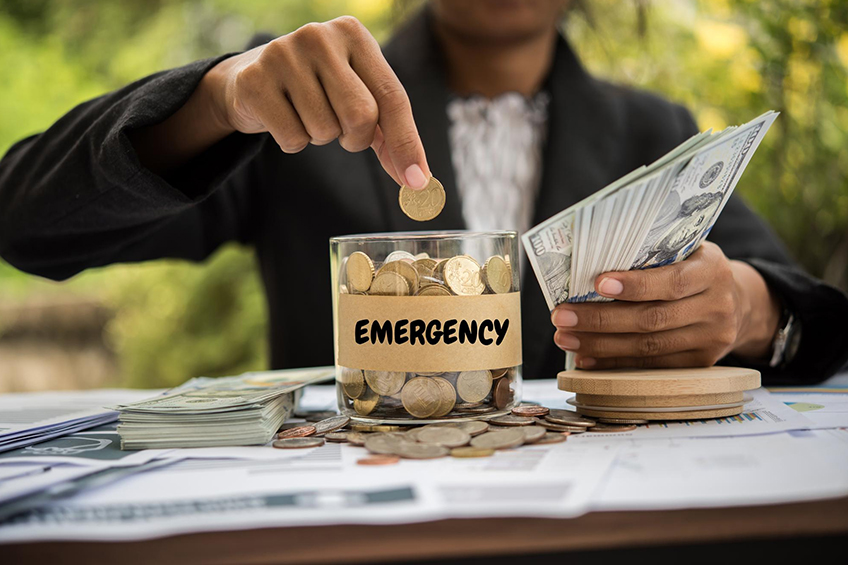
An emergency fund is not something you build once and forget. Your financial responsibilities may change over time, so your savings target should also be reviewed regularly.
For example, if you move to a new home, take on additional family responsibilities, or experience an increase in monthly expenses, you may need to increase your emergency savings target.
Make it a habit to:
- Review your savings balance every month.
- Recalculate your essential monthly expenses.
- Increase your savings target when necessary.
- Refill your fund after using it.
- Check whether your savings account still meets your needs.
Regular reviews help ensure that your emergency savings remain suitable for your current financial situation.
Common Emergency Savings Mistakes to Avoid
Even people who understand the importance of saving can make mistakes while building an emergency fund.
Here are some common mistakes to watch out for:
| Common mistake | How to avoid it |
|---|---|
| Waiting for a higher income | Start with a small amount today. |
| Saving without a clear target | Calculate essential monthly expenses first. |
| Using savings for shopping | Keep emergency and lifestyle savings separate. |
| Keeping all money in risky investments | Prioritise stability and easy access. |
| Forgetting to rebuild withdrawn money | Resume regular contributions after an emergency. |
| Ignoring changing expenses | Review your target periodically. |
| Setting unrealistic goals | Choose a manageable monthly contribution. |
Avoiding these mistakes can help you build a more reliable financial safety net.
Frequently Asked Questions
1. What are emergency savings?
Emergency savings are money set aside to cover unexpected essential expenses, such as medical bills, job loss, urgent repairs, or sudden family needs.
2. How much money should I keep in an emergency fund?
A commonly recommended target is three to six months of essential living expensecs. Your ideal amount depends on your income, job stability, family responsibilities, and financial commitments.
3. How can I start an emergency fund with a low income?
Start with a small amount that fits your budget. Save regularly, reduce unnecessary expenses, and gradually increase your contributions as your income improves.
4. Where should I keep my emergency savings?
A separate savings account that provides convenient access, reasonable fees, and appropriate deposit protection can be a suitable option.
5. Should I invest my emergency fund?
Emergency funds should generally prioritise safety and accessibility rather than investment returns. Avoid putting money needed for emergencies into volatile or difficult-to-access investments.