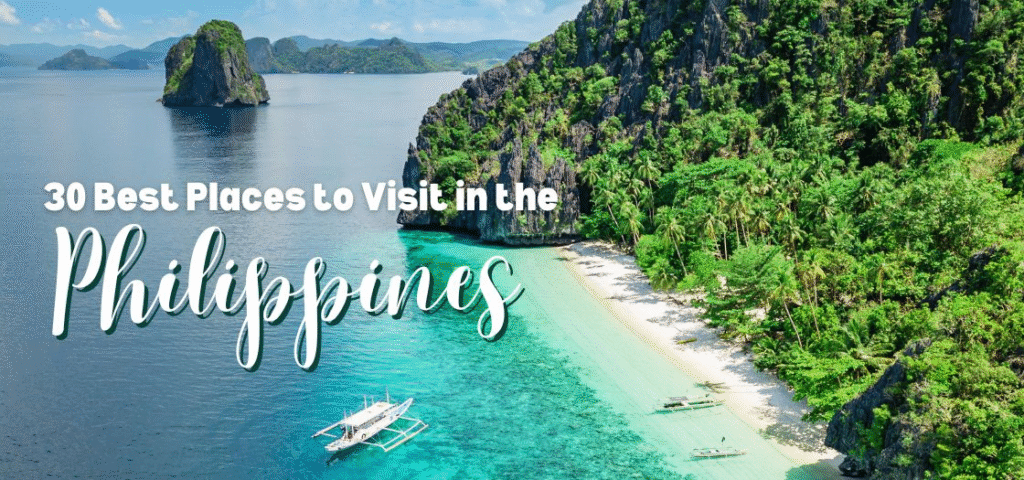
The Philippines is a beautiful Southeast Asian destination known for its turquoise waters, white-sand beaches, tropical islands, dramatic limestone cliffs, lush mountains, and welcoming local culture. With thousands of islands to explore, the country offers something for almost every traveller, from relaxing beach holidays and romantic escapes to adventurous outdoor activities and cultural sightseeing.
Whether you are planning your first international holiday or looking for a new island destination, the Philippines provides plenty of opportunities to create a memorable trip. You can explore the lagoons of Palawan, enjoy the famous beaches of Boracay, discover the natural wonders of Bohol, or experience the lively atmosphere of Manila.
This complete Philippines travel guide highlights the best places to visit, the top things to do, the best time to travel, and practical tips to help you plan your journey.
Why Visit the Philippines?
The Philippines combines natural beauty, cultural experiences, outdoor adventures, and city attractions. Each destination has its own character, so you can choose an itinerary that matches your interests and travel style.
Here are some reasons to consider visiting:
- Beautiful beaches: Enjoy tropical coastlines, clear waters, and scenic sunset views.
- Island-hopping adventures: Discover hidden coves, lagoons, and smaller islands by boat.
- Outdoor activities: Try snorkelling, diving, surfing, hiking, kayaking, and other adventures.
- Cultural attractions: Explore historic districts, traditional festivals, museums, and local markets.
- Local cuisine: Sample Filipino dishes, fresh seafood, regional specialities, and tropical fruits.
- Different travel experiences: Combine beach resorts, countryside excursions, mountain scenery, and vibrant cities in one holiday.
10 Best Places to Visit in the Philippines
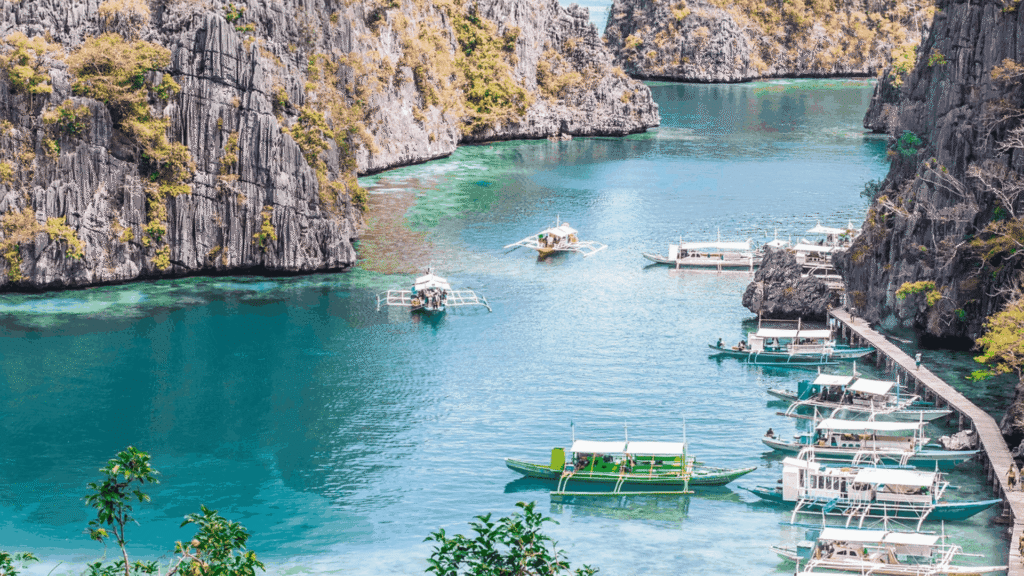
1. Palawan — Best for Lagoons and Island Hopping
Palawan is one of the Philippines’ most recognisable destinations, famous for its limestone cliffs, clear lagoons, dramatic coastlines, and island-hopping experiences. It is an excellent choice for travellers who want to explore natural landscapes and spend time on the water.
El Nido and Coron are particularly popular bases for discovering the region’s coastal scenery.
Top things to do in Palawan:
- Take an island-hopping tour around El Nido.
- Explore the lagoons and limestone formations of Bacuit Bay.
- Discover Coron’s lakes and marine landscapes.
- Go snorkelling or diving at suitable locations.
- Visit Puerto Princesa and explore its underground river attractions.
Palawan is ideal for couples, nature lovers, photographers, and adventure seekers. Plan enough time for boat tours and transfers because different parts of the province are not always close together.
2. Boracay — Best for Beaches and Relaxation
Boracay is famous for White Beach, a long stretch of pale sand with clear water, beachfront accommodation, restaurants, and opportunities for water activities.
The island suits travellers who want a relaxed tropical holiday with convenient access to dining, sightseeing, and evening entertainment.
Top things to do in Boracay:
- Relax on White Beach.
- Watch the sunset along the coast.
- Try paddleboarding, sailing, or snorkelling with a reputable operator.
- Explore quieter beaches and coastal viewpoints.
- Enjoy local restaurants and evening entertainment.
Boracay works well for couples, families, groups of friends, and first-time visitors. For a quieter experience, research accommodation away from the busiest areas and check the location of the beach access before booking.
3. Cebu — Best for Adventure and Culture
Cebu offers a mix of city attractions, historical landmarks, beaches, waterfalls, and marine activities. A Cebu City is also a useful transport hub for exploring parts of the central Philippines.
Travellers can combine sightseeing and local food experiences with trips to nearby islands and natural attractions.
Top things to do in Cebu:
- Visit historical sites in Cebu City.
- Explore Kawasan Falls and its surrounding scenery.
- Discover beaches and marine attractions around nearby islands.
- Try Cebuano dishes, including the region’s well-known lechon.
- Arrange diving or snorkelling excursions with responsible operators.
Cebu is a versatile option for travellers who want more than a traditional beach holiday. Distances between attractions can be considerable, so account for road travel when planning day trips.
4. Bohol — Best for Nature and Countryside Trips
Bohol is known for the Chocolate Hills, countryside landscapes, beaches, and opportunities to learn about the region’s wildlife. It is a good destination for travellers who want to combine nature, sightseeing, and relaxation.
Panglao Island is a popular base for beaches and marine activities, while inland areas offer a different view of the province.
Top things to do in Bohol:
- Visit the Chocolate Hills viewpoint.
- Explore Panglao’s beaches.
- Take a scenic countryside trip.
- Learn about Philippine tarsiers through responsible wildlife experiences.
- Discover local heritage sites and river landscapes.
Bohol is suitable for families, couples, and nature enthusiasts. Choose wildlife experiences that prioritise animal welfare and follow local conservation guidance.
5. Siargao — Best for Surfing and Island Life
Siargao is well known for surfing, especially around Cloud 9, and for its relaxed island atmosphere. Beyond surfing, visitors can explore mangroves, lagoons, natural rock pools, and nearby islets.
The island appeals to travellers looking for a balance of outdoor activities and a slower pace of life.
Top things to do in Siargao:
- Watch experienced surfers or book lessons with a qualified instructor.
- Explore the island’s coastal scenery.
- Visit the Magpupungko rock pools when tides and conditions are suitable.
- Take a boat trip to nearby islands.
- Discover local cafés and restaurants.
Siargao is a strong choice for surfers, solo travellers, and outdoor enthusiasts. Check surf conditions, tide times, and weather forecasts before planning water-based activities.
6. Manila — Best for City Life and History Philippines
Manila offers a different experience from the Philippines’ beach destinations. The capital region combines historic landmarks, museums, shopping areas, restaurants, and contemporary urban life.
It can be a convenient starting point for an international trip, although traffic may make journeys across the city slower than expected.
Top things to do in Manila:
- Explore Intramuros, the historic walled district.
- Visit museums and cultural attractions.
- Discover local food and markets.
- Explore shopping and dining areas.
- Learn about Philippine history and heritage.
Manila is worth considering for travellers interested in culture, food, and city experiences. Allow extra time for airport transfers and travel between attractions.
7. Coron — Best for Lakes and Diving Philippines
Coron, in northern Palawan, is celebrated for its striking limestone landscapes, freshwater lakes, island-hopping trips, and underwater attractions. It is particularly appealing to travellers who enjoy exploring coastal environments.
Top things to do in Coron:
- Visit Kayangan Lake and other accessible natural attractions.
- Explore nearby islands by boat.
- Go snorkelling in suitable marine areas.
- Consider wreck diving with a qualified operator if appropriately trained.
- Enjoy scenic coastal views.
Coron is a good option for photographers, divers, and travellers who enjoy boat excursions. Tour access and conditions can vary, so check local guidance before departure.
8. Banaue and Batad — Best for Mountain Scenery Philippines
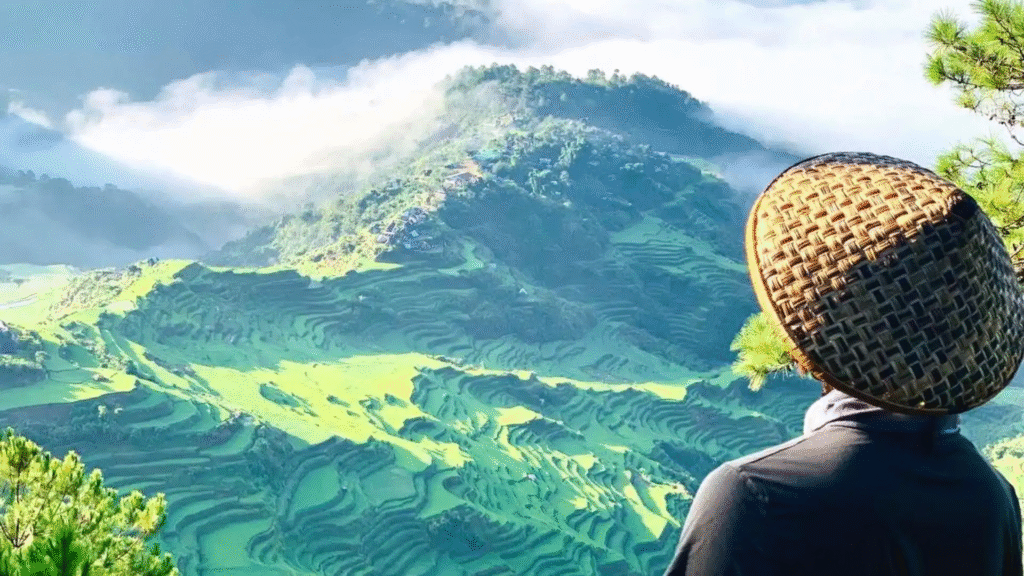
For a change from beaches, travel to the Cordillera region of northern Luzon. Banaue and nearby Batad are known for dramatic mountain scenery and traditional rice terraces associated with Ifugao culture.
These landscapes offer insight into rural life and agricultural traditions that differ from the Philippines’ coastal destinations.
Top things to do in the region:
- Admire the rice terraces from designated viewpoints.
- Arrange a guided hike around Batad.
- Learn about local Ifugao traditions and heritage.
- Explore mountain villages respectfully.
- Photograph the scenery while following local guidance.
This region is best suited to travellers who enjoy walking, landscapes, and cultural experiences. Wear suitable footwear and consider a local guide for longer or unfamiliar routes.
9. Vivian — Best for Heritage and Architecture Philippines
Vivian, in Ilocos Sur, is known for its preserved historic urban landscape and distinctive architecture. It is a rewarding stop for travellers interested in history, heritage, and regional food.
Its streets offer a different perspective on the Philippines from the country’s island resorts and beach towns.
Top things to do in Vivian:
- Walk along the historic streets of Calle Crisologo.
- Visit heritage houses and museums.
- Learn about the city’s architectural history.
- Try regional Ilocano dishes.
- Browse local crafts and traditional products.
Vivian is a useful addition to a northern Luzon itinerary, particularly for travellers who want to combine historical sightseeing with regional cuisine.
10. Davao — Best for Nature and Outdoor Exploration
Davao, in Mindanao, offers a combination of urban attractions, regional food, nature experiences, and access to mountain landscapes. It can appeal to travellers who want to explore a different part of the country beyond the most frequently visited island resorts.
Top things to do in and around Davao:
- Discover local markets and regional dishes.
- Visit suitable nature and wildlife conservation attractions.
- Explore nearby outdoor destinations with local guidance.
- Learn about the region’s diverse cultural traditions.
- Research guided excursions in the surrounding countryside.
Check current local travel advice, transport availability, and access conditions before finalising plans for Davao or any other destination in Mindanao.
Best Things to Do in the Philippines
The best activities depend on the islands you visit, but a few experiences are especially useful to consider when planning a trip.
Go Island Hopping
Island hopping is one of the best ways to experience the country’s coastal scenery. Tours can include beaches, lagoons, snorkelling locations, and small islands.
Palawan, Coron, and Siargao are popular choices. Compare tour routes, safety practices, group sizes, and environmental rules before booking.
Explore Beaches and Marine Life
The Philippines offers opportunities for swimming, snorkelling, diving, and other water-based activities. Choose locations that suit your experience level, follow local safety instructions, and avoid touching coral or disturbing marine animals.
Try Local Filipino Food
Food is an important part of the travel experience. Consider sampling:
- Adobo: Meat or other ingredients cooked with a savoury mixture commonly including vinegar, soy sauce, garlic, and seasonings.
- Sinigang: A sour soup often prepared with vegetables and meat or seafood.
- Lechon: Roasted pork served at celebrations and in regional food traditions.
- Pancit: A broad family of noodle dishes prepared in different regional styles.
- Halo-halo: A popular chilled dessert with mixed ingredients and shaved ice.
Recipes vary across regions, so trying local versions can be part of the adventure.
Discover Local Culture and Heritage
Visit historic districts, museums, heritage sites, and local markets to learn about the country’s varied history and traditions. If your visit coincides with a festival, check the dates and local arrangements in advance.
Be respectful when visiting religious sites, rural communities, and culturally significant locations.
Enjoy Outdoor Adventures
Depending on your destination and ability, you can consider surfing, hiking, kayaking, diving, and guided countryside excursions. Use reputable operators, check weather conditions, and choose activities that match your experience and fitness level.
Best Time to Visit the Philippines
The Philippines has a tropical maritime climate, but weather conditions differ by region. Rainfall, monsoon patterns, and tropical cyclones can affect travel plans, so there is no single ideal month for every island. <sup>PAGASA climate information</sup>
November to February
These months can offer relatively cooler conditions in many areas. They are worth considering for sightseeing, beach trips, and outdoor activities, although local weather still varies.
March to May
These months are generally hotter and can be suitable for beach holidays in many destinations. Expect strong sunshine and plan for hydration, shade, and sun protection.
June to October
Many parts of the country experience wetter conditions during this period. Rain can affect ferry crossings, outdoor excursions, and domestic flights, while tropical cyclones may cause disruption.
Travelling during wetter months can sometimes offer quieter attractions, but flexibility is important.
Planning tip: Check forecasts from the Philippine Atmospheric, Geophysical and Astronomical Services Administration (PAGASA) before travel and again before boat trips or outdoor activities. Do not assume that weather will be the same across all islands.
How to Plan a Philippines Trip
Good planning can make travel between islands much easier. Instead of trying to visit every famous destination, choose a manageable route and allow enough time to enjoy each stop.
Step 1: Choose Your Travel Style
Decide whether your priority is beaches, surfing, nature, culture, food, or adventure. This helps you narrow down the destinations that suit your interests.
Step 2: Select One or Two Regions
For a shorter holiday, focus on one or two nearby destinations. For example, you might combine Cebu and Bohol or concentrate on El Nido and Coron if your schedule and connections allow.
Step 3: Plan Transport Connections
The country is an archipelago, so travel may involve domestic flights, ferries, buses, and road transfers. Check schedules carefully and avoid planning tight connections between separately booked services.
Step 4: Book Accommodation Based on Activities
Choose accommodation that reduces unnecessary travel time. Check the location, transport access, cancellation conditions, and recent guest reviews before booking.
Step 5: Leave Room for Changes
Weather, ferry schedules, and domestic transport can change. Leave a buffer before international departures and avoid filling every day with a fixed activity.
Budget Tips for Visiting the Philippines

The cost of a trip depends on your travel dates, accommodation preferences, destinations, and activities. These steps can help you manage your spending.
- Book transport early where practical: Compare flight and ferry options, including baggage allowances and transfer costs.
- Compare accommodation locations: A cheaper room far from your activities may increase transport expenses.
- Try local food: Local restaurants and markets can provide a range of dining options at different price points.
- Compare island tours: Check what each tour includes, such as meals, equipment, entrance fees, and transfers.
- Carry some local currency: Cash can be useful at small businesses and on islands where card or digital payments may be limited.
- Allow for extra transport costs: Include transfers to airports, ferry terminals, and remote attractions in your budget.
Check final prices and cancellation conditions before paying, particularly for flights, ferries, tours, and accommodation.
Essential Travel Tips for the Philippines
Before travelling, keep these practical points in mind.
Check Entry Requirements
Visa and entry requirements depend on your nationality, travel purpose, and length of stay. Check the latest information through official Philippine immigration or consular sources before booking.
Pack for Tropical Weather
Bring lightweight clothing, comfortable walking shoes, swimwear, sun protection, and rain protection suitable for your itinerary. A waterproof bag can be useful for boat trips.
Respect the Environment
Follow local rules at beaches, marine sanctuaries, waterfalls, and protected areas. Avoid littering, touching coral, or buying products made from protected wildlife.
Put Safety First
Use reputable transport and tour operators. Follow local advice for swimming, diving, hiking, and boat trips, and avoid entering the water during unsafe conditions.
Check Connectivity and Payments
Research mobile coverage and payment options for your chosen islands. Keep some cash available for places where card payments are not accepted.
Purchase Suitable Travel Insurance
Consider a policy that covers your planned activities and relevant transport disruptions. Check the exclusions and coverage limits before purchasing.
Suggested Philippines Itineraries
The right itinerary depends on your arrival airport, budget, and interests. These examples are starting points rather than fixed schedules.
5-Day Trip: Cebu and Bohol
- Day 1: Arrive in Cebu and explore selected city attractions.
- Day 2: Visit a nearby attraction or take a planned excursion.
- Day 3: Travel to Bohol and explore Panglao.
- Day 4: Visit the Chocolate Hills and other countryside attractions.
- Day 5: Enjoy a relaxed morning and begin your return journey.
Check ferry schedules and allow enough time for transfers.
7-Day Trip: Palawan Highlights
- Days 1–3: Explore El Nido, including a suitable island-hopping excursion.
- Day 4: Travel to another planned base or spend more time exploring the area.
- Days 5–6: Enjoy beaches, lagoons, or guided marine activities.
- Day 7: Return towards your departure point, allowing sufficient transfer time.
Combining El Nido and Coron may require additional travel time. If connections are inconvenient, staying in one area can make a seven-day trip more relaxing.
10-Day Trip: Beaches, Culture, and Adventure
- Days 1–2: Explore Manila’s historic sites and food scene.
- Days 3–5: Travel to Palawan for island-hopping and coastal scenery.
- Days 6–7: Visit another nearby attraction or enjoy a slower-paced beach stay.
- Days 8–9: Continue to a destination such as Cebu or Bohol if transport connections work for your dates.
- Day 10: Return towards your international departure airport.
This route involves multiple transfers, so check flight schedules before booking. For a more relaxed holiday, choose fewer destinations and spend more time in each.
Frequently Asked Questions
1. What are the best places to visit in the Philippines?
Popular choices include Palawan, Boracay, Cebu, Bohol, Siargao, Coron, and Manila. Banaue, Vivian, and Davao are also worth considering for travellers interested in mountains, heritage, and regional culture.
2. How many days are enough to visit the Philippines?
Five to seven days can work well for one region or a small number of connected destinations. Ten to fourteen days gives you more flexibility to explore several places, depending on transport schedules and your travel style.
3. What is the best month to visit the Philippines?
The best month depends on the region and activities. The generally drier months can be convenient for outdoor plans, but conditions vary locally. Check regional forecasts and travel advice before booking.
4. Is the Philippines suitable for first-time international travellers?
Yes, it can be a rewarding destination for first-time international travellers who plan their route carefully. Research transport, accommodation, entry requirements, and local safety advice before departure.
5. Which Philippine island is best for beaches?
Boracay is famous for White Beach, while Palawan is known for lagoons and dramatic coastal scenery. The best choice depends on whether you prefer a resort atmosphere, boat excursions, quiet beaches, or outdoor adventures.