
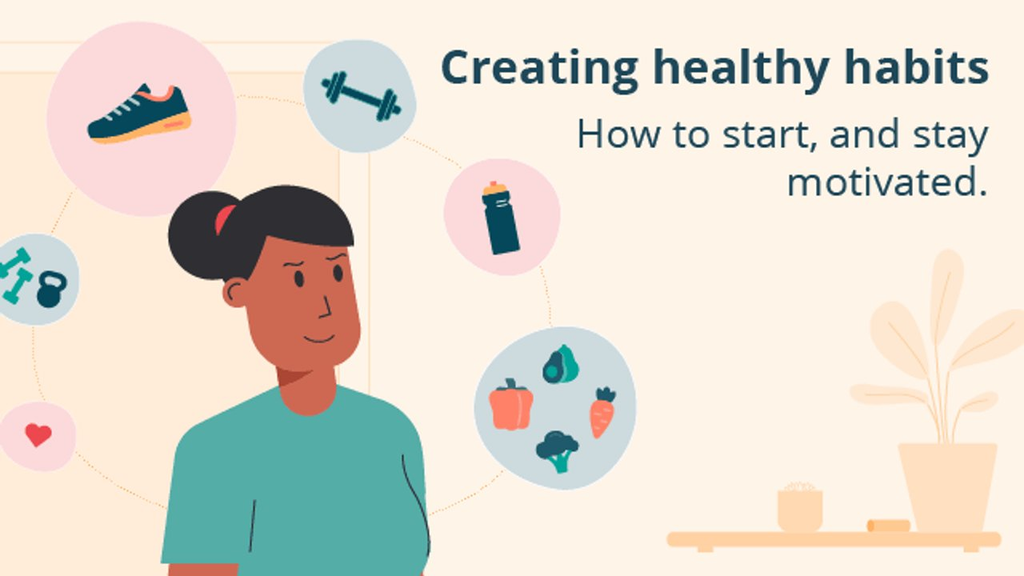
Building a productive lifestyle does not mean staying busy every minute or following a strict routine from morning until night. It is more about making small, positive choices that help you manage your time, energy and responsibilities more effectively. The habits you practise every day can gradually influence your health, confidence, work performance and overall well-being.
Many people start their day with big plans but struggle to follow them consistently. They may create complicated schedules, set unrealistic goals or try to change too many things at once. After a few days, keeping up with everything becomes difficult.
A better approach is to start small and focus on habits that fit naturally into your everyday life. Whether you want to become more organised, improve your concentration or make time for personal interests, simple daily changes can help you build a more balanced and productive routine.
1. Start Your Morning With a Clear Routine
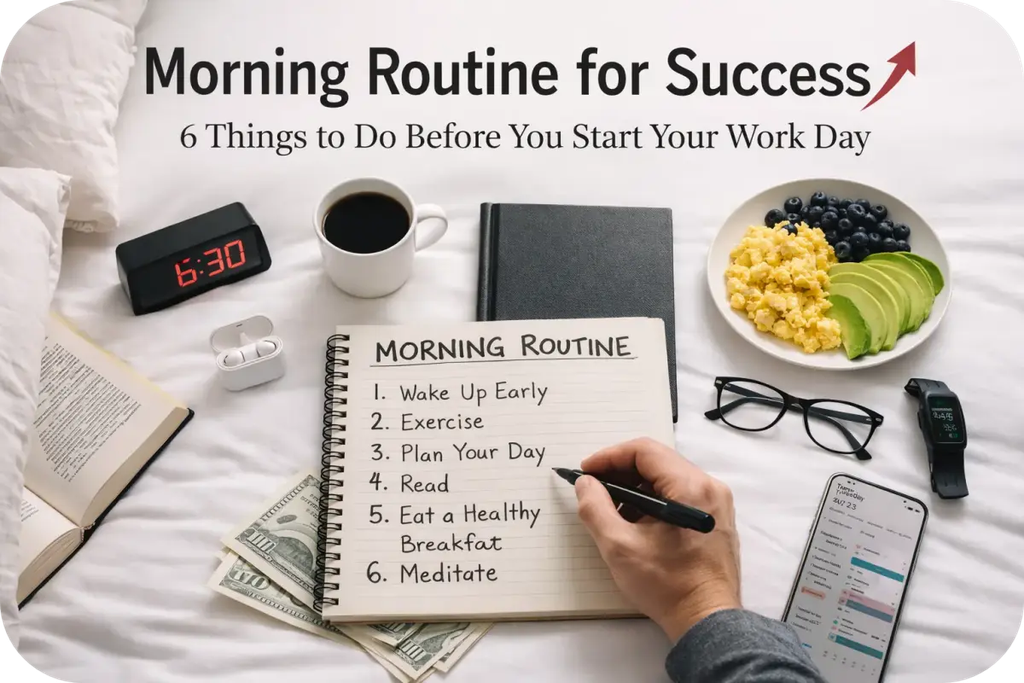
The way you begin your morning can influence Lifestyle how the rest of your day feels. Waking up without a plan often leads to unnecessary distractions, rushed decisions and forgotten responsibilities. A simple morning routine can help you feel more prepared and organised.
You do not need to wake up extremely early or follow someone else’s schedule. Instead, choose a few activities that make your mornings comfortable and give you enough time to prepare for the day.
Create a Morning Routine That Works for You
Start with manageable activities Lifestyle such as drinking water, making your bed, getting ready without rushing and reviewing your daily plans. These small actions can create a sense of structure before your work or other responsibilities begin.
Consider adding these habits to your morning:
- Drink a glass of water after waking up.
- Spend a few minutes stretching or walking.
- Eat a balanced breakfast.
- Avoid checking social media immediately.
- Review your most important tasks.
Avoid Making Mornings Too Complicated
A morning routine should support your lifestyle rather than become another responsibility. If you have limited time, choose two or three activities and practise them consistently. You can gradually add more once the routine feels comfortable.
2. Set Realistic Goals for Everyday Progress
Having clear goals gives your daily activities a purpose. Without direction, it is easy to spend hours completing small tasks while postponing the work that matters most.
However, setting too many goals can make your routine difficult to maintain. Instead of trying to achieve everything in one day, identify what genuinely needs your attention.
Break Bigger Goals Into Smaller Tasks
Large goals often feel overwhelming because they require time, effort and patience. Breaking them into smaller steps makes progress easier to manage.
For example, if you want to improve your fitness, begin with a 15-minute walk rather than planning an intense workout every day. If you want to learn a new skill, spend 20 minutes practising instead of expecting yourself to complete an entire course quickly.
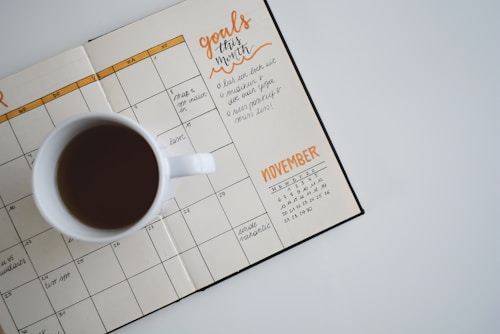
A simple goal-setting approach:
- Choose one important goal.
- Divide it into smaller activities.
- Set a realistic deadline.
- Track your progress regularly.
- Adjust your plan when necessary.
Focus on Progress Instead of Perfection
Some days will be more productive than others, and that is completely normal. Missing one activity does not mean your entire routine has failed. What matters is returning to your habits instead of giving up because of a temporary setback.
3. Manage Your Time Without Feeling Overwhelmed

1. Plan Your Day
✓ List daily tasks
✓ Set clear priorities
✓ Note important deadlines
✓ Keep plans realistic
✓ Avoid overbooking
✓ Review your schedule
💡 Quick Trick
Write tomorrow’s tasks before going to bed.
2. Set Priorities
✓ Start important work
✓ Handle urgent tasks
✓ Reduce small distractions
✓ Set task deadlines
✓ Avoid multitasking
✓ Finish one task first
💡 Quick Trick
Choose your three most important tasks each morning.

3. Organise Your Workspace
✓ Clear your desk
✓ Keep essentials nearby
✓ Arrange documents
✓ Close unused tabs
✓ Remove distractions
✓ Maintain a tidy space
💡 Quick Trick
Spend five minutes organising your desk before work.

4. Take Short Breaks
✓ Rest between tasks
✓ Stretch your body
✓ Drink enough water
✓ Rest your eyes
✓ Take a short walk
✓ Return with focus
💡 Quick Trick
Try a five-minute break after a focused work session.

5. Limit Distractions
✓ Silence notifications
✓ Set phone limits
✓ Avoid random scrolling
✓ Focus on one activity
✓ Check emails at set times
✓ Keep work hours clear
💡 Quick Trick
Keep your phone away during important tasks.

6. Review Your Progress
✓ Check completed tasks
✓ Note pending work
✓ Celebrate small wins
✓ Identify time wasters
✓ Adjust tomorrow’s plan
✓ Learn from busy days
💡 Quick Trick
Spend five minutes reviewing your day every evening.
Good time management is not about filling every hour with work. It means understanding your priorities and giving important activities enough attention.
When several responsibilities compete for your Lifestyle time, having a basic schedule can make everyday life easier. It also helps you recognise where your time goes and which activities create unnecessary distractions.
Organise Tasks According to Their Importance
Not every task needs immediate attention. Start by identifying the activities that have the greatest impact on your personal or professional goals.
| Task Priority | Type of Activity | Suggested Approach |
|---|---|---|
| High | Important deadlines | Complete first |
| Medium | Regular responsibilities | Schedule properly |
| Low | Non-urgent activities | Complete when available |
| Personal | Health and relaxation | Give regular time |
You can also use a simple daily planner to organise your responsibilities.
- Write down three important tasks.
- Estimate how much time each task needs.
- Schedule short breaks between activities.
- Keep some extra time for unexpected work.
- Review unfinished tasks at the end of the day.
Try Time Blocking for Better Focus
Time blocking means assigning specific periods to different activities. For example, you might reserve the morning for focused work, the afternoon for meetings and the evening for personal responsibilities.
This approach can reduce unnecessary task switching and make your day feel more organised.
4. Build Healthy Habits Around Food, Exercise and Sleep



Productivity depends on more than planning and motivation. Your physical health also plays an important role in how well you concentrate, make decisions and manage everyday responsibilities.
Skipping meals, sitting for long periods and sleeping irregularly can affect your energy levels. Building healthier routines can support both your physical and mental well-being.
Make Small Changes to Your Daily Health Routine
You do not need an expensive fitness membership or a complicated meal plan to start taking better care of yourself.
Focus on simple choices:
- Include fruits, vegetables and balanced meals in your diet.
- Drink enough water throughout the day.
- Add walking, cycling or stretching to your routine.
- Take short movement breaks during long working hours.
- Maintain a consistent bedtime whenever possible.
Understand the Connection Between Sleep and Productivity
Good sleep helps your body recover and supports memory, attention and emotional balance. Staying up late regularly can make it harder to concentrate the following day.
Try reducing screen time before bed, keeping your sleeping environment comfortable and following a relaxing evening routine.
5. Reduce Digital Distractions During the Day
Smartphones, social media notifications and constant messages can interrupt even the simplest activities. You might open your phone to check one message and end up spending half an hour scrolling through unrelated content.
These interruptions can make it difficult to complete tasks efficiently. Developing healthier digital habits can help you regain control over your attention.
Create Boundaries Around Screen Time

You do not have to stop using technology completely. The goal is to use digital devices more intentionally instead of allowing them to control your schedule.
Try these practical changes:
- Set daily limits for mobile and social media use.
- Avoid checking your phone during work or study time.
- Take regular breaks from digital screens.
- Keep your phone away during meals and bedtime.
- Spend more time on hobbies and outdoor activities.
Make Your Workspace Less Distracting
A clean and organised workspace can make it easier to concentrate. Keep only the items you need nearby, close unnecessary browser tabs and avoid keeping distracting apps open while working.
6. Make Time for Learning and Personal Development
A productive lifestyle should include opportunities to learn, explore interests and improve your abilities. Focusing only on work and household responsibilities can leave very little room for personal growth.
Learning something new does not always require formal classes or expensive courses. Reading books, watching educational videos, practising a skill or exploring useful online resources can all contribute to personal development.
Choose Activities That Support Your Interests
Think about an area where you would like to improve. It could be communication, writing, technology, financial knowledge or creative skills.
You can begin with a simple routine:
| Learning Activity | Time to Start With | Possible Benefit |
|---|---|---|
| Reading | 10–15 minutes | Better knowledge |
| Skill Practice | 20 minutes | Improved ability |
| Educational Videos | 15 minutes | New ideas |
| Journaling | 5–10 minutes | Self-reflection |
| Online Learning | 20–30 minutes | Career development |
The purpose is not to learn everything at once. Give yourself enough time to understand and practise what you discover.
7. Take Care of Your Mental Well-Being

Being productive does not mean ignoring your feelings or pushing yourself through exhaustion. Mental well-being is an important part of maintaining a healthy and sustainable lifestyle.
Constant pressure to complete tasks can create stress and make ordinary responsibilities feel difficult. Taking breaks, spending time with loved ones and enjoying activities outside work can help create a healthier balance.
Include Small Moments of Relaxation
Make room for activities that help you feel refreshed. This could include listening to music, spending time outdoors, reading, gardening or enjoying a conversation with someone you trust.
Some useful habits include:
- Take short breaks between demanding tasks.
- Practise deep breathing when feeling overwhelmed.
- Spend quality time with family or friends.
- Avoid comparing your progress with others.
- Give yourself permission to rest when needed.
- Recognise When You Need to Slow Down
If you constantly feel tired or struggle to concentrate, adding more tasks may not solve the problem. Sometimes, reducing unnecessary responsibilities and allowing yourself time to recover is a more productive choice.
8. Track Your Habits and Stay Consistent
Creating good habits is one part of the process. Maintaining them over time is where real progress happens. It is normal to experience busy days, unexpected changes and periods when motivation feels low.
Instead of depending entirely on motivation, create a simple system that makes your habits easier to follow.
Use a Daily Habit Tracker
A habit tracker helps you see which activities you are completing regularly. You can use a notebook, calendar or simple mobile application to record your progress.
| Daily Habit | Monday | Tuesday | Wednesday |
|---|---|---|---|
| Morning Routine | ✓ | ✓ | ✓ |
| Daily Exercise | ✓ | — | ✓ |
| Reading | ✓ | ✓ | — |
| Healthy Meals | ✓ | ✓ | ✓ |
| Proper Sleep | ✓ | — | ✓ |
Give Yourself Time to Build Consistency
Do not expect every habit to become automatic within a few days. Some routines may feel easy immediately, while others require more practice.
Celebrate small improvements and adjust habits that do not fit your schedule. If a routine becomes difficult to maintain, make it simpler rather than abandoning it completely.
Final Thoughts
Building better daily habits is not about changing your entire lifestyle overnight. It is about making thoughtful decisions and repeating small actions that support your personal goals.
A balanced morning routine, realistic planning, healthy food choices, regular movement and enough rest can gradually improve the way you manage your day. Making time for learning and mental well-being also helps create a lifestyle that feels more meaningful.
Remember that productivity looks different for everyone. Focus on habits that suit your responsibilities, personal interests and available time. Start with a few simple changes, stay patient and allow your routine to develop naturally.
FAQ’s
1. How can I build better daily habits?
Start with small activities, set realistic goals and repeat them consistently.
2. What are the most important habits for productivity?
Good sleep, time management, healthy eating, exercise and focused work are helpful.
3. How long does it take to develop a new habit?
It varies depending on the person, activity and consistency.
4. How can I avoid daily distractions?
Limit notifications, organise your workspace and schedule specific screen-time breaks.
5. Why is consistency important for productivity?
Consistency helps turn useful activities into regular routines and supports long-term progress.
The Bloggometry team
Written and checked by the people who run Bloggometry.