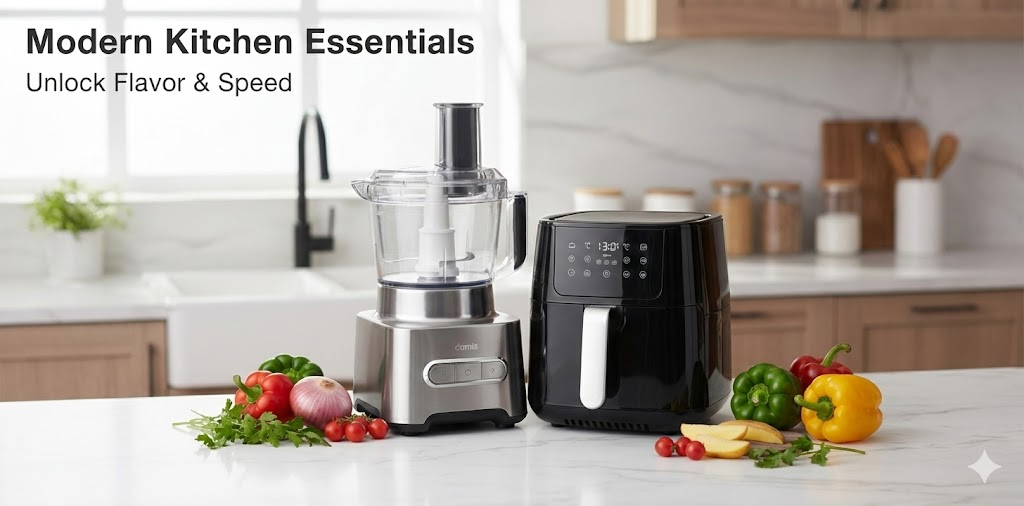

Online shopping gives people access to thousands of products without leaving their homes. From smartphones and kitchen appliances to clothing and skincare products, almost everything is available with a few clicks. However, having too many choices can make buying decisions confusing. Two products may look almost identical but differ in quality, performance, features and long-term value.
This is why comparing products before buying online is more important than ever. Instead of choosing the first attractive deal, shoppers should understand what they are paying for. Checking product specifications, customer reviews, seller information and return policies can help avoid disappointing purchases.
A little research before placing an order can make shopping easier, save money and help you find products that genuinely match your everyday requirements.
1. Start by Understanding Your Shopping Needs


Before comparing different products, identify what you actually need. Many shoppers begin browsing without having a clear idea of their requirements. As a result, they get distracted by discounts, attractive designs and features they may never use.
Think about the purpose of the purchase and how frequently you will use the product. For example, someone buying a laptop for office work may need reliable performance, sufficient storage and good battery life. A student might prioritise portability and affordability.
Identify Your Essential Requirements
Make a small list before visiting shopping websites:
- Purpose: Understand why you need the product.
- Budget: Decide how much you can comfortably spend.
- Features: Identify the functions you genuinely need.
- Usage: Consider how frequently you will use it.
- Quality: Look for durability and dependable performance.
Having these requirements ready makes it easier to remove unsuitable options and focus on products that offer practical benefits.
2. Compare Product Features Before Making a Choice
Product specifications help shoppers understand what different options offer. However, comparing numbers without understanding their purpose can lead to unnecessary confusion.
For example, when buying a smartphone, camera quality, Product battery capacity, storage and processing speed may influence your experience. For kitchen appliances, capacity, electricity consumption, safety features and ease of cleaning may be more important.
Focus on Features That Matter in Daily Use
Not every additional feature makes a product better. Some manufacturers highlight advanced functions to attract attention, but those features may not provide much value to everyday users.
Consider these factors:
- Performance: Does the product perform its main function properly?
- Build Quality: Are the materials suitable for regular use?
- Convenience: Is it easy to operate and maintain?
- Compatibility: Will it work with your existing devices or requirements?
- Durability: Is it designed to handle long-term usage?
: Important Features Across Product Categories
| Product | Features to Compare | Main Consideration |
|---|---|---|
| Smartphone | Camera, battery, storage | Daily performance |
| Laptop | Processor, RAM, display | Work requirements |
| Headphones | Sound, comfort, battery | Listening experience |
| Refrigerator | Capacity, energy rating | Household needs |
| Skincare | Ingredients, skin suitability | Product compatibility |
The best product is not necessarily the one with the longest feature list. Choose the option that provides the functions you will actually use.
3. Read Customer Reviews and Ratings Carefully

Customer reviews provide information that product Product descriptions often cannot explain. They give shoppers an idea of how an item performs after purchase and whether it meets everyday expectations.
However, do not depend entirely on star ratings. A product with thousands of positive reviews may still have issues that matter to your particular needs. Read detailed feedback and look for repeated experiences rather than judging a product through one comment.
What to Look for in Customer Feedback
- Recent reviews: Check whether buyers are satisfied with current product quality.
- Negative feedback: Look for repeated complaints about performance or durability.
- Customer photographs: Compare actual product appearance with listing images.
- Verified purchases: Give attention to reviews linked to genuine purchases.
- Long-term experiences: Look for comments about performance after regular use.
For example, a pair of headphones may receive excellent ratings for sound quality but complaints about uncomfortable ear cushions. If you plan to wear them for several hours daily, that information becomes particularly useful.
4. Compare Prices and Understand the Actual Value
Price comparison is an important part of online shopping, but choosing the cheapest option is not always the smartest decision. Two products may have similar appearances while offering different materials, warranties and performance levels.
Check prices on multiple reliable shopping platforms before purchasing. Also, consider delivery fees, additional charges and available discounts. Sometimes a product that initially looks cheaper becomes more expensive after these costs are included.
Understand the Difference Between Price and Value
A slightly expensive product may offer better durability, useful features and dependable customer support. On the other hand, paying extra for functions you will never use does not necessarily make financial sense.
| Buying Factor | Option A | Option B |
|---|---|---|
| Initial Price | Lower | Higher |
| Features | Basic | Advanced |
| Warranty | Limited | Longer |
| Build Quality | Standard | Better materials |
| Overall Value | Depends on needs | Depends on usage |
Before making a decision, ask yourself whether the additional cost provides a real benefit. Comparing overall value instead of discounts can help you make a more practical purchase.
5. Check Brand Reputation and Seller Reliability
A familiar brand name can provide some confidence, but it should not be the only factor influencing your decision. Even established brands may have products that do not match your expectations.
Research the manufacturer and check whether it provides clear product information, customer support and warranty services. You should also verify the seller because the same product may be available through multiple sellers on one shopping platform.
Signs of a Reliable Seller
- Clear seller information and contact details.
- Consistent customer ratings and feedback.
- Accurate product descriptions and photographs.
- Transparent return and replacement conditions.
- Proper invoices and warranty information.
Be particularly careful when purchasing branded electronics, expensive accessories and beauty products. Unusually low prices, unclear descriptions and questionable seller details deserve additional attention.
6. Understand Return Policies, Warranty and Delivery

1. Check the Return Window
✓ Check the return deadline.
✓ Read eligibility conditions.
✓ Keep the original packaging.
✓ Save your order details.
✓ Check refund timelines.
✓ Understand return charges.
💡 Quick Trick
Check the return deadline before placing your order.

2. Understand Replacement Rules
✓ Check replacement eligibility.
✓ Review damaged-item rules.
✓ Understand exchange options.
✓ Check reporting deadlines.
✓ Keep product accessories.
✓ Read seller instructions.
💡 Quick Trick
Check whether defective products qualify for replacement.

3. Review Warranty Coverage
✓ Check warranty duration.
✓ Read covered defects.
✓ Understand exclusions.
✓ Verify service availability.
✓ Keep the purchase invoice.
✓ Check repair conditions.
💡 Quick Trick
Compare warranty coverage instead of looking only at its duration.

4. Check Delivery Charges
✓ Review shipping fees.
✓ Check delivery estimates.
✓ Look for extra charges.
✓ Verify delivery locations.
✓ Check tracking availability.
✓ Review delivery conditions.
💡 Quick Trick
Compare the final checkout price, not just the listed price.

5. Read Payment Conditions
✓ Check secure payment options.
✓ Review cash-on-delivery terms.
✓ Understand refund methods.
✓ Check additional fees.
✓ Save payment confirmation.
✓ Avoid unknown payment links.
💡 Quick Trick
Use trusted payment gateways and save your transaction receipt.

6. Keep Purchase Records
✓ Save your order invoice.
✓ Keep warranty documents.
✓ Store seller details.
✓ Save delivery updates.
✓ Photograph damaged items.
✓ Keep support conversations.
💡 Quick Trick
Keep all purchase documents in one folder for easy access.
Many shoppers focus on product features and Product prices but forget to check what happens if something goes wrong after delivery. A product may arrive damaged, have missing accessories or differ from the advertised description.
Reading the return policy beforehand helps you understand whether you can return, replace or exchange an item. Different categories may have different conditions, so never assume that every product comes with an easy return option.
Important Details to Verify Before Ordering
Return period: Check how many days you have to request a return.
Replacement conditions: Understand when a damaged or defective product qualifies for replacement.
Warranty coverage: Check the duration and the specific issues covered.
Delivery charges: Confirm whether shipping fees or additional costs apply.
Service availability: For appliances and electronics, check whether authorised service support is accessible.
| Policy | What to Check | Why It Matters |
|---|---|---|
| Return | Eligible period | Easier problem resolution |
| Replacement | Damage conditions | Helps with defective items |
| Warranty | Coverage duration | Future repair support |
| Delivery | Charges and timing | Better cost planning |
| Service | Support availability | Convenient maintenance |
7. Avoid Common Mistakes While Shopping Online
Online shopping can become stressful when buyers make quick decisions without checking important details. Attractive advertisements, limited-time offers and large discount percentages can create pressure to purchase immediately.
Instead of rushing, take time to review the complete listing. Product images may show accessories that are sold separately, while promotional prices may not always represent the best available deal.
Five Shopping Mistakes Worth Avoiding
- Buying only because of discounts: Check whether the product offers genuine value.
- Ignoring product descriptions: Read sizes, materials and included accessories.
- Trusting every review: Look for detailed and consistent customer feedback.
- Overlooking seller information: Verify who is fulfilling your order.
- Skipping policy details: Understand return and warranty conditions.
Another useful habit is to avoid making purchases when you feel pressured by countdown offers. A good deal should still make sense after careful comparison.
8. Make Your Final Decision With Confidence

Once you have compared the features, Product prices, reviews and seller details, shortlist two or three suitable products. Looking at them side by side can make the final decision easier and help you recognise which option offers the most practical benefits.
Think about your original requirements rather than getting distracted by unnecessary features. A product that matches your budget, performs reliably and comes with suitable customer support may be a better choice than a more expensive alternative.
A Simple Final Buying Checklist
- Does the product meet my actual requirements?
- Is the price reasonable compared with similar options?
- Are customer reviews generally positive?
- Is the seller reliable?
- Are the return and warranty conditions clear?
If most of these questions have satisfactory answers, you can make your purchase with greater confidence.
Final Thoughts
Comparing products before buying online is a useful habit that helps shoppers make informed decisions. Rather than choosing something based only on its appearance, price or popularity, take time to understand its features, quality and overall value.
Customer reviews, reliable sellers and clear return policies also play an important role in a positive shopping experience. Whether you are buying electronics, household essentials or personal care products, careful comparison can help you avoid unnecessary expenses.
Ultimately, the right purchase is the one that suits your needs, fits your budget and delivers the value you expect.
FAQ’s
1. Why should I compare products before buying online?
It helps you understand quality, features, prices and overall value before purchasing.
2. How many products should I compare?
Comparing at least two or three suitable options is a good starting point.
3. Are customer reviews important?
Yes, they provide useful information about actual product experiences.
4. Should I always choose the cheapest product?
No. Consider quality, durability, warranty and features along with price.
5. What should I check before placing an order?
Check seller ratings, product details, delivery charges, return policies and warranty.
The Bloggometry team
Written and checked by the people who run Bloggometry.