
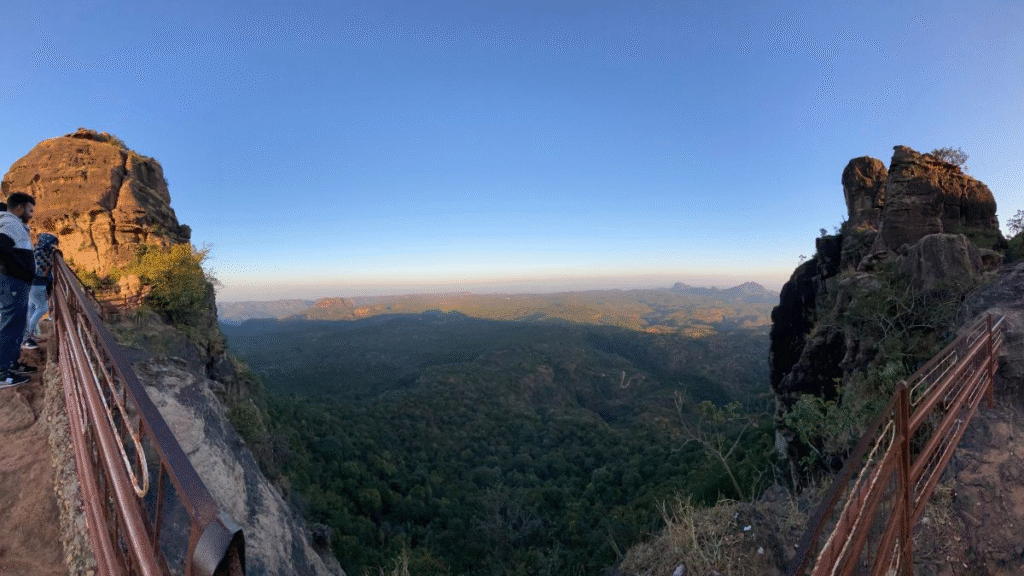
If you’re dreaming of a peaceful getaway surrounded by forests, waterfalls, caves, temples, and beautiful viewpoints, a Pachmarhi Trip deserves a spot on your travel list. Pachmarhi Trip Tucked away in the Satpura range of Madhya Pradesh, Pachmarhi is known for its green landscapes, pleasant atmosphere, and slower pace.
Often called the “Queen of Satpura,” Pachmarhi is a wonderful destination for couples, families, friends, photographers, and anyone who simply wants a break from busy city life.
From watching the sunset at Dhupgarh to exploring Bee Fall and discovering ancient caves, there is plenty to experience here.
Pachmarhi in One Line
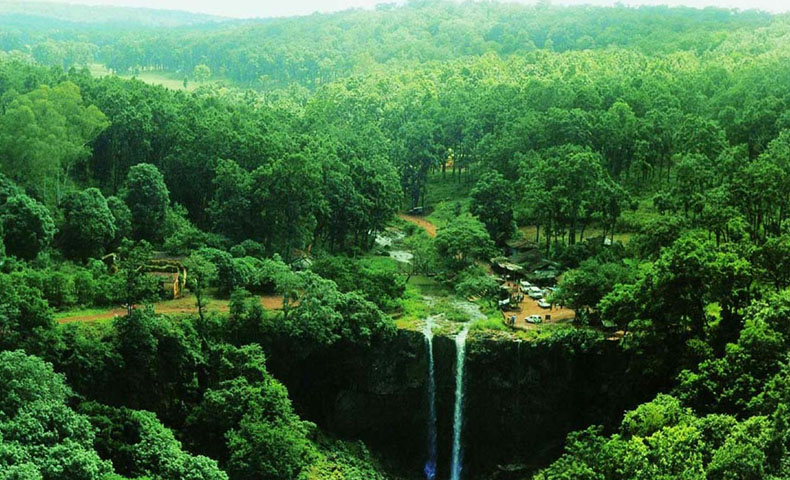
Pachmarhi, ‘Satpura ki Rani’ (Queen of Satpura), is Madhya Pradesh’s only hill station at 1,067 metres — packed into a valley of ancient forest, prehistoric caves, colonial ruins, powerful waterfalls, and one of India’s finest tiger reserves. Pachmarhi Trip Here are the 15 best places to visit, in order of importance.
Dhoopgarh — The Summit of Madhya Pradesh
| Type | Mountain summit viewpoint |
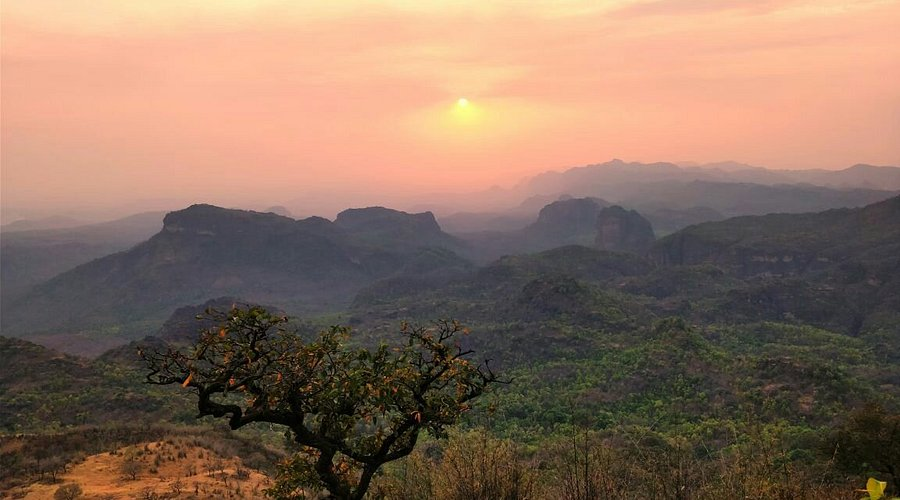
| Elevation | 1,352 metres — highest point in MP and Satpura Range |
| Best For | Sunrise (5:30 AM) and sunset (5:30–6:30 PM) · 360° Satpura plateau views |
| Access | Drive + short walk · Private vehicles restricted — Gypsy required on forest route |
| Timing | Open all day · Arrive 30 min before sunrise/sunset for best position |
| Season | October–February for clear sky views · Monsoon for cloud-level experience |
Dhoopgarh is the reason serious Pachmarhi travellers arrive the evening before their sightseeing begins. Pachmarhi Trip At sunrise, the Satpura valleys below fill with mist and the first light catches the plateau ridges in amber. Nothing else in Madhya Pradesh looks like this. MP Vacation includes Dhoopgarh as the first stop of every Pachmarhi itinerary for a reason.
Bee Falls — The Most Visited Waterfall
| Type | Waterfall with natural swimming pool |
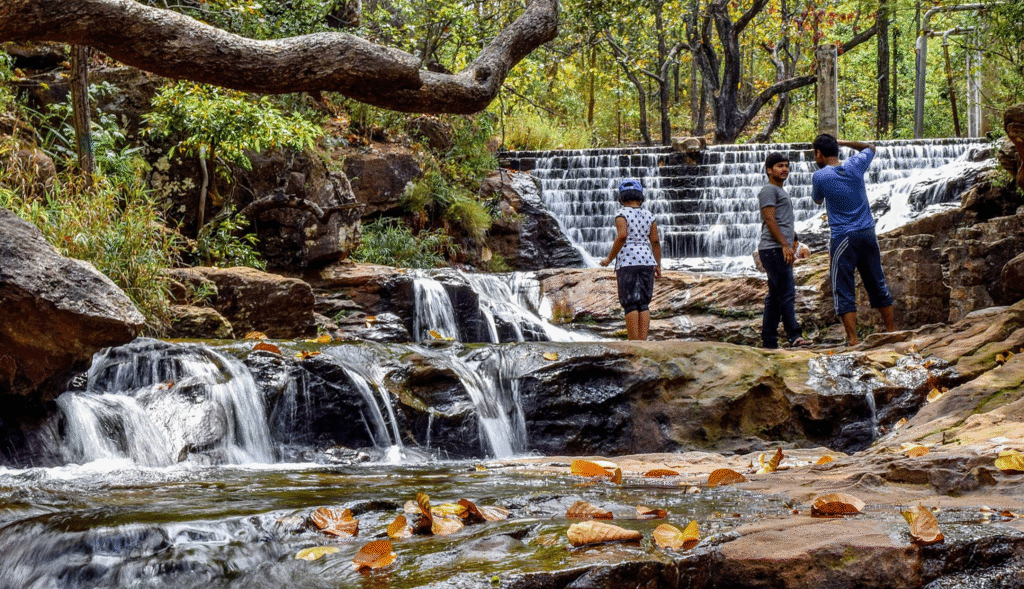
| Height | Approximately 35 metres |
| Local Name | Jamuna Prapat |
| Swimming | Permitted at the base pool — one of few spots in Pachmarhi where you can swim |
| Access | 15-minute trek from parking · Moderate steps · Gypsy from town to trailhead |
| Best Season | October–March (pleasant trek, good water flow) · Monsoon (full force, no swimming) |
| Timing | Best early morning — crowds build from 10 AM onwards |
Bee Falls also serves as Pachmarhi town’s primary drinking water source — the Jambu Dwip stream feeds both the falls and the water supply. There is something unusually satisfying about swimming in a waterfall that a town drinks from. MP Vacation’s Pachmarhi packages always schedule Bee Falls before 10 AM to beat the crowd.
Pachmarhi Trip Rajat Prapat — The 107-Metre Silver Falls
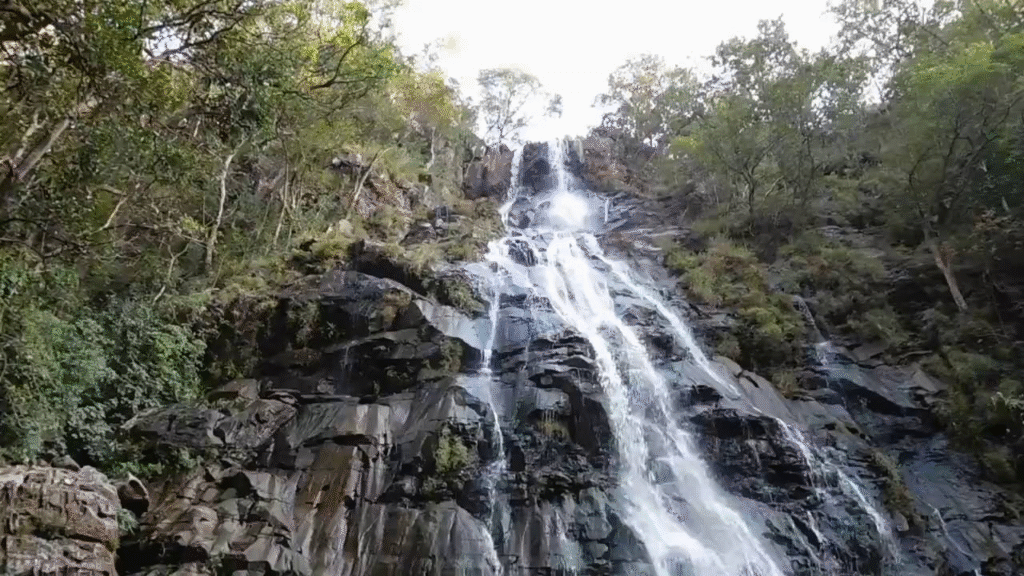
| Type | Viewpoint waterfall — viewpoint only, base not accessible |
| Height | 107 metres — tallest waterfall in Pachmarhi |
| Name Meaning | Rajat = Silver · Prapat = Waterfall — named for the silver shimmer in sunlight |
| Best Season | Monsoon (July–September) for full roaring volume · Post-monsoon for clearest view |
| Access | Gypsy to viewpoint · Short walk · Cannot descend to base |
| Combined With | Usually seen with Duchess Falls in the same Gypsy circuit |
| Photography | Morning light from the viewpoint gives the best angle |
Rajat Prapat is Pachmarhi’s most dramatic waterfall precisely because you cannot reach it. Standing at the viewpoint looking at a 107-metre cascade cutting through vertical jungle-covered cliffs into an inaccessible gorge is a different experience from swimming at the base of Bee Falls — bigger, wilder, and more remote-feeling.
Pandav Caves — Where the Mahabharata Stayed Pachmarhi Trip
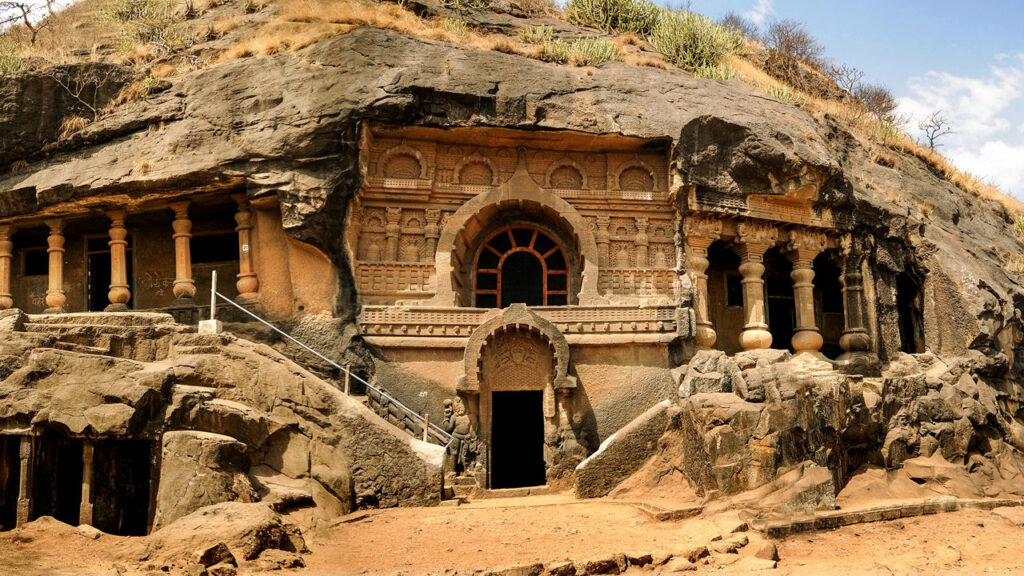
| Type | Rock-cut caves — Buddhist era (1st–5th century CE) |
| Legend | Five caves attributed to the five Pandava brothers during their forest exile |
| Access | 400-metre walk from parking — uphill then descent to caves |
| Entry | ASI (Archaeological Survey of India) nominal entry fee |
| Best Time | Morning — peaceful before the day-crowd builds |
| Note | Caves 1 and 3 are the largest and most photogenic |
The Pandav Caves are modest in archaeological scale but rich in atmosphere. Pachmarhi Trip The five caves carved into sandstone cliffs are surrounded by forest and stream sounds, and the association with the Pandavas — however mythological rather than historical — gives the place a quiet weight. Children particularly respond to the Pandava story told at the caves; it is the best place in Pachmarhi to make mythology tangible for young visitors.
Jata Shankar — Natural Shiva Cave Temple
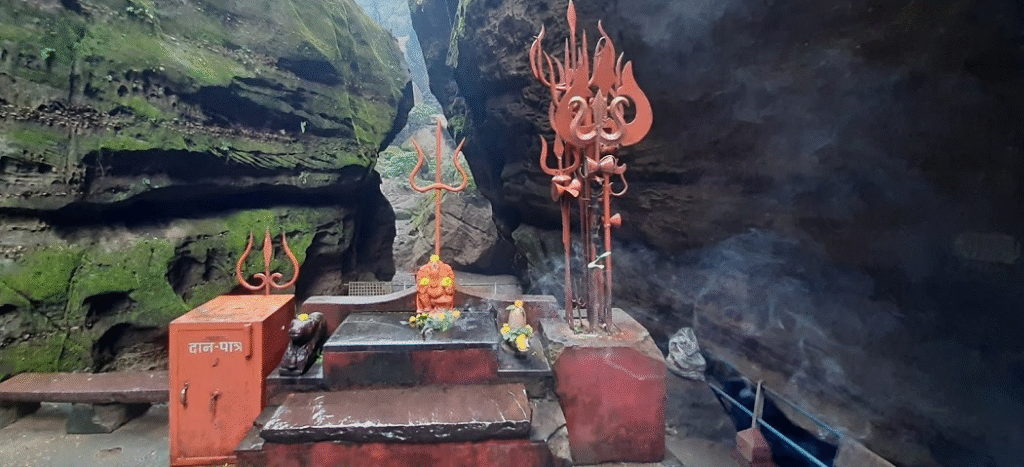
| Type | Natural cave temple — Shivalinga formation |
| Distance | 2 km from Pachmarhi town |
| Access | Walking path through narrow gorge · Natural rock formations overhead |
| Religious Significance | Natural Shivalinga + rock formations resembling Shiva’s matted locks (jata) |
| Best Time | October–February · Monsoon for seasonal waterfalls along the gorge path |
| Shravan Month | Most crowded but most spiritually charged (July–August) |
The approach to Jata Shankar through its narrow gorge is itself the experience — seasonal waterfalls drip from the rocks above, the path narrows between boulders, and the cave temple at the end carries the specific silence of a place people have been worshipping for a very long time.
Handi Khoh — Pachmarhi Trip The 300-Foot Gorge
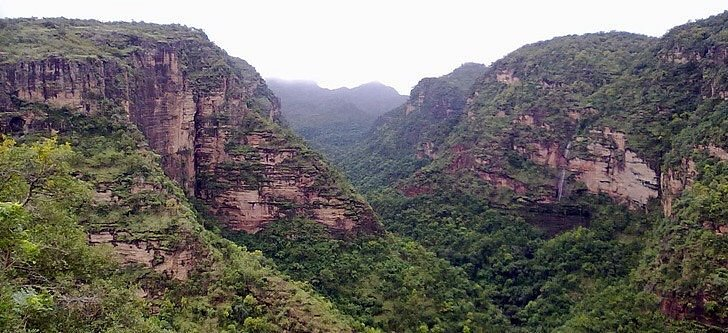
| Type | Sheer cliff viewpoint — 300-foot gorge below |
| Name Meaning | Handi = vessel/pot · Khoh = gorge — shaped like a cooking pot |
| Access | Short walk from parking · Safety railing at viewpoint |
| Best For | Monsoon — gorge fills with mist · Winter — clear view to the forest floor |
| Safety | Do not lean over railing · Children to be supervised closely |
Handi Khoh is Pachmarhi’s most dramatic viewpoint. Looking straight down 300 feet into dense sal tree canopy — the sound of wind echoing through the gorge below — produces a visceral vertigo that photographs cannot capture.Pachmarhi Trip In monsoon, the gorge fills completely with cloud and you are looking into nothing. Both versions are worth experiencing.
Pachmarhi Trip Apsara Vihar — The Natural Pool
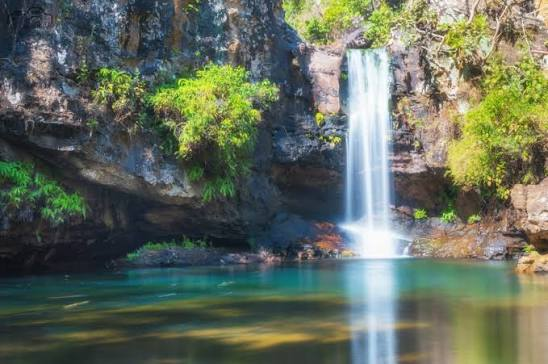
| Type | Natural waterfall and swimming pool |
| Access | Short walk through forest from parking · Family-friendly trail |
| Swimming | Permitted and popular — shallower and calmer than Bee Falls pool |
| Best For | Families with children · Couples · Those wanting a quieter alternative to Bee Falls |
| Season | October–March for pleasant swimming · Monsoon for waterfall volume |
Apsara Vihar — ‘abode of celestial nymphs’ — is more intimate than Bee Falls and significantly less crowded.Pachmarhi Trip The natural pool is fed by a gentle cascade and is surrounded by rock formations. It is the best swimming spot in Pachmarhi for families with young children because the water is calmer and the crowd lighter.
Duchess Falls — The Hidden Gem in Pachmarhi Trip
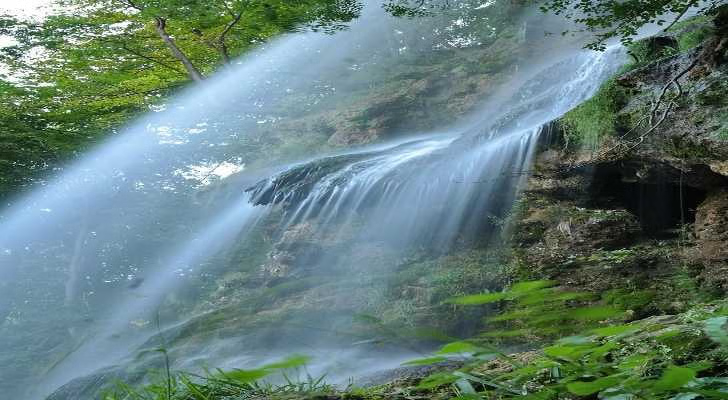
| Type | Single-drop cascade — approximately 100 metres |
| Access | Gypsy to trailhead + demanding 4 km descent and climb through forest |
| Best Season | July–September for maximum flow · Difficult trek in heavy monsoon — guide recommended |
| Combined With | Usually in same Gypsy zone as Rajat Prapat |
| Note | Most physically demanding waterfall to reach in Pachmarhi — rewarding for fit travellers |
Duchess Falls rewards the effort it demands. The multi-tiered cascade at the end of a steep forest descent is at its most powerful in the rains — a broad curtain of white water in a quiet jungle clearing that almost no tourist reaches in winter.Pachmarhi Trip For the physically fit traveller, this is Pachmarhi’s best-kept secret.
Pachmarhi Trip Satpura Tiger Reserve Safari
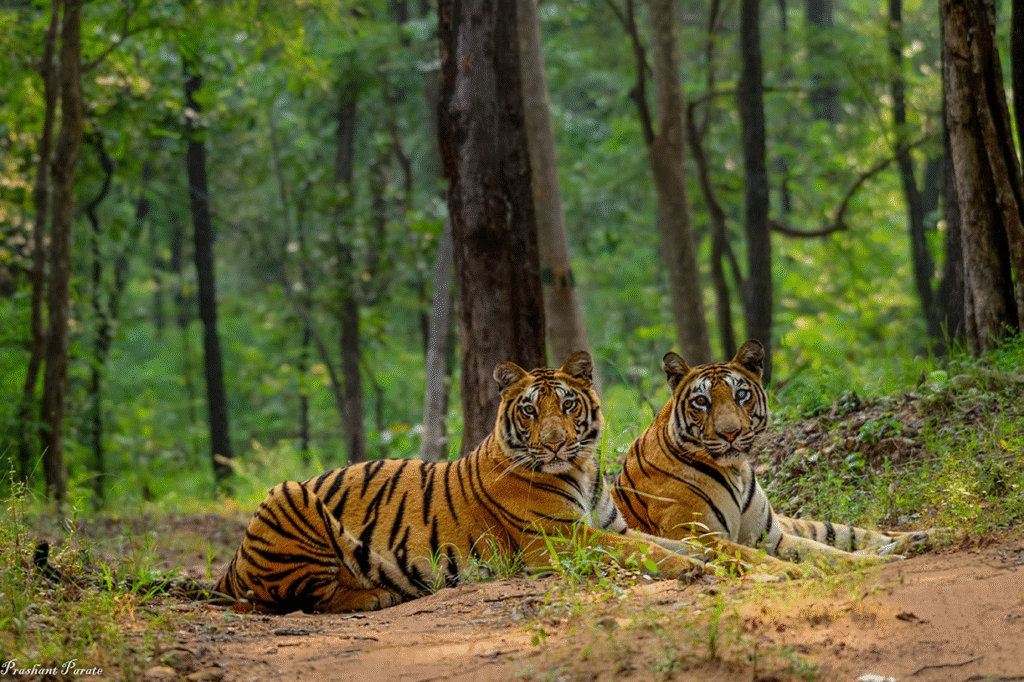
| Type | Tiger reserve — jeep safari + unique Denwa River boat safari |
| Key Wildlife | Tiger, leopard, dhole, sloth bear, gaur (Indian bison), 300+ birds |
| Safari Season | October 1 – June 30 · Core zone closes July 1 – September 30 |
| Zones | Madhai zone (closest to Pachmarhi area) · Churna zone |
| Unique Feature | Denwa River boat safari — drift through the reserve and watch wildlife at the bank |
| Booking | Permits required — book in advance. MP Vacation handles permits for all Pachmarhi safari clients. |
The Satpura Tiger Reserve’s boat safari on the Denwa River is one of the most unusual wildlife experiences in India. You approach elephants, crocodiles, and occasionally tigers from the water rather than from a vehicle — which changes the dynamic entirely. For wildlife visitors, MP Vacation specifically recommends combining a Madhai zone jeep safari with the Denwa boat experience in the same visit.
Rajendragiri — The Sunset Viewpoint
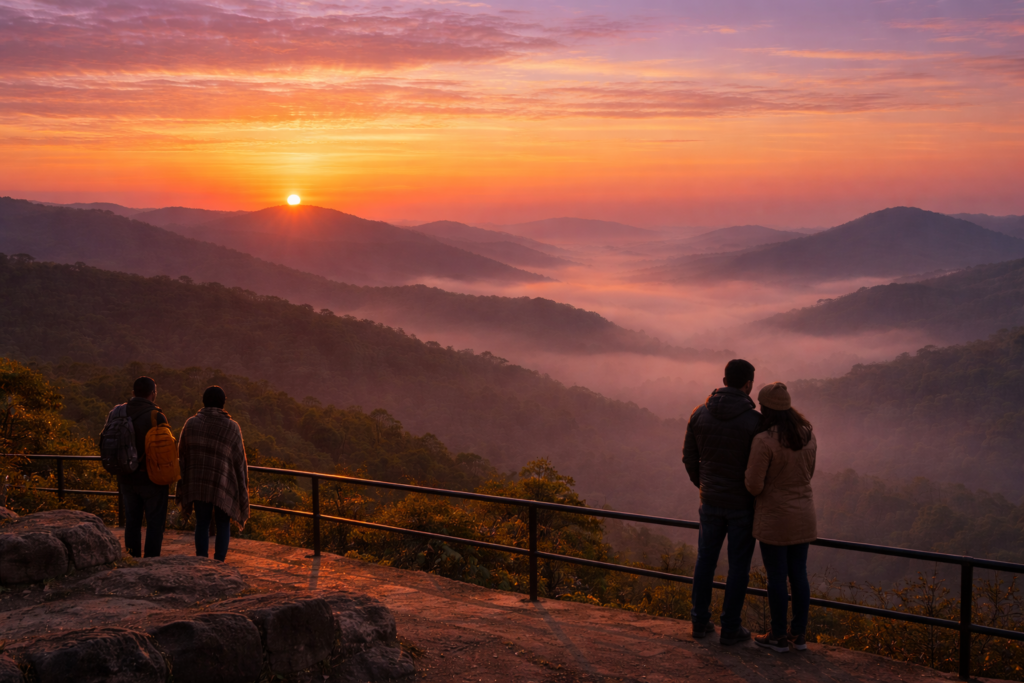
| Type | Panoramic viewpoint — sunset facing |
| Named After | Dr Rajendra Prasad, first President of India — a frequent visitor |
| Best For | Sunset · Panoramic views of Satpura range and distant Narmada plain |
| Access | Short drive + walk from Pachmarhi town |
| Note | Less crowded than Dhoopgarh — good alternative on days when Dhoopgarh is packed |
Rajendragiri is the overlooked sibling of Dhoopgarh. The sunset view from Rajendragiri is different — you face a different direction than Dhoopgarh and the framing of the Satpura ridges is distinct. On the most crowded Dhoopgarh evenings (December weekends especially), Rajendragiri gives a quieter version of the same golden light without the crowd.
Christ Church — Colonial Heritage
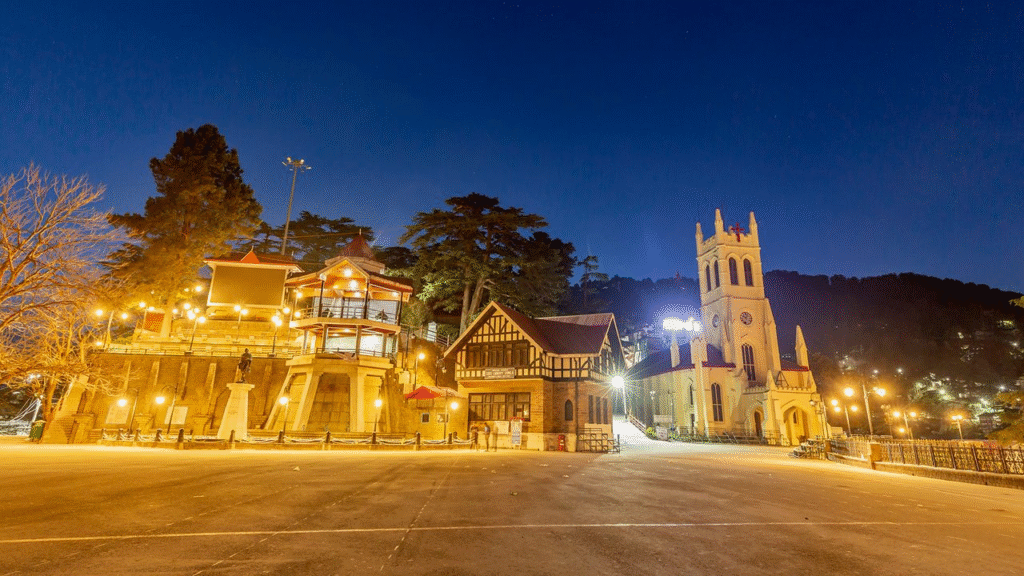
Built by Captain Forsyth of the Bengal Lancers in the 1860s — the officer who discovered Pachmarhi for the British military — Christ Church is the most intact piece of colonial-era architecture in the hill station. The stone building with its arched windows and bell tower sits among tall trees in a clearing that has barely changed since the 19th century. It is still an active church and can be visited respectfully by all visitors.
Reechgarh Cave — The Bear Cave
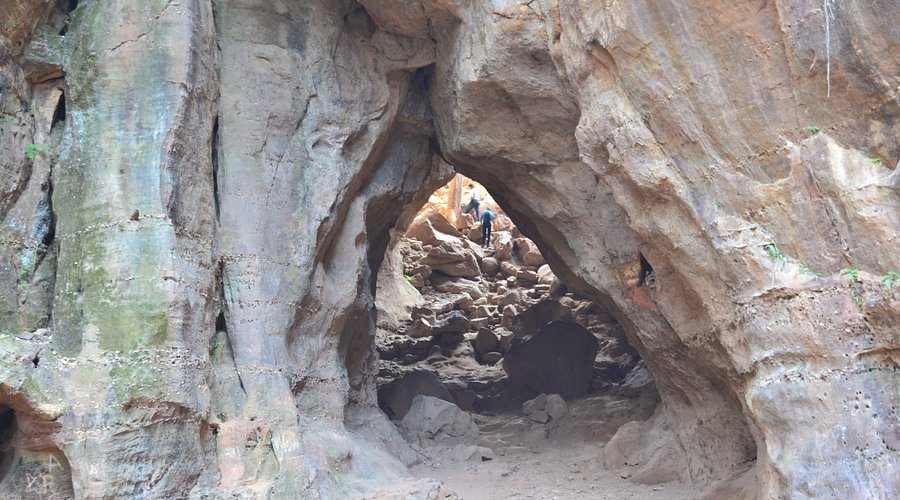
Reechgarh (Bear Cave) is a natural cave large enough to walk through, historically home to sloth bears before the tourist influx. The cave itself is not dramatic, but the surrounding forest trail and the opportunity for children to explore an actual cave system make it a worthwhile addition to a full Pachmarhi itinerary.
Bison Lodge Museum — The Starting Point
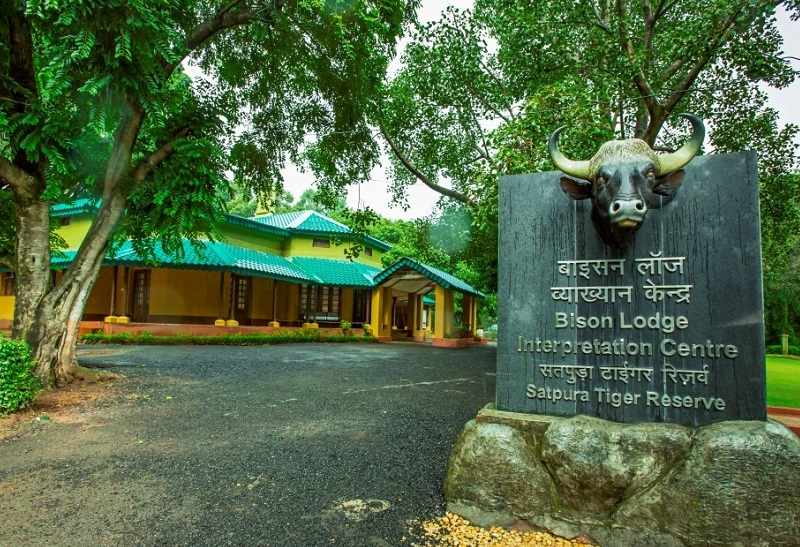
| Type | Museum of forest heritage + official permit office |
| Function | Day permits for forest zone sightseeing are issued here — you must come here first |
| Collection | Colonial-era natural history exhibits, wildlife photography, Satpura Reserve documentation |
| Practical Importance | Every Pachmarhi sightseeing day begins here for the forest permit — plan 15–20 minutes |
Rock Shelters of Mahadeo Hills — Prehistoric Paintings
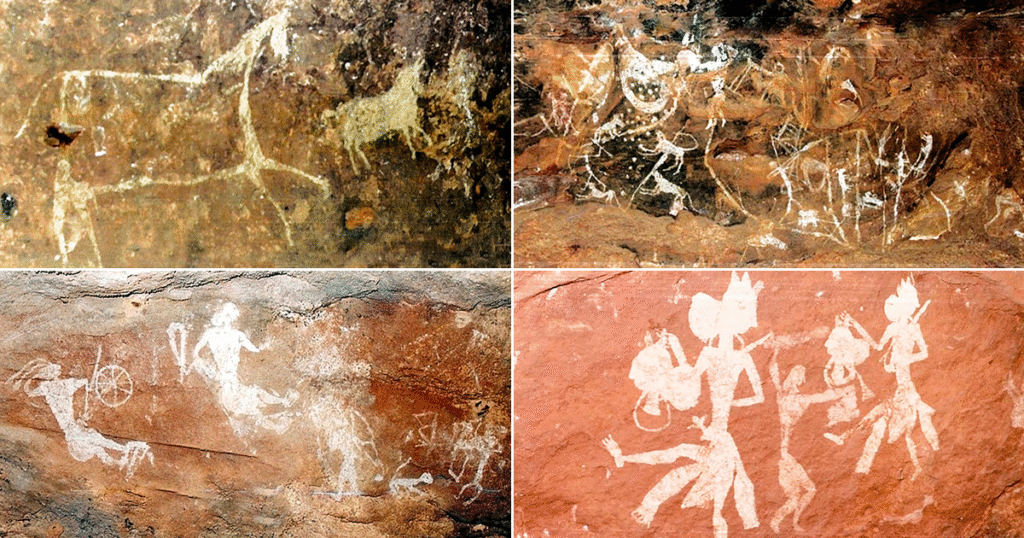
The Pachmarhi area contains prehistoric rock shelter paintings in the Mahadeo Hills — similar in age and style to the more famous Bhimbetka paintings (30,000+ years). Few tourists know about or seek out these sites, which makes them more atmospherically powerful than their better-known counterparts. A forest permit and guide are required. MP Vacation includes this in extended 4-day Pachmarhi packages for travellers interested in archaeology.
Chauragarh Temple Trek — The Pilgrimage Summit
| Type | Temple trek to mountain summit — Lord Shiva shrine |
| Distance | Approximately 10 km round trip · 1,326 metre elevation |
| Difficulty | Moderate to difficult · 1,300+ steps in the final section |
| Best Season | October–February · Cold but manageable · Avoid in heavy monsoon |
| Significance | Major Shiva pilgrimage — Mahashivaratri draws thousands to the summit |
| Duration | Full day — depart by 7 AM for comfortable return by 4 PM |
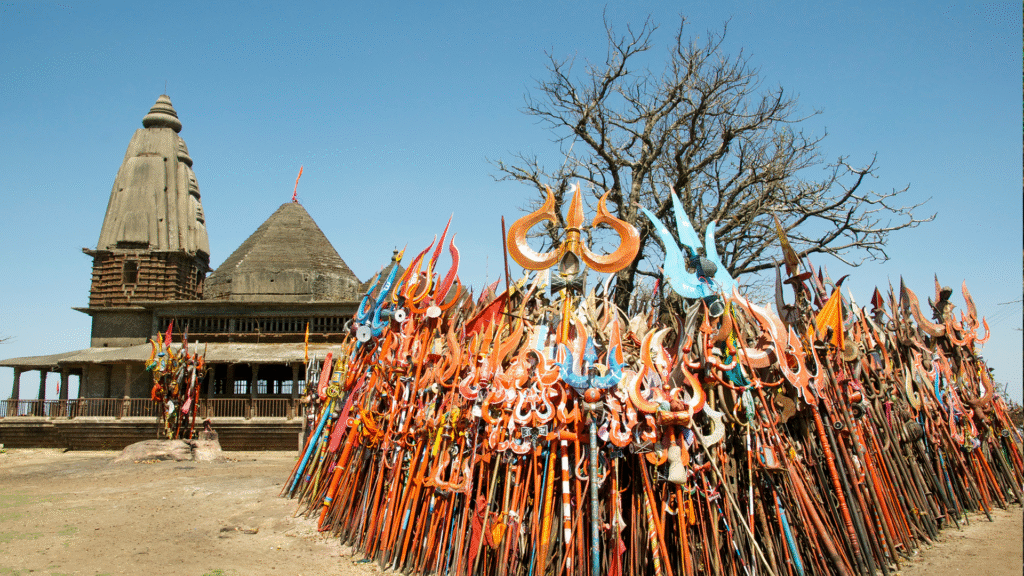
Chauragarh is Pachmarhi’s most demanding and most rewarding experience for those physically capable of the trek. The final section — over 1,300 steps — leads to a Shiva temple on a summit that looks out across the entire Satpura plateau. On clear winter mornings the view extends to the horizon in every direction. The trident staffs planted at the summit over generations create one of the most striking visual environments in Madhya Pradesh.
Quick Reference — All 15 Places

| Place | Best For | Gypsy Needed? |
| Dhoopgarh | Sunrise/sunset views | Yes — forest route |
| Bee Falls | Waterfall + swimming | Yes — to trailhead |
| Rajat Prapat | Tallest waterfall view | Yes |
| Pandav Caves | History + mythology | No — short walk |
| Jata Shankar | Cave temple, gorge | No — walkable |
| Handi Khoh | Gorge viewpoint | Yes |
| Apsara Vihar | Family swimming | Yes |
| Duchess Falls | Hidden cascade trek | Yes |
| Satpura Safari | Wildlife — tiger, leopard | Yes — safari vehicle |
| Rajendragiri | Sunset viewpoint | No — short drive |
| Christ Church | Colonial heritage | No |
| Reechgarh Cave | Cave exploration | Yes |
| Bison Lodge Museum | Permits + history | No — town location |
| Rock Shelter Paintings | Prehistoric art | Yes + guide |
| Chauragarh Trek | Full day pilgrimage trek | No — road to base |
FAQ’S
1. Is Pachmarhi worth visiting in 2026?
Yes. Pachmarhi is a great destination for nature lovers, families, couples, and adventure seekers, with waterfalls, caves, temples, viewpoints, and scenic Satpura landscapes.
2. What are the best places to visit in Pachmarhi?
Popular places include Dhupgarh, Bee Fall, Pandav Caves, Jata Shankar, Apsara Vihar, Handi Khoh, Rajat Prapat, Gupt Mahadev, and Chauragarh Temple.
3. How many days are enough for a Pachmarhi trip?
A 2-day Pachmarhi trip is enough to cover many major attractions. A 3-day itinerary is better if you want more time for hiking, waterfalls, photography, and relaxed sightseeing.
4. What is the best time to visit Pachmarhi?
October to February is generally comfortable for sightseeing and outdoor activities, while the monsoon season can be attractive for greenery and waterfalls.
5. What is Pachmarhi famous for?
Pachmarhi is famous for its Satpura scenery, waterfalls, caves, temples, forests, viewpoints, and peaceful hill-station atmosphere.