Discover smart ways to save more money every month with practical budgeting tips, spending habits, and financial strategies to build lasting wealth.
Let’s be honest: most financial advice is exhausting. It tells you to stop buying coffee, cook every single meal from scratch, and live like a monk until you retire. But that is a quick way to burn out and give up entirely.
Saving money isn’t a moral test, and it shouldn’t feel like a punishment. It is simply about giving yourself options. When you have a cash cushion, an unexpected car repair is just an annoying Tuesday, not a financial disaster that ruins your month. Here is how to actually make saving work in the real world, without losing your mind.
Stop Guessing Where Your Money Goes
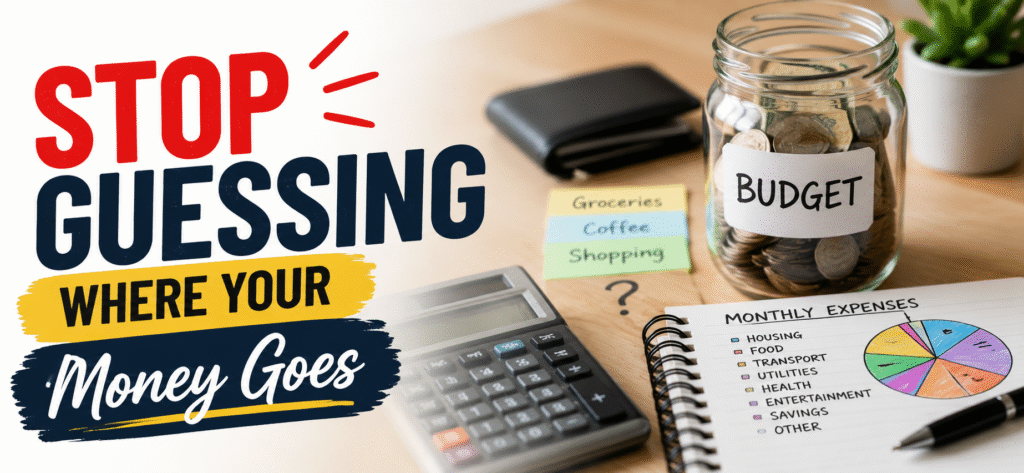
If you do not know where your money goes, you cannot save it. You do not need a complex spreadsheet with color-coded categories. Just open your banking app and look at the last 30 days.
Do not judge yourself; just look at the raw numbers. We rarely go broke from buying major things like a new TV. We usually leak money through small, automatic habits—the streaming services we forgot to cancel, the daily convenience store stops, or the quick food delivery orders when we are too tired to cook. Once you see these patterns, you can decide if those purchases are actually bringing you joy, or if you would rather keep that cash in your bank account.
Treat Savings Money Like a Bill
If your strategy is to save “whatever is left over” at the end of the month, you will almost always save zero. Human nature is simple: if we see money in our checking account, we find a way to spend it.
The easiest fix is to automate the process. Set up your bank account to automatically transfer a specific amount—even if it is just $20 or $50—into a separate savings account the exact day you get paid. If you never see that money in your main account, you will naturally adjust your spending to whatever is left.
Forget the “Six-Month” Money Rule for Now
Most financial experts tell you to immediately save six months of living expenses. If you are starting from zero, that number looks impossible, so you don’t even try.
Forget the six-month rule for now. Your first goal is to save $1,000. That is enough to cover a typical emergency, like a flat tire or a broken appliance, without putting it on a high-interest credit card. Once you hit that first milestone, the momentum will make it much easier to keep going. Keep this emergency money in a separate bank so you aren’t tempted to touch it for everyday spending.
Tackle High-Interest Debt First
You cannot build savings effectively if you are paying 20% interest on credit card debt. That interest is actively eating your future wealth.
If you have credit card balances, make that your primary target. Every dollar of debt you pay off is a guaranteed return on your investment because you stop paying interest on it. Pay the minimums on everything else, and throw any extra cash you have at the balance with the highest interest rate.
Manage the “Lifestyle Creep”

The moment most people get a raise or a bonus, their spending automatically rises to match it. They buy a nicer car, move into a more expensive apartment, and suddenly feel just as stressed about money as they did when they made less.
When you get a raise, celebrate it. But instead of upgrading your entire life, take half of that raise and route it directly into your savings or investments. You still get to enjoy the other half of the extra money, but you prevent your expenses from outgrowing your future security.
Real-World Habits That Actually Work
You do not need to change everything overnight. Just pick one or two simple habits to start:
- The 72-Hour Rule: If you want to buy something online that you don’t actually need, leave it in your cart for three days. Usually, the impulse fades, and you realize you didn’t really want it anyway.
- Keep Food Simple: Dining out and ordering delivery are the fastest ways to drain a budget. You do not have to cook gourmet meals. Just mastering three or four simple, cheap recipes that yield great leftovers will save you hundreds of dollars a month.
- Buy Quality Over Cheapness: Buying a cheap pair of shoes that wears out in six months is more expensive than buying a durable pair that lasts for years. Whenever you can, save up for things that last.
Conclusion
Saving money is a marathon, not a sprint. You do not need to be perfect. Just focus on being consistent, making slightly better decisions today than you did yesterday, and letting the progress compound over time.
Saving more money every month doesn’t require a dramatic lifestyle change. It starts with understanding your spending habits, creating a practical budget, setting clear goals, and making small but consistent improvements. Every dollar saved today strengthens your financial future and provides greater flexibility tomorrow.
Remember that successful money management is built through steady habits rather than perfect decisions. By following these smart strategies and remaining committed to your financial goals, you can steadily increase your savings, reduce financial stress, and enjoy greater peace of mind for years to come.
FAQ’S
1.How much money should I save every month?
A common recommendation is to save at least 20% of your monthly income. However, any amount saved consistently is better than not saving at all.
2.What is the easiest way to start saving?
Automate transfers to your savings account immediately after receiving your paycheck. This makes saving consistent and removes the temptation to spend first.
3.How can I save money on everyday expenses?
Track your spending, prepare meals at home, compare prices before shopping, use cashback programs, and cancel subscriptions you no longer use.
4.Why is an emergency fund important?
An emergency fund helps cover unexpected expenses such as medical bills, car repairs, or temporary income loss without relying on high-interest debt.
5.What is the biggest mistake people make when trying to save money?
Many people wait until the end of the month to save whatever is left. Saving first and spending afterward is usually a much more effective strategy.