
There is a distinct shift in reality that occurs the moment you cross the border into Goa. Travel Whether you land at the sprawling Manohar International Airport in Mopa, the older coastal hub in Dabolim, or watch the palm trees blur past your window from a Konkan Railway train, the air immediately feels different. It gets heavier, saltier, and instantly strips away the frantic, high-stress pace of modern life.
Goa carries a massive weight of expectation. People talk about it as if it’s one single, uniform strip of sand—either a continuous, loud beach party or a sleepy, forgotten paradise. But Goa is a shape-shifter. If you blindly head to the first beach you see on a map, you might find yourself trapped in a noisy, commercial traffic jam surrounded by generic souvenir stalls. To discover the real Goa—the one defined by ancient banyan trees, rich Indo-Portuguese villas, and empty stretches of sand where the waves drown out the rest of the world—you have to learn how to read the landscape like a local.
Travel Budget Realities: Playing the Smart Game in the Coastal Economy
Let’s dismantle a common travel myth right away: Goa can be as incredibly cheap or as unforgivably expensive as you choose to make it. If your idea of a vacation involves booking luxury beachside resorts in the dead of January, taking private SUVs everywhere, and dining exclusively at high-end fusion restaurants, your bank account will take a serious beating. However, if you understand the local rhythm, you can experience the absolute best of this coast on a thoroughly modest budget.
The most critical financial decision you will make is timing. The peak season runs from November to February, when the weather clears into a beautiful, low-humidity paradise. During this window, accommodation prices skyrocket. If you want the beach shacks and clear skies but want to keep your wallet intact, aim for the shoulder windows—late October or March. Alternatively, the monsoon season transforms Goa into a dense, emerald jungle. While the ocean is too rough for swimming and the beach shacks pack away their umbrellas, the hinterland waterfalls thunder to life, and luxury boutique properties drop their rates by over 50%.
When it comes to moving your body across the state, skip the traditional private cars unless you are traveling with a large family or heavy luggage. Goa does not use standard app-based rideshare networks like Uber or Ola. The local taxi ecosystem operates on fixed, premium rates that can drain your budget in forty-eight hours.
Navigating the Coast: Finding Your Travel True Beach Match

Goa’s coastline stretches for over a hundred kilometers, split into two entirely distinct worlds by the Zuari and Mandovi rivers. Choosing where to drop your bags will completely dictate the tone of your trip.
The Vibrant North: Energy, Rocks, and Creative Chaos
If you thrive on movement, live music, diverse culinary scenes, and a bit of beautiful chaos, North Goa is your spiritual home. This is where the modern travel culture of the state was born.

- Candolim and Sinquerim: This stretch offers a clean, highly accessible entryway into the North. The sand is wide, the water sports are fully operational, and it balances family-friendly resort comfort with excellent dining options.
- Anjuna and Vagator: Marked by stunning red cliffs and rocky shores, these neighborhoods hold the bohemian, artistic heart of the state. It’s where you will find clifftop sundowner spots, flea markets, and a highly international crowd of long-term travelers.
- Arambol and Mandrem: Tucked into the far northern tip, these beaches cater to those looking for a slower, alternative vibe. Think sunset drum circles, beachside yoga mats, and a distinctly casual, creative community.
The Serene South: Space, Palms, and Slower Horizons

If your ultimate goal is to close your laptop, escape the crowds, and listen to the rhythm of the tide, pass right through the North and head straight to South Goa. Here, the sand shifts from golden to fine white, and the pace slows down to a crawl.
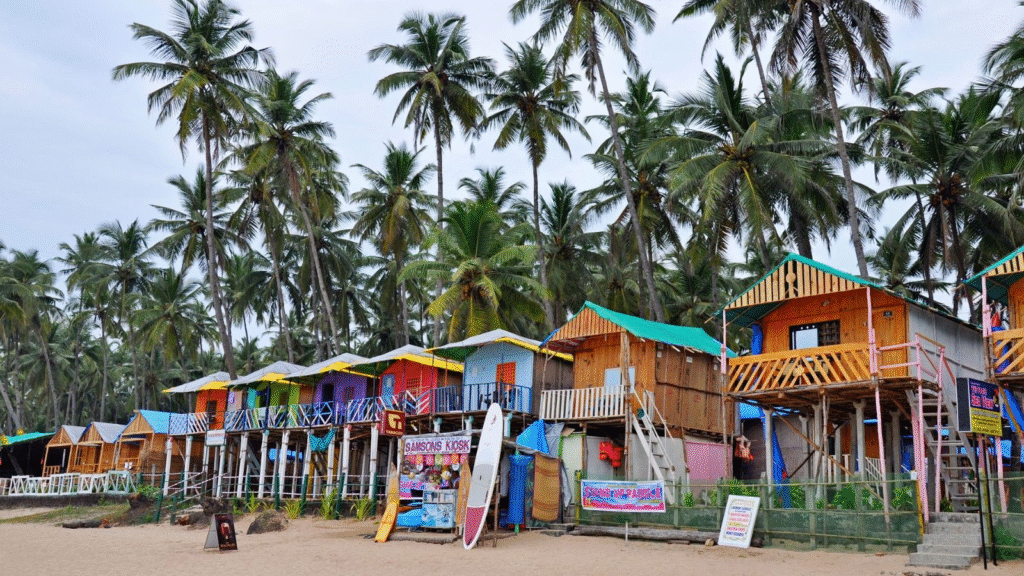
- Palolem: A breathtaking crescent-shaped bay flanked by rocky headlands and coconut groves. It is highly photogenic, shallow enough for easy swimming, and lined with colorful, temporary wooden beach huts that are rebuilt every season.
- Agonda: A massive, wide-open stretch of sand dedicated to peace and eco-preservation. Part of this beach is a protected nesting ground for Olive Ridley turtles, meaning loud music and heavy commercial development are strictly banned. It is the perfect place to sit back and watch the horizon.
- Benaulim and Varca: These central southern stretches offer endless, quiet expanses of white sand where you can walk for miles without bumping into a crowd. The resorts here are spaced far apart, ensuring absolute privacy.
The Culinary Journey: A Rich Collision of Coconut, Spice, and History
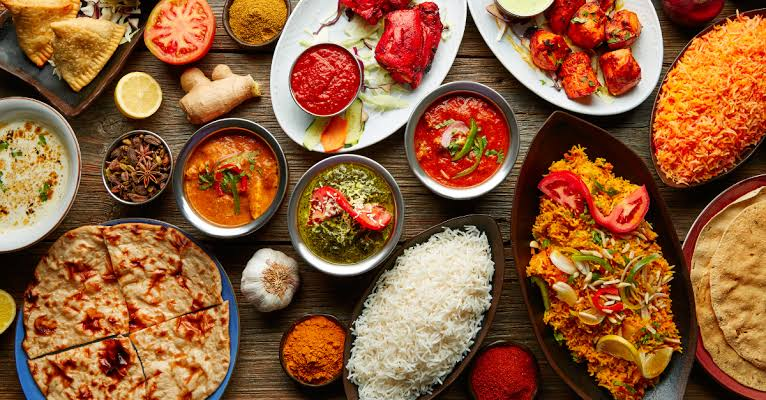
You cannot truly say you have experienced Goa until you have explored its kitchens. The food here is not just standard coastal fare; it is a spectacular, historical collision between traditional Konkani flavors and centuries of Portuguese colonial rule. It is a cuisine defined by the sharp tang of local toddy vinegar, the rich creaminess of fresh coconut, and the fiery kick of Kashmiri and local chilies.
If you eat seafood, bypass the overly polished hotel buffets and find a seat at a busy local tavern or a beachfront shack. Order a classic Goan Fish Curry Rice (Xitt Codi). This is the staple food of the state, made with fresh kingfish or pomfret simmered in a heavily spiced coconut and raw mango gravy. For something with a serious textural crunch, try Rava Fried Prawns, where fresh prawns are marinated in local spices, crusted in fine semolina, and shallow-fried until golden.
For meat lovers, the state offers two iconic masterpieces. First is Chicken Cafreal, an intensely flavorful dish where chicken is marinated in a thick, vibrant green paste of fresh coriander, mint, lime juice, and whole spices, then slow-cooked until tender. Second is the legendary Pork Vindaloo. Forget the generic, burning-hot versions found in Western takeout spots; authentic Goan Vindaloo is a masterful balance of heat, garlic, and a deep, sour tang from palm vinegar that cuts through the richness of the meat.
Vegetarians are equally well taken care of in Goan homes. Look out for Alsande Tonak (a rich curry made with local red kidney beans and roasted grated coconut) or Vegetable Caldine, a mild, fragrant, yellow coconut milk curry that highlights the natural sweetness of local seasonal vegetables.
The Safety Blueprint: Respecting the Land and Traveling Smart

Goa is generally one of the most welcoming, safe, and comfortable destinations in India for solo travelers, groups, and families alike. The local population is incredibly hospitable, and violent crime is extraordinarily rare. However, traveling smart means maintaining basic situational awareness so that minor mishaps don’t ruin your holiday.
The ocean requires your absolute respect. The Arabian Sea can look calm and inviting, but the undercurrents along certain beaches—particularly areas like Calangute or parts of the far north—can change drastically within minutes. Always pay attention to the flags placed by the lifesavers on the beach. A red flag means stay out of the water completely, no exceptions. If you choose to swim, stay within the designated safe zones and never enter the water after consuming alcohol.

When exploring the state on a rented scooter, remember that Goan roads are narrow, winding, and frequently shared with roaming cattle, pedestrians, and large tourist buses. Take your time, maintain a steady speed, and never ride under the influence of alcohol. The local traffic police strictly enforce helmet laws, and driving under the influence carries severe legal consequences.
From a cultural perspective, Goa is highly progressive but deeply rooted in traditional family values. When you leave the sand, throw a shirt or a sundress over your swimwear. Walking through local village markets, supermarkets, or historical sites in just bikinis or board shorts is considered highly disrespectful to the residents. When visiting sacred spaces like the Basilica of Bom Jesus in Old Goa or local temples in Ponda, dress conservatively by keeping your shoulders and knees covered, and always remove your shoes where indicated.
Frequently Asked Questions
1.Which airport should I fly into for my Goa trip?
Goa now operates with two functional international airports. If you are staying in North Goa (places like Arambol, Mandrem, Vagator, or Anjuna), book your flight to Manohar International Airport (MOPA) in the far north. If you are staying in South Goa (like Palolem, Agonda, or Benaulim), the older Dabolim Airport (GOI) is significantly closer and will save you hours of travel time and taxi fares.
2.What is the absolute best way to travel between North and South Goa?
Because the two regions are separated by a major river network and urban centers, traveling between them takes roughly two to three hours. The most budget-friendly method is taking a local train between Thivim or Karmali stations (North) and Madgaon station (South). If you prefer road travel, hiring a pre-paid taxi through official airport/station counters or using the state-run electric bus services provides a reliable alternative to private transport unions.
3.Is it safe for solo female travelers to explore Goa?
Yes, Goa is widely considered one of the safest states in India for solo female travelers due to its liberal, hospitable culture and bustling tourist areas. To ensure a smooth experience, choose well-reviewed hostels or registered homestays, avoid exploring completely isolated beach stretches alone late at night, and use authorized pre-paid transportation when moving between towns after dark.
4.Can I visit Goa during the monsoon season?
Absolutely. Visiting Goa between June and September offers a completely different, highly peaceful experience. The landscape turns a vivid, lush green, prices for luxury stays drop to their annual lows, and nature spots like the Dudhsagar Waterfalls are at peak flow.
5.When is the best time to visit Goa?
The best time depends on your preference. Some travelers prefer the busy season for its lively atmosphere, while others prefer quieter months or monsoon for a more peaceful experience.