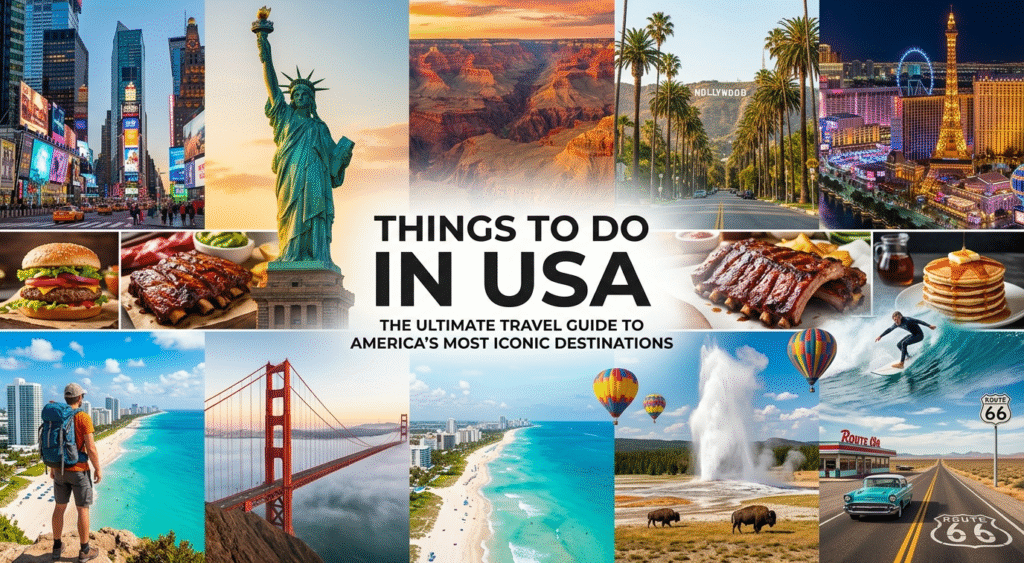
One thing straight before we even look at a map: trying to plan so a Travel trip to the United States is an absolute mental workout.
You aren’t dealing with a normal, run-of-the-mill country here. It’s essentially a massive, sprawling continent masquerading under a single flag so One minute you’re dodging yellow cabs and breathing in steam from the subway grates in Manhattan, and a few days later. You’re standing in dead, heavy silence. The edge of the Grand Canyon, realizing just how tiny you are.
Crossing a state line in America isn’t just about changing geography. A total shift in the accent coming at you from across the counter, the food piled onto your plate, the local speed of life, and the culture.
If you try to see “everything” in one go, you will end up exhausted, broke, and staring at a highway lane divider for 14 hours straight. To save you from that rookie mistake, here is the completely honest, unfiltered guide to the absolute best spots in the US, the low-key detours actually worth your time, and the ground realities of surviving the journey.
Travel A New York City: Pure, Unfiltered Human Energy
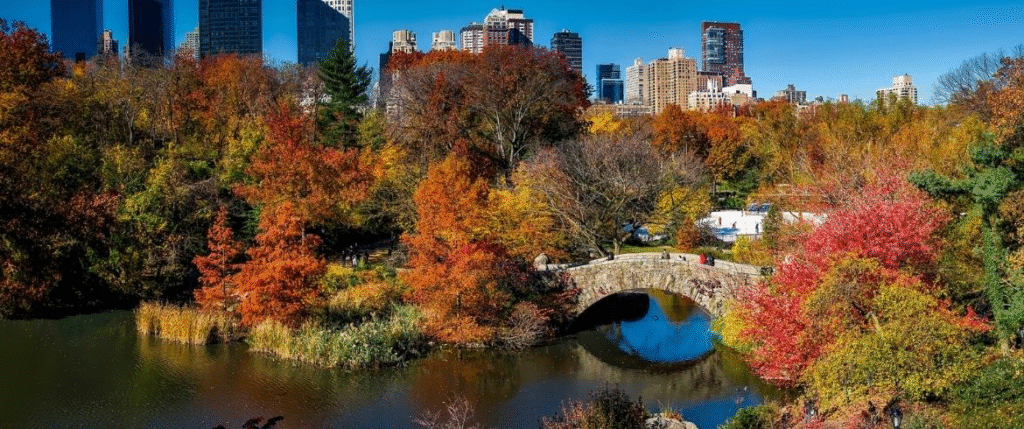
There is an electric, almost physical hum to New York that smacks you in the face the second you leave the airport. People call it the city that never sleeps, but the real magic is that it’s just a hundred fiercely proud, hyper-local neighborhoods crammed onto a few islands.
- The Vibe: Fast, loud, and brilliantly chaotic.
- What to actually do: Skip the tourist traps of Times Square after your first ten-minute walk. Instead, grab a strong coffee and wander the brownstone-lined streets of the West Village. Walk the High Line (an old elevated railway turned park) in the afternoon, and squeeze into a dark, basement jazz club in Greenwich Village by night.
- The Food: New York is a city where you can eat a greasy, world-class slice of pizza on a paper plate for a couple of bucks, grab late-night dim sum in Chinatown, and follow it up with a Michelin-starred tasting menu that costs as much as your rent.
Travel The Grand Canyon: Nature’s Ultimate Reality Check
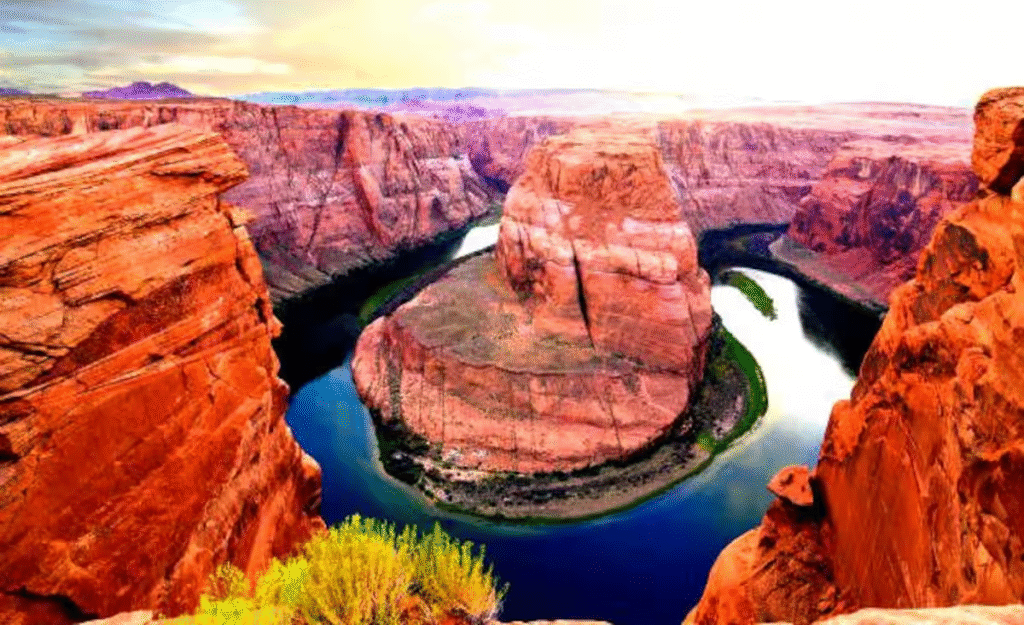
Most global landmarks have a hard time living up to the sheer mountain of hype surrounding them. The Grand Canyon is the rare exception that actually makes you gasp when you see it.
- The Vibe: Ancient, quiet, and dizzyingly massive.
- What to actually do: Set a painful 4:30 AM alarm and get to the South Rim before the sun breaks. Watching the deep shadows crawl back to reveal miles of glowing orange, red, and gold rock is a core memory you’ll keep forever. If you’re active, don’t just stand at the railing. Hike down into the canyon along the Bright Angel Trail—just remember that coming back up takes twice as long and three times the sweat.
- The Insider Move: If you have the time and budget, booking a multi-day rafting trip down the Colorado River lets you look up at the towering, ancient walls from the absolute bottom.
Travel Yellowstone: Earth’s Raw, Steaming Playground
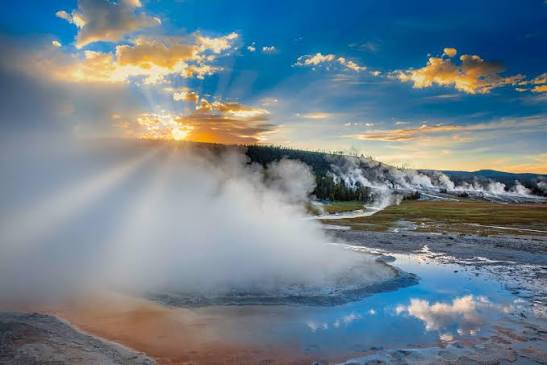
Spanning across Wyoming, Montana, and Idaho, Yellowstone sits directly on top of an active, restless supervolcano. The earth feels a alive here—sometimes aggressively so.
- The Vibe: Prehistoric, wild, and unpredictable.
- What to actually do: Walk the wooden boardwalks around the Grand Prismatic Spring. The water is a brilliant, almost unnatural neon blue ringed by fiery orange bacteria. Watch Old Faithful shoot boiling water high into the sky right on schedule, and keep your eyes peeled for wildlife.
- The Wildlife Traffic Jam: You haven’t truly experienced Yellowstone until you’ve been stuck in a 40-car backup because a massive, but thousand-pound bison has decided the double yellow aline on the highway is his personal walking lane.
Travel Hawaii: The Ultimate Neurological Reset

Hawaii isn’t just a destination; it’s a physiological shift. The moment that thick, warm, flower-scented air hits you at the gate, your shoulders drop, your jaw relaxes, and your internal clock immediately slows down.
- The Vibe: Laid-back, lush, and deeply restorative.
- Which island to choose? They all have totally different souls. Go to Oahu for surf culture and historic spots like Pearl Harbor. Pick Maui to drive the winding, white-knuckle Road to Hana past hidden waterfalls. Head to the Big Island to walk on crunchy, jet-black volcanic rock, or escape to Kauai (the Garden Isle) for dramatic, emerald cliffs that look like a scene from Jurassic Park.
- Local Rule: Eat fresh poke out of a plastic tub on the beach, respect the ocean currents, and leave the turtles alone.
The Underdogs (The Hidden Gems Worth the Miles)
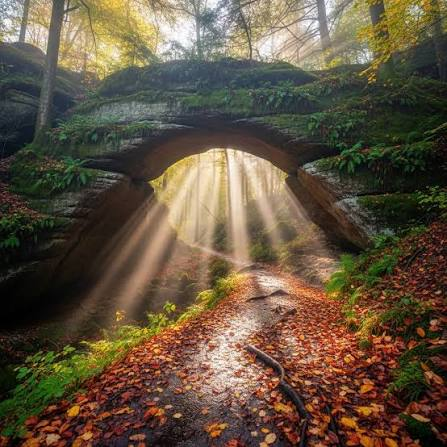
If you want to dodge the massive international tour buses and see where the locals actually go, clear some space on your itinerary for these spots:
- Sedona, Arizona: A desert town cradled by massive, brilliant red rock formations that look like they were painted by hand. It’s a magnet for hikers, artists, and anyone looking to experience the area’s famous spiritual “vortexes.”
- Nashville, Tennessee: The undisputed capital of live music. You can walk into almost any dive bar on Broadway at two in the afternoon on a Tuesday and hear a band that is better than anyone on your local radio station playing purely for tips. Pair the tunes with a plate of local hot chicken (just prepare your stomach for the spice).
- Charleston, South Carolina: A coastal city that feels like a time capsule. Think cobblestone streets, grand historic homes, massive oak trees dripping with Spanish moss, and some of the best, most comforting Southern food you will ever taste.
- Lake Tahoe, California/Nevada: A massive, crystal-clear alpine lake sitting high in the Sierra Nevada mountains. It’s a year-round dream—offering world-class skiing in the winter and incredible hiking, paddleboarding, and cliff-jumping in the summer.
- Acadia National Park, Maine: Tucked away on the rocky, rugged coast of New England, this park is a stunning mix of deep pine forests, granite peaks, and crashing ocean waves. It’s also the absolute best place in the country to eat fresh lobster right off the boat.
Timing Your Trip Right

Because the weather in the US varies wildly from border to border, when you go matters just as much as where you go.
- Spring (March–May): The sweet spot. You’ll beat the suffocating summer heat in the Southern states, the deserts are blooming, and Washington, D.C. is covered in cherry blossoms.
- Summer (June–August): Peak travel season. This is the best time for beach trips in the Pacific Northwest or New England, and it’s the only time high-altitude mountain passes (like those in Glacier National Park) are fully clear of snow. Just prepare for heavy crowds and peak prices.
- Fall (September–November): A traveler’s favorite. The Northeast turns into a stunning palette of deep reds and yellows, the summer crowds melt away, and the air turns crisp and cool.
- Winter (December–February): Go to Colorado, Utah, or Lake Tahoe if you want to shred some snow. If you absolutely hate the cold, head straight to Florida or Hawaii to thaw out.
The No-BS Reality Checks

Before you book those flights, keep these practical truths in mind so you don’t get caught off guard:
- You Need a Car (Most of the Time): Unless you are spending your entire trip inside New York City, San Francisco, or Chicago, public transit in the US is limited. If you want to explore national parks or go coastal, renting a car is non-negotiable.
- Tipping is Part of the Bill: In the US, service workers rely on tips to survive. At sit-down restaurants, leaving 15% to 20% of the total bill before tax is the standard expectation for decent service.
- Get Travel Insurance: This is not a drill. Healthcare in the US is private and mind-bogglingly expensive. A simple trip to the emergency room for a sprained ankle or a bad stomach bug can easily run into thousands of dollars out of pocket. Don’t risk it.
- Grab the National Parks Pass: If you plan on visiting more than three national parks on your trip, do not pay individual entry fees. Buy the “America the Beautiful” pass for $80. It covers entry to every single national park and federal recreation site for a full year.
The Verdict

The real beauty of the United States is that it rarely feels like the same country twice. It’s a massive, complicated, breathtakingly diverse patchwork of landscapes, cultures, and people. The best way to tackle it isn’t to try and see it all, but to pick one corner, slow down, and let it surprise you.
Final Thoughts
The United States is a destination that offers endless opportunities for exploration, adventure, and unforgettable memories. Whether you’re captivated by the dazzling skyline of New York City, the breathtaking beauty of the Grand Canyon, the tropical beaches of Hawaii, or the vibrant culture of New Orleans, every journey across America reveals something extraordinary.
From iconic landmarks and scenic road trips to hidden gems and world-famous national parks, the USA truly has something for every traveler. With thoughtful planning, the right itinerary, and a spirit of adventure, your American vacation can become the trip of a lifetime. Whether you’re visiting for a week or embarking on a cross-country adventure, the experiences you gather will stay with you forever.
FAQs
1. What is the best place to visit in the USA for first-time travelers?
New York City, the Grand Canyon, and San Francisco are among the best destinations for first-time visitors.
2. What is the best time to travel to the USA?
Spring (March–May) and fall (September–November) offer pleasant weather and fewer crowds.
3. Which US destination is best for families?
Orlando is the top choice, thanks to its world-famous theme parks and family-friendly attractions.
4. What are the top natural attractions in the USA?
The Grand Canyon, Yellowstone National Park, Yosemite National Park, and Hawaii are must-visit natural wonders.
5. How many days are ideal for a USA vacation?
A 10–14 day trip is ideal for exploring multiple cities and major attractions comfortably.