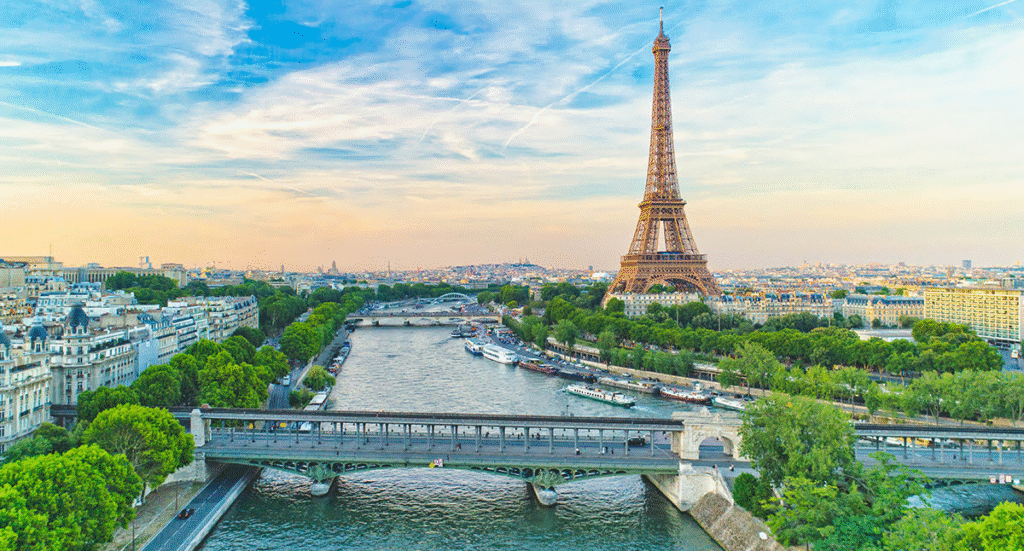
There are some cities that live up to the hype, and then there is Paris. Long before I ever set foot there, I had a movie playing in my head: quiet mornings with a warm croissant, elegant stone streets, artists sketching by the Seine, and the Eiffel Tower lighting up the night sky. But when I finally arrived, I realized something surprising. Paris isn’t actually defined by its big, famous postcards. The real magic happens in the blank spaces between them.
Whether you’re plotting your very first trip or heading back to see what else the French capital has up its sleeve, Paris has this rare way of blending grand history with simple, everyday moments. This guide isn’t about rushing you through a checklist—it’s about helping you navigate the city smoothly, like a local, so you can actually enjoy the ride.
Why Everyone Falls in Love with Paris
Paris doesn’t really feel like one massive metropolis; it feels like a collection of distinct little villages (arrondissements), each with its own heartbeat. You can turn a corner from a street lined with high-end designer boutiques and suddenly find yourself in a bustling open-air market, or stumbling onto a hidden courtyard where old men are playing petanque while kids chase pigeons.
It’s a city that wears its history completely out in the open. Centuries-old gothic churches sit right across the street from trendy modern art galleries, and historic stone bridges connect neighborhoods that feel worlds apart. Whether you are obsessed with architecture, photography, fashion, or just want to eat your weight in butter, Paris gives you a reason to fall in love with it.
When to Go Paris
The best time to visit really depends on what kind of mood you’re chasing.
- Spring: This is the classic, romantic window. The city basically wakes up from its winter slumber—tulips bloom in the parks, the iconic green chairs in the gardens fill up, and the weather is just right for walking all day without melting or freezing.
- Summer: The energy shifts into overdrive. The days stretch out forever, the sun doesn’t set until late, and everyone moves outside to drink wine on the edge of the Seine. It is incredibly lively, though you will be sharing the city with peak tourist crowds and higher prices.
- Autumn: If you ask frequent travelers, a lot of them will tell you this is the sweet spot. The summer rush clears out, the leaves turn stunning shades of copper and gold, and the crisp air gives you the perfect excuse to duck into cozy cafes.
- Winter: Paris takes on a moody, cinematic feel. The streets are draped in holiday lights, Christmas markets pop up, and you can actually walk straight into major museums without waiting in massive lines. Plus, hotel rates drop significantly.
The Big Sights (That You Still Need to See) Paris
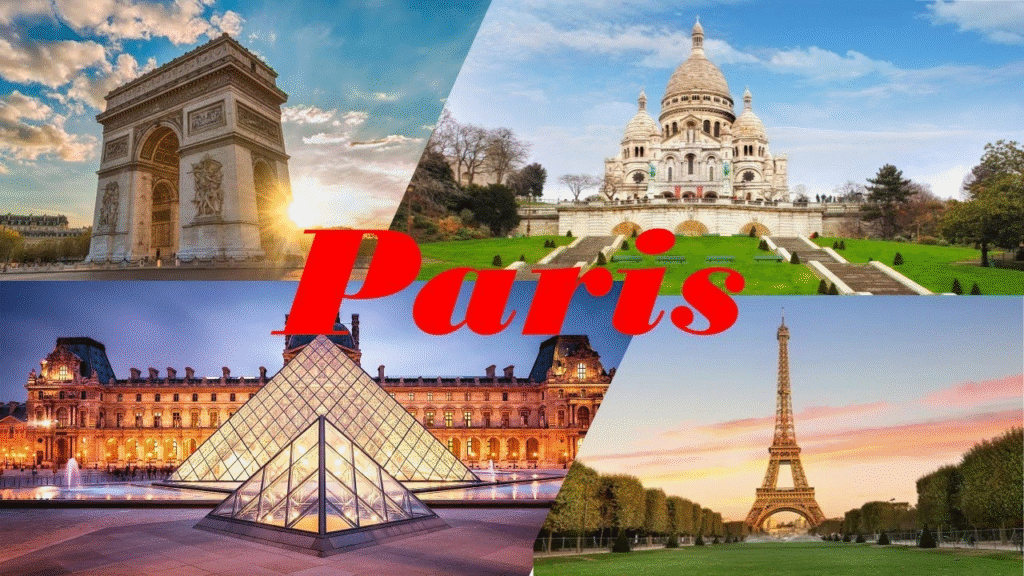
Yes, they are touristy, but they earned their fame honestly.
- The Eiffel Tower: You think you’ve seen it enough in pictures, but standing underneath it is a completely different story. Make sure you’re somewhere nearby when the sun goes down—watching it sparkle on the hour for the first time is unforgettable.
- The Louvre Museum: It’s an absolute maze, and you couldn’t see everything even if you spent a week inside. Go in with a game plan, check out the heavy hitters like the Mona Lisa or Venus de Milo, but give yourself time to just get lost in the massive sculpture galleries.
- Notre-Dame Cathedral: Even as it recovers and restores its history, its towering presence by the river remains the physical and historic heart of Paris.
- Arc de Triomphe: Skip the chaotic traffic circle at the bottom and take the underground tunnel to climb to the top. The view looking straight down the twelve grand avenues radiating out from the center is one of the best perspectives in the city.
- Montmartre: This hilly neighborhood still feels like the old bohemian village it used to be. Winding cobblestone streets, street painters setting up easels in the square, and accordion music floating out of cafes make it incredibly charming.
- Sacré-Cœur Basilica: Perched at the absolute highest point of Montmartre. Sitting on the steps outside at dusk while street musicians play is a rite of passage.
Finding the Real Paris Beyond the Icons
If you want the memories that actually stick with you, you have to throw away the itinerary for a morning.
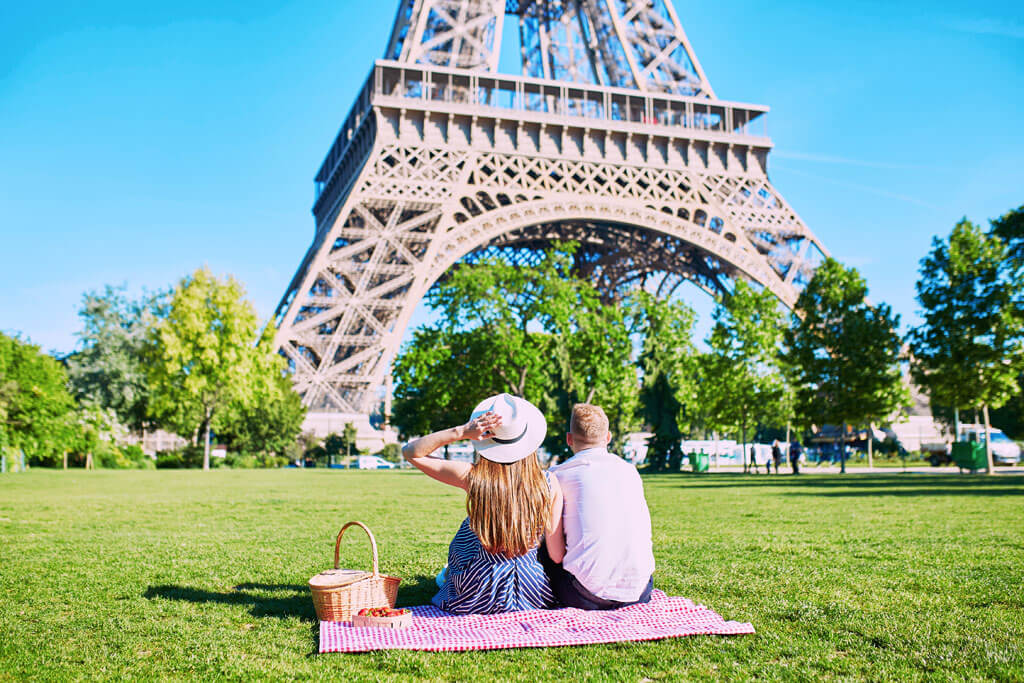
Walk along the banks of the Seine with nowhere to be, stopping to look at the vintage books and old posters sold by the bouquinistes from their green metal boxes. Buy some fruit, local cheese, and a fresh baguette, and head to the Luxembourg Gardens to claim a green metal chair by the fountain. Find a local marché (food market) on a weekend morning and just watch how Parisians interact, argue over tomatoes, and live their lives. Those are the moments where the city stops feeling like a museum and starts feeling real.
Figuring Out Transportation
Don’t let the map intimidate you; Paris is surprisingly easy to navigate.
- The Metro: It is fast, clean, cheap, and covers practically every inch of the city. Once you figure out that you just need to know the end station of the line to know which direction you’re going, you’re golden.
- Walking: This is the secret to a great Paris trip. The city is dense, and many of the big sights are much closer together than they look on a map. If you take the metro everywhere, you miss the hidden courtyards and tiny boutiques in between.
- Bikes: Paris has heavily invested in dedicated bike lanes, and the city’s bike-sharing apps make it incredibly easy to grab a set of wheels for a quick ride down the riverbanks.
The Food: How to Eat Your Way Through the City
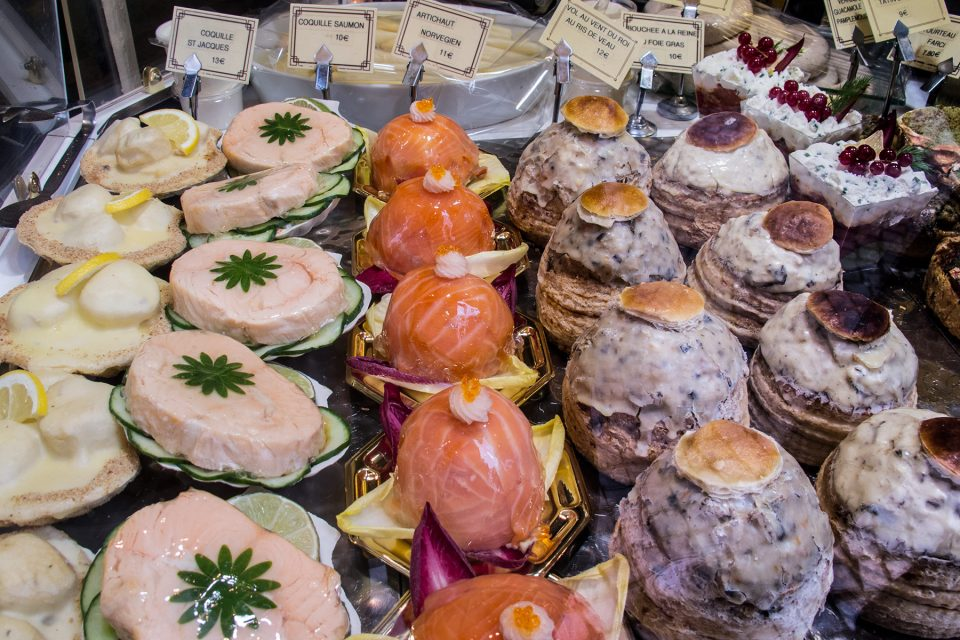
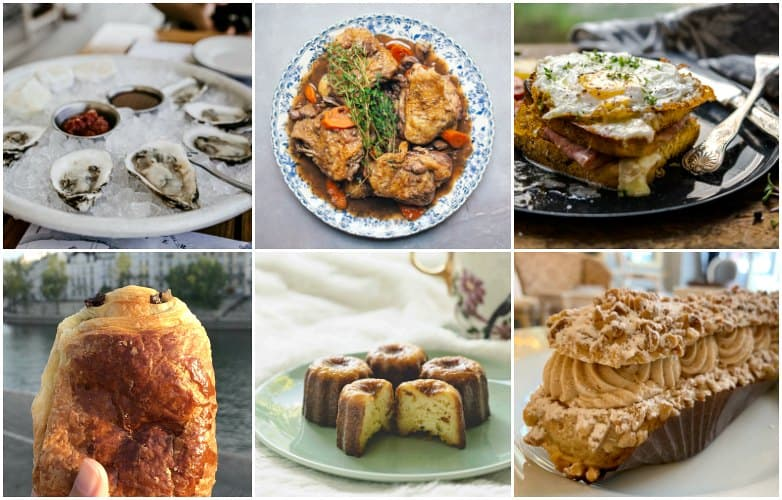
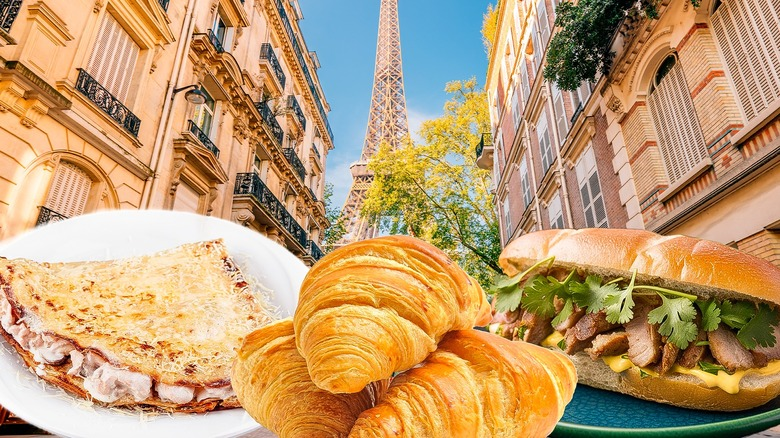
Eating in Paris isn’t just fuel; it’s a lifestyle.
Start your day right by finding the closest boulangerie (bakery) and ordering a croissant or a pain au chocolat. You want to look for places that smell like heaven and have a line of locals out the door. For a quick lunch, grab a classic jambon-beurre (ham and butter on a perfect baguette) or a warm crêpe from a street window.
When dinner rolls around, look for traditional, cozy bistros rather than flashy tourist traps near the monuments. Try classic comfort food like duck confit, steak frites, or a rich bowl of French onion soup. And absolutely do not leave without sitting at a tiny round sidewalk table, ordering a coffee or a glass of wine, turning your chair toward the street, and just watching the world walk by.
Deciding Where to Stay
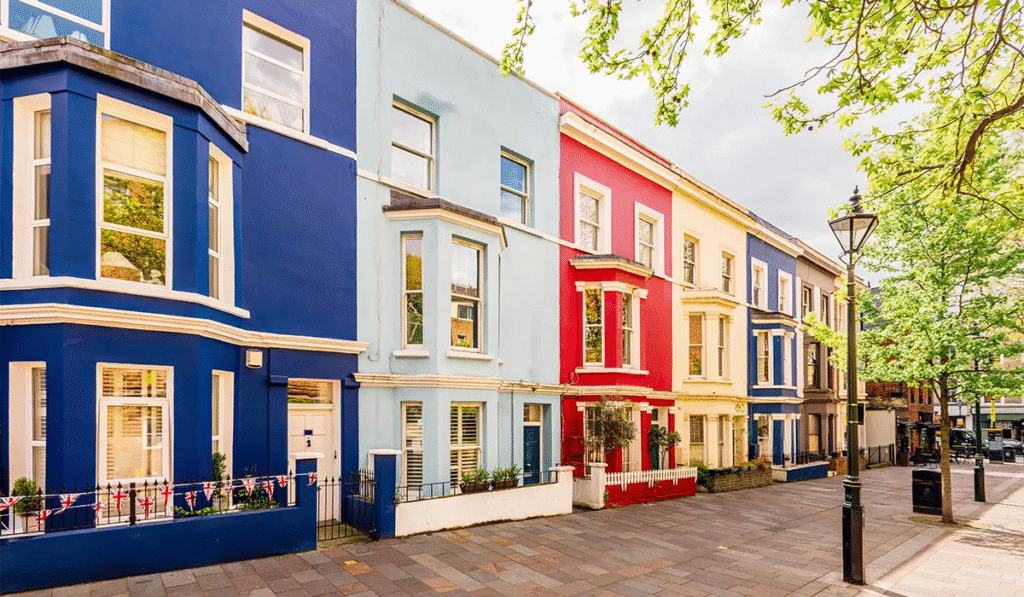
Your neighborhood will set the baseline tone for your whole trip.
If it’s your first time and you want to be able to walk to the big sights, staying centrally along the Seine is convenient. If you prefer a trendier, more historic neighborhood feel, look into Le Marais with its narrow medieval streets and amazing food scene, or Saint-Germain-des-Prés for classic literary history and upscale cafes. Families or groups staying for more than a few days usually do best renting a local apartment, while couples might love the intimate feel of the city’s countless small boutique hotels.
A Realistic Look at Budgets
Paris has a reputation for being incredibly expensive, but you can absolutely tailor it to your wallet:
- The Budget Lane (€80–€120/day): Think hostels or simple rooms, relying purely on the metro and walking, eating bakery sandwiches or putting together grocery store picnics, and sticking to the massive list of free parks, churches, and neighborhoods.
- The Mid-Range Lane (€180–€300/day): A comfortable, stylish hotel room, sit-down dinners at neighborhood bistros, paid museum entry tickets, and the occasional taxi when your feet give out.
- The Luxury Lane (€500+/day): Staying in iconic five-star properties, fine dining at Michelin-starred spots, private guides, and shopping in the historic couture houses.
A Few Insider Travel Tips
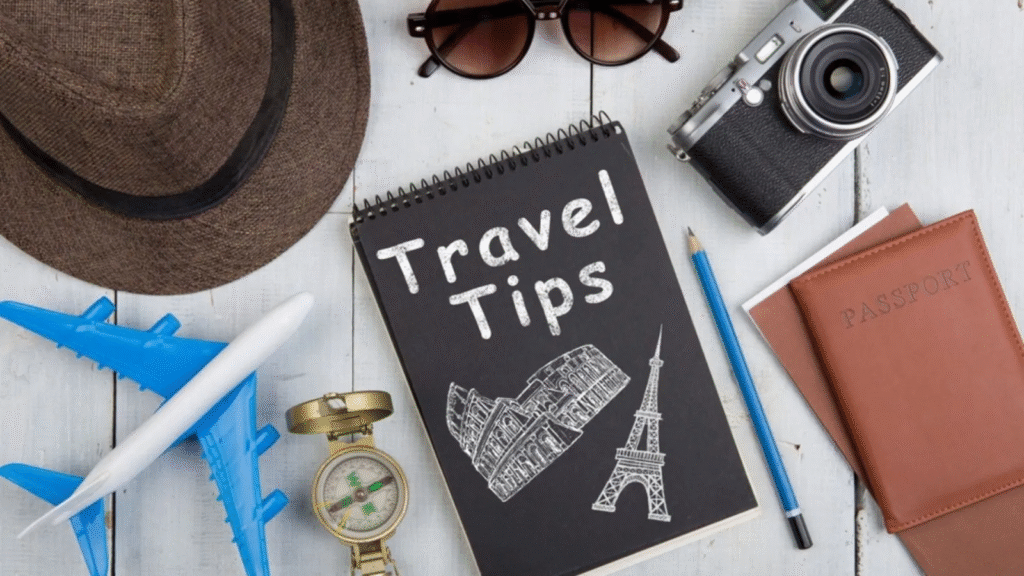
- The Magic Word: Always, always say “Bonjour” when you walk into a shop, step into a taxi, or order food. It’s not just a greeting; it’s a basic sign of respect in France. If you skip it, people will assume you’re being intentionally rude, and your service will reflect that.
- Save Your Feet: Pack your most comfortable, broken-in walking shoes. You will easily log miles of walking over uneven cobblestones and up subway stairs. Leave the brand-new shoes or painful heels at home.
- Outsmart the Crowds: Book your museum and Eiffel Tower tickets online weeks before you leave home. Trying to buy them at the gate means wasting hours of your precious vacation standing in hot lines.
- Keep an Eye on Your Pockets: Paris is generally safe, but pickpockets are incredibly fast and professional, especially on crowded Metro lines and around the base of the Eiffel Tower. Keep your phone out of your back pocket and keep your bags zipped up.
A Simple, Balanced 5-Day Itinerary
Don’t try to cram everything into one trip. Give the city room to breathe.
- Every Day 1: Start at the Trocadéro for the iconic view of the Eiffel Tower, walk down through the gardens, and end your afternoon with a casual boat cruise along the Seine to get your bearings.
- Day 2: Spend the morning with the classics at the Louvre, take a slow stroll through the Tuileries Garden, and head up the grand Champs-Élysées.
- Day 3: Head up into the hills of Montmartre. Explore the back alleys, visit the Sacré-Cœur, and spend a slow afternoon listening to street musicians.
- Day 4: Take a short train ride out of the city to see the incredible Hall of Mirrors and the sprawling grounds at the Palace of Versailles.
- Day 5: Spend your final day shopping and eating through the historic streets of Le Marais, resting your feet in the Luxembourg Gardens, and wrapping it all up with a long, slow French dinner.
What to Pack
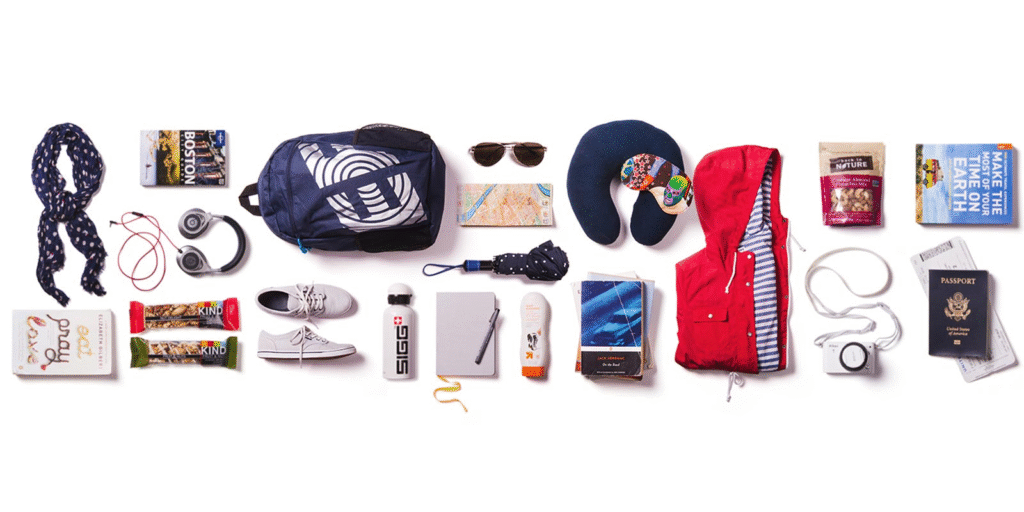
Keep it light—you don’t want to be dragging massive suitcases over cobblestones or up four flights of winding apartment stairs.
- Layers: The weather can shift quickly, so a light jacket or trench coat is key.
- Tech Essentials: A European travel plug adapter, a portable power bank so your phone doesn’t die while navigating, and a small umbrella for sudden showers.
- A Reusable Tote Bag: Perfect for carrying fresh bread, fruit, or bookstore finds.
Final Thoughts
Paris isn’t simply a collection of famous landmarks; it’s a city best experienced at your own pace. Some of the most memorable moments come from watching the sunset beside the Seine, finding a quiet neighborhood café, listening to street musicians in Montmartre, or discovering a hidden bookstore tucked away on a side street.
Every visit feels different because Paris is constantly revealing new experiences. Whether you’re admiring world-famous art, tasting freshly baked pastries, exploring historic neighborhoods, or simply enjoying a leisurely walk through beautiful streets, you’ll understand why so many travelers return again and again.
If you’re planning your first adventure to the City of Light, don’t focus on checking every attraction off a list. Instead, allow yourself time to experience the atmosphere, meet local people, and create memories that go beyond photographs. Paris has a unique way of making even ordinary moments feel extraordinary, and that’s what makes it one of the world’s most unforgettable travel destinations.
Frequently Asked Questions
1. How many days should I spend in Paris?
Four to five days is ideal for seeing the main attractions while still enjoying the city’s atmosphere.
2. What is the best month to visit Paris?
April, May, September, and October are excellent months thanks to pleasant weather and manageable crowds.
3. Is Paris safe for tourists?
Yes. Paris is generally safe, but like any major city, it’s important to stay aware of your surroundings and protect your belongings.
4. Can I visit Paris on a budget?
Absolutely. Affordable accommodation, public transportation, free attractions, and local bakeries make budget travel possible.
5. What food should I try in Paris?
Don’t miss croissants, baguettes, macarons, crêpes, French onion soup, steak frites, duck confit, and a variety of French cheeses.