

Remote work has become an attractive career option for people who want flexibility, want to avoid daily commuting, or need to balance work with their personal responsibilities. Remote Jobs It can also provide an opportunity for students, fresh graduates, career changers, and people returning to the workforce to develop professional skills from home.
One of the biggest misconceptions about remote work is that every job requires years of experience or advanced qualifications. Although some positions require specialised training, many entry-level opportunities focus on communication, organisation, basic computer knowledge, customer service, or a willingness to learn.
Finding your first remote job still requires preparation. You need to identify suitable roles, build relevant skills, create a professional resume, and apply through legitimate job platforms.
In this guide, we explore the best remote jobs for beginners with no experience, including their responsibilities, essential skills, and practical steps to help you get started.
What Are Remote Jobs for Beginners?

Remote jobs are positions that allow employees or contractors to perform some or all of their work outside a traditional office. Depending on the employer, you may work entirely from home, follow a hybrid arrangement, or work remotely with occasional meetings.
Beginner-friendly remote jobs are positions that do not necessarily require previous professional experience. Employers may provide training or consider candidates who demonstrate the necessary basic skills, reliability, and ability to learn.
However, no experience does not always mean no requirements. Some employers ask for educational qualifications, language proficiency, a portfolio, specific software knowledge, or availability during particular working hours.
Before applying, read the job description carefully and confirm whether the position is genuinely entry-level.
1. Virtual Assistant
A virtual assistant provides administrative support to businesses, entrepreneurs, and independent professionals remotely. This is a useful starting point for people who are organist, dependable, and comfortable handling everyday computer tasks.
Common responsibilities include managing calendars, organising files, scheduling appointments, responding to routine emails, preparing documents, and updating spreadsheets.
Skills required: Basic computer knowledge, written communication, time management, attention to detail, and familiarity with tools such as Google Workspace or Microsoft Office.
How to get started: Practise creating spreadsheets, organising calendars, and drafting professional emails. You can create sample schedules or administrative documents to demonstrate your abilities when applying for entry-level positions.
Virtual assistant work can lead to opportunities in executive assistance, project coordination, operations, and administrative management.
2. Customer Support Representative

Customer support representatives help customers resolve problems, understand products, and access services. Many businesses offer remote support through email, live chat, telephone, or online ticketing systems.
Typical tasks include answering customer questions, explaining product features, tracking complaints, processing routine requests, and escalating complicated issues to the appropriate team.
Skills required: Clear communication, patience, problem-solving, active listening, and basic computer skills.
How to get started: Practise writing polite responses to common customer questions. Learn how customer support systems work and prepare examples showing how you would handle an unhappy customer professionally.
Some positions require telephone communication, shift work, or a quiet home workspace. Check the language and equipment requirements before applying.
3. Data Entry Operator
Data entry operators enter, update, organist, and verify information in digital systems. The work may involve spreadsheets, customer records, inventory details, invoices, or other business documents.
This role can suit beginners who are comfortable working carefully with information and following instructions.
Skills required: Typing accuracy, attention to detail, basic spreadsheet knowledge, organisation, and the ability to handle information responsibly.
How to get started: Practise using spreadsheet software, sorting data, formatting cells, and checking entries for errors. Create a small sample spreadsheet using fictional information to demonstrate your skills.
Data entry positions vary considerably. Some involve repetitive tasks, while others require familiarity with databases or specialised software. Be cautious of offers promising unusually high earnings for simple data entry work, especially when an upfront payment is required.
4. Content Writing

Content writers create useful written material for websites, blogs, businesses, and digital publications. Common assignments include informational articles, product descriptions, website pages, newsletters, and educational content.
This can be a suitable remote career for beginners who enjoy researching topics and explaining information clearly.
Skills required: Writing, grammar, research, editing, audience awareness, and basic search engine optimisation (SEO).
How to get started: Choose two or three topics you understand, write original sample articles, and organist them into a simple portfolio. Learn how to structure headings, write informative introductions, verify facts, and edit your work.
AI writing tools can assist with brainstorming and editing, but writers should verify claims, avoid copying material, and ensure the final content is accurate and original.
With experience, content writers may specialise in SEO writing, technical writing, copywriting, or editorial work.
5. Social Media Assistant
A social media assistant helps businesses maintain their presence on platforms such as Instagram, Facebook, LinkedIn, and other relevant channels.
Tasks may include preparing captions, scheduling posts, researching content ideas, responding to routine comments, organising a content calendar, and reviewing basic engagement statistics.
Skills required: Written communication, creativity, organisation, familiarity with social platforms, and basic visual content skills.
How to get started: Create a sample one-week content calendar for a fictional business. Practise writing captions and designing simple graphics with a beginner-friendly design tool. Include your sample work in a portfolio and explain the purpose behind your content choices.
This role can develop into social media management, digital marketing, content strategy, or community management.
6. Online Tutor

Online tutoring involves teaching or helping learners understand a subject through video calls, online classrooms, or digital learning platforms.
If you have a strong understanding of mathematics, science, English, languages, or another academic subject, tutoring may be an option even if you have not held a formal teaching job.
Skills required: Subject knowledge, communication, patience, lesson preparation, and the ability to explain concepts clearly.
How to get started: Identify the subjects and learner levels you can confidently teach. Prepare a short sample lesson and practise explaining a difficult concept in simple language.
Some platforms require degrees, teaching credentials, or subject-specific qualifications. Check these requirements before applying, particularly for specialised or regulated teaching roles.
7. Transcriptionist
Transcriptionists convert audio or video recordings into written text. The material may include interviews, meetings, educational recordings, podcasts, or other content.
The work requires careful listening and accurate typing. Some assignments also involve identifying speakers, adding timestamps, or following specific formatting guidelines.
Skills required: Listening comprehension, typing accuracy, grammar, concentration, and familiarity with transcription software.
How to get started: Practise transcribing short recordings that you are permitted to use. Compare your transcript with the original audio and check punctuation, names, and missed words.
Some transcription roles require excellent command of a particular language or specialised terminology. Automated transcription tools can help, but human review is often necessary to correct errors.
8. Website and App Tester
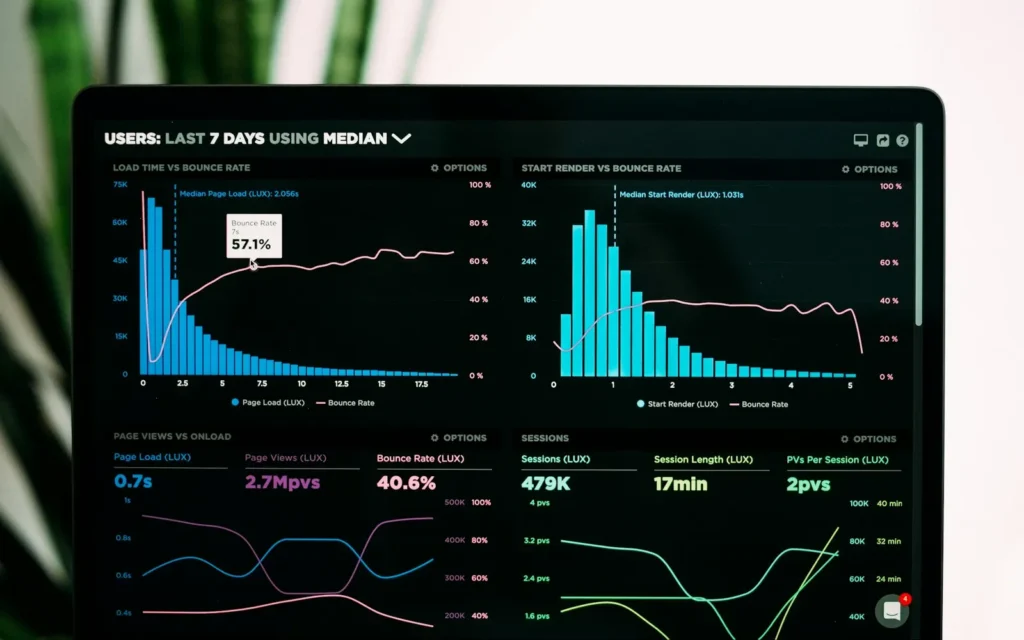
Website and app testers evaluate how easy it is to use a digital product. Depending on the role, testers may follow a set of instructions, complete tasks, report confusing features, or document technical problems.
Some beginner-friendly usability testing opportunities do not require programming experience. However, formal software testing jobs may require technical knowledge and structured testing skills.
Skills required: Attention to detail, clear reporting, problem-solving, basic digital literacy, and the ability to follow testing instructions.
How to get started: Practise reviewing a website’s navigation, forms, mobile layout, and accessibility. Record specific issues and explain how they affect the user experience. Never test or access systems without permission.
Before joining a testing platform, review its payment policies, eligibility rules, and privacy requirements. Available assignments can be irregular, so this work may not provide consistent income.
9. Email and Chat Support Agent
Email and chat support agents communicate with customers through written channels rather than relying primarily on telephone calls.
Responsibilities may include answering product questions, explaining policies, updating customer records, and guiding users through troubleshooting steps.
Skills required: Professional writing, spelling and grammar, patience, multitasking, and the ability to follow company guidelines.
How to get started: Practise writing short, clear answers to frequently asked questions. Learn how to structure a response that acknowledges a customer’s problem, explains the next step, and provides a useful solution.
Some employers combine chat support with telephone work. Confirm the actual responsibilities rather than assuming every written-support position is completely phone-free.
10. SEO Assistant

An SEO assistant supports website optimisation by researching keywords, organising content, checking links, reviewing page titles, and helping maintain website information.
This role may suit beginners who are interested in websites, digital marketing, and how search engines help people discover information.
Skills required: Research, attention to detail, basic writing, spreadsheet skills, and an understanding of SEO fundamentals.
How to get started: Learn about search intent, title tags, meta descriptions, internal linking, and descriptive image alt text. Practise reviewing a sample webpage and prepare a short report explaining possible improvements.
You do not need to master every SEO tool before applying for junior positions. However, you should understand the basics and be prepared to explain your recommendations.
11. Graphic Design Assistant
Graphic design assistants help create visual materials for social media, presentations, websites, advertisements, and marketing campaigns.
Some entry-level opportunities focus on simple design tasks using accessible tools, while professional design roles may require advanced software knowledge and a strong portfolio.
Skills required: Visual communication, layout awareness, attention to detail, creativity, and familiarity with design software.
How to get started: Create a small portfolio containing original social media graphics, promotional banners, and presentation slides. Demonstrate how you use spacing, typography, and colour to make information easy to understand.
A portfolio is particularly valuable because it allows potential employers to assess your work even if you have not worked professionally as a designer.
12. E-commerce Assistant
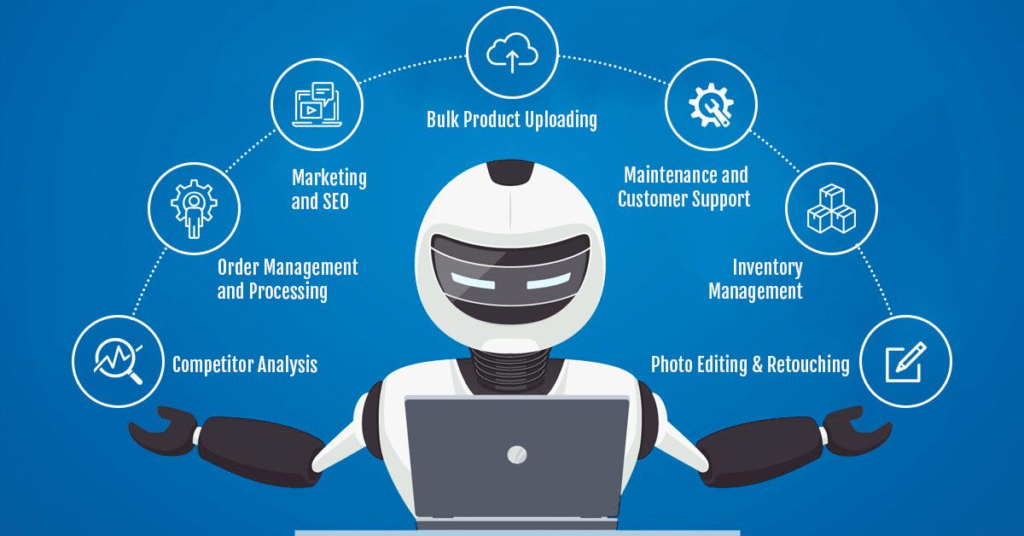
E-commerce assistants help online businesses manage their digital stores. Depending on the employer, the work may involve updating product listings, checking descriptions, organising orders, responding to customer questions, and maintaining inventory information.
Skills required: Organisation, accuracy, basic spreadsheet knowledge, customer service, and familiarity with online shopping platforms.
How to get started: Practise writing clear product descriptions, organising sample inventory data, and checking product details for consistency. Learn the basics of product categories, order processing, and online store administration.
Some positions require experience with a specific e-commerce platform, so highlight any relevant training or practical projects on your resume.
13. Lead Generation Assistant
Lead generation assistants help businesses identify potential customers who may be interested in their products or services.
Tasks can include researching companies, locating publicly available business contact information, organising prospect lists, and updating customer relationship management (CRM) systems.
Skills required: Online research, accuracy, organisation, spreadsheet knowledge, and professional communication.
How to get started: Practise researching a small list of relevant businesses using public sources. Organise the information in a spreadsheet and record where each detail came from.
Use legitimate sources and follow applicable privacy and marketing rules. Avoid employers who expect you to collect private information improperly or send unsolicited messages in violation of platform policies.
14. Proofreading Assistant

Proofreaders review written material to identify spelling, punctuation, grammar, formatting, and consistency issues. Remote Jobs They may work on blog posts, website copy, educational materials, reports, or business documents.
This role can be suitable for people who enjoy language and notice small mistakes. However, professional proofreading requires more than relying on automatic spell-checking.
Skills required: Strong language skills, attention to detail, grammar knowledge, and the ability to follow a style guide.
How to get started: Practise editing sample paragraphs and explain the corrections you make. Develop familiarity with common grammar problems and learn to preserve the writer’s intended meaning.
A portfolio showing before-and-after editing samples can help demonstrate your ability to prospective clients.
15. Research Assistant
Remote research assistants collect, organist, and summarise information to support business projects, academic work, market research, or content development.
Tasks may include reviewing reliable sources, comparing information, organising findings, preparing summaries, and maintaining reference lists.
Skills required: Research, critical thinking, accurate note-taking, clear writing, and spreadsheet or document management.
How to get started: Choose a straightforward topic and prepare a short research report using credible sources. Include links to the references and distinguish verified facts from opinions or uncertain information.
Some research roles require specialised subject knowledge or academic qualifications. Look for junior research, market research support, or research operations positions that match your background.
How to Choose the Right Remote Job

Not every remote job is suitable for every beginner. Remote Jobs Your best option depends on your existing strengths, available equipment, preferred working style, and the time you can commit.
Consider these factors before applying:
Your current skills: If you write well, explore content writing or proofreading. If you enjoy organising tasks, consider virtual assistance or e-commerce support. If you like explaining concepts, investigate tutoring.
Your equipment: Many remote jobs require a reliable computer and internet connection. Some customer support roles also require a headset, a quiet room, or specific operating systems.
Your working hours: Remote jobs can be full-time, part-time, contract-based, or freelance. Confirm whether the employer requires fixed shifts or permits flexible scheduling.
Your learning goals: Choose a role that lets you develop skills relevant to your longer-term career. For example, an SEO assistant position may provide useful experience for digital marketing.
Your income expectations: Entry-level pay varies by employer, location, working hours, and job type. Freelance work may be irregular, particularly when you are building a client base. Review the compensation terms carefully before accepting an offer.
How to Get a Remote Job With No Experience
Getting your first remote job is easier when you follow a structured process instead of applying randomly to hundreds of listings.
Step 1: Identify Your Strengths
Write down the tasks you can already perform, including writing, research, organisation, communication, spreadsheet work, design, or teaching.
You do not need to be an expert. The purpose is to identify realistic starting points and any skill gaps you need to address.
Step 2: Learn the Essential Skills
Choose one job category and focus on the tools and skills it commonly requires. Remote Jobs For example, a virtual assistant may benefit from learning calendars and spreadsheets, while an SEO assistant may need to understand keyword research and page optimisation.
Free tutorials, practice exercises, and introductory courses can help you develop these skills before applying.
Step 3: Build a Small Portfolio
A portfolio gives employers evidence of what you can do. You can prepare sample articles, social media graphics, spreadsheets, research reports, or customer support responses.
Clearly label practice projects as samples. Never claim that fictional projects were completed for real clients.
Step 4: Prepare a Clear Resume
Keep your resume easy to read and relevant to the job. Include your education, practical skills, certifications, personal projects, volunteer work, and any relevant achievements.
If you have no formal work experience, focus on evidence that you can complete the tasks involved in the position.
Customise your resume for each role instead of sending the same generic document to every employer.
Step 5: Search Legitimate Job Platforms
Look for entry-level opportunities on established job websites and company career pages. Examples include:
- LinkedIn Jobs
- Indeed
- Naukri
- Internshala
- Wellfound
- Remote.co
- We Work Remotely
- FlexJobs
Availability and eligibility vary across platforms, countries, and job categories. Some websites focus on specific types of remote work, and certain services may charge subscription fees.
Use search terms such as “entry-level remote assistant,” “junior content writer,” “remote customer support,” and “work-from-home internship.” Check whether the employer accepts applicants from your location.
Step 6: Apply Consistently and Prepare for Interviews
Set a realistic weekly application target and track the jobs you apply for.Remote Jobs Record the company name, role, application date, and any follow-up requirements.
Prepare examples that show how you solve problems, learn new tools, manage deadlines, and communicate clearly. Employers may ask you to complete a short assessment to evaluate your suitability for the role.
Avoid paying someone who promises a guaranteed job or interview.
Essential Skills to Develop for Remote Work

Remote employees often need to manage their work independently because a supervisor may not be physically present throughout the day.
The following skills are useful across many entry-level positions:
Written communication: Write clear emails, follow instructions, and explain problems professionally.
Time management: Organise tasks, meet deadlines, and communicate early if a deadline is at risk.
Digital literacy: Learn to use document editors, spreadsheets, video conferencing, cloud storage, and task management tools.
Problem-solving: Try reasonable troubleshooting steps, document problems, and ask specific questions when you need help.
Attention to detail: Check your work for errors before submitting it.
Adaptability: Be willing to learn new software, processes, and working methods.
Professional conduct: Respect confidentiality, attend meetings on time, and keep colleagues informed about your progress.
You can develop these skills through coursework, personal projects, volunteer activities, internships, and practice assignments. Previous employment is not the only way to demonstrate professional ability.
How to Avoid Remote Job Scams

Remote job seekers, particularly beginners, can be vulnerable to fraudulent offers. Scammers may use convincing job descriptions, fake interviews, or company names that resemble legitimate businesses.
Watch for these warning signs:
- Upfront payment requests: Be cautious if someone demands money for a job offer, mandatory training, registration, or equipment before employment.
- Unrealistic earnings: Promises of large, guaranteed payments for very little work deserve careful scrutiny.
- Unverified employers: Check the company website, official contact details, and recruiter identity independently.
- Requests for sensitive information: Do not share banking credentials, passwords, or unnecessary identity documents with unverified contacts.
- Suspicious payment arrangements: Avoid offers that require you to deposit a cheque, transfer money, purchase cryptocurrency, or return part of a payment.
- Pressure to act immediately: Fraudulent recruiters may try to stop you from checking the offer or asking questions.
A legitimate employer may request identity or banking information at an appropriate stage of formal hiring and payroll setup. The important point is to verify the employer, understand why the information is needed, and use secure official channels.
If an opportunity seems suspicious, stop communicating until you can verify it independently.
FAQ’S
1. What are the best remote jobs for beginners with no experience?
Some beginner-friendly options include virtual assistant, data entry operator, customer support representative, content writer, social media assistant, and e-commerce assistant.
2. Can I get a remote job without any work experience?
Yes, some employers hire beginners without previous professional experience. You can improve your chances by developing relevant skills, creating sample projects, and preparing a clear resume.
3. Which remote jobs are easiest to start for beginners?
Data entry, virtual assistance, email support, and basic social media assistance can be accessible starting points, depending on your skills and the employer’s requirements.
4. Where can I find remote jobs for beginners?
You can search for entry-level remote positions on LinkedIn Jobs, Indeed, Naukri, Internshala, Remote.co, and company career websites. Always verify job listings before applying.
5. Do remote jobs require a degree?
Not all remote jobs require a degree. Some employers prioritise practical skills, communication, and relevant experience, while other positions require specific qualifications or certifications.